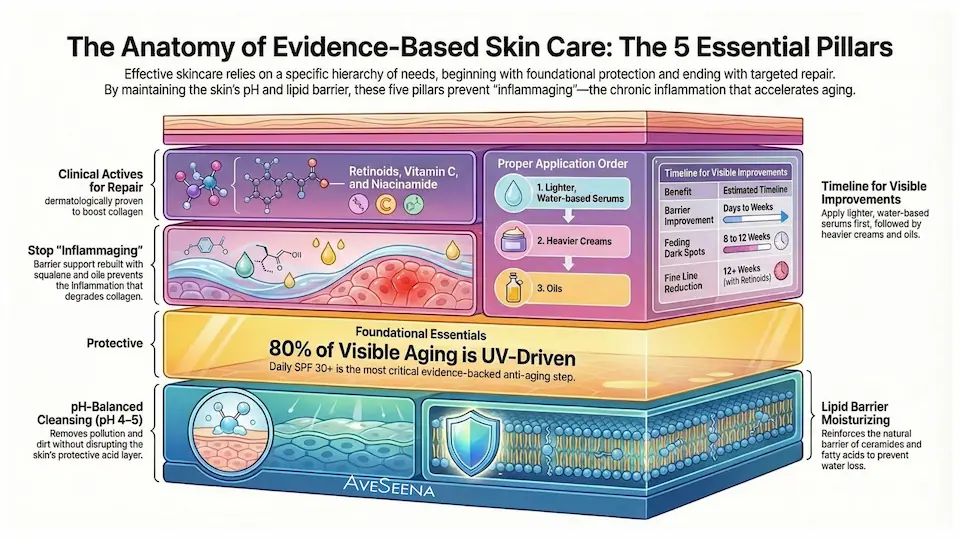
The 5 basics of skin care are cleansing, moisturizing, sun protection, targeted treatment, and skin barrier support. These five steps are the foundation of every effective skin care routine. Skin type, age, and budget do not matter. These basics do.
I have spent years studying the biology of skin aging. One thing is consistently clear. You do not need a 12-step routine. You need to get the fundamentals right and stay consistent.
Basic 1: Cleansing
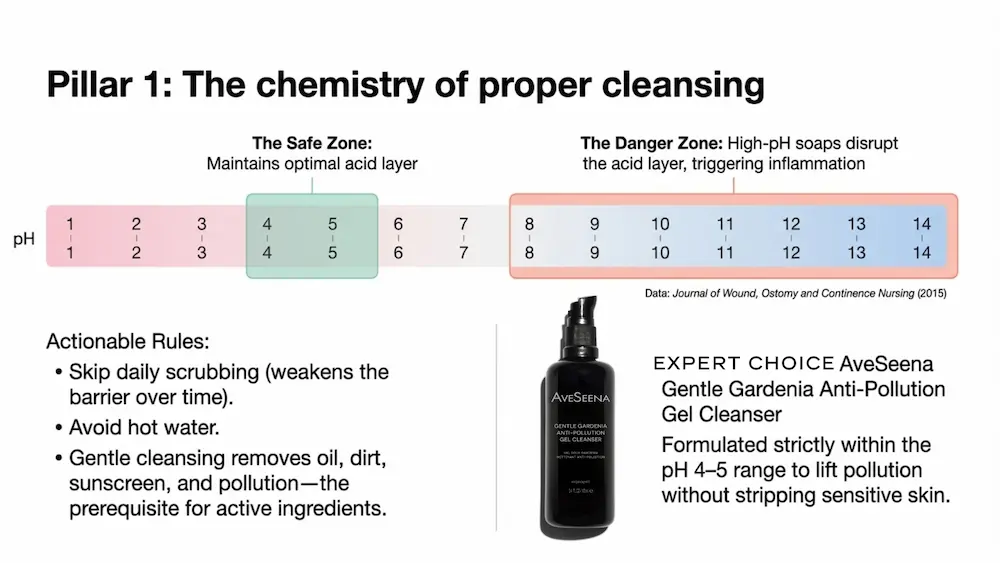
Cleansing removes oil, dirt, sunscreen, and pollution from the skin. Without it, no other product in your routine works properly.
The science is clear. Use a cleanser with a pH of 4–5. Research from the Journal of Wound, Ostomy and Continence Nursing (2015) found that high-pH soaps disrupt the skin’s acid layer. A damaged acid layer leads to inflammation.
Use a gentle cleanser morning and night. Avoid hot water. Skip daily scrubbing — it weakens the skin barrier over time.
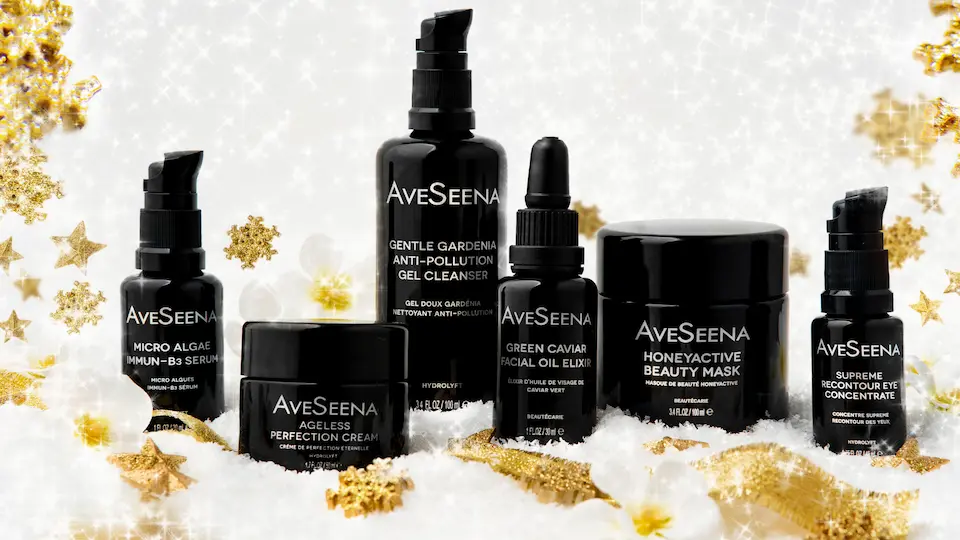
Try it: The Gentle Gardenia Anti-Pollution Gel Cleanser is pH-balanced. It removes pollution without stripping the skin. It works for all skin types, including sensitive.
Basic 2: Moisturizing
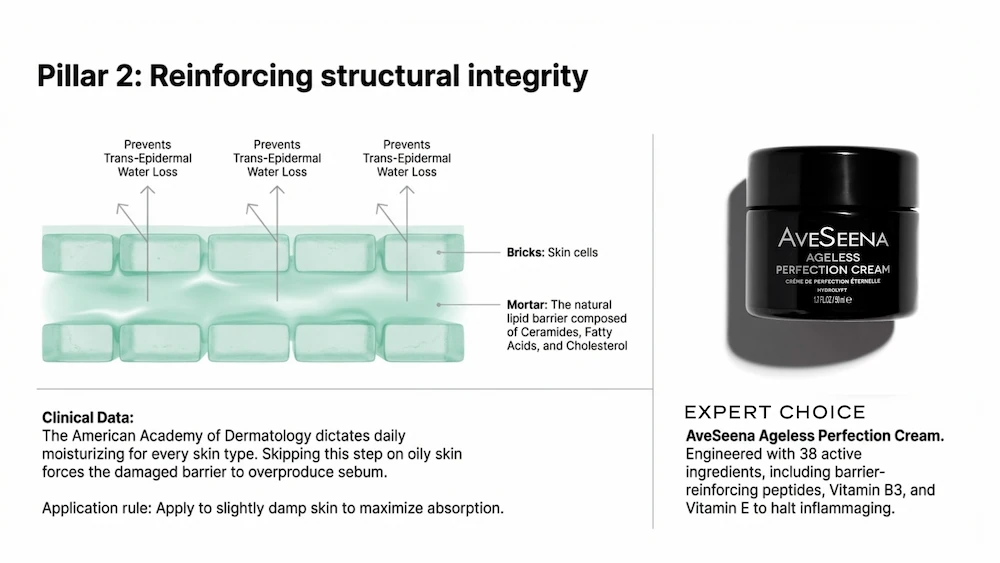
Moisturizing is not just about adding water. It supports the skin’s ability to hold water. The skin has a natural lipid barrier. This barrier is made of ceramides, fatty acids, and cholesterol. A good moisturizer reinforces this barrier and reduces water loss.
The American Academy of Dermatology recommends daily moisturizing for every skin type — including oily skin.
One tip: apply moisturizer on slightly damp skin. Absorption is better right after cleansing.
Try it: The Ageless Perfection Cream contains 38 active ingredients. These include peptides, Vitamin B3, and Vitamin E. Together, they reinforce the skin barrier and target visible signs of inflammaging — the slow inflammation that speeds up aging.
Basic 3: Targeted Treatment
Once your barrier is protected — cleansing, moisture, SPF — you can treat specific skin concerns. These include dark spots, fine lines, acne, or uneven texture.
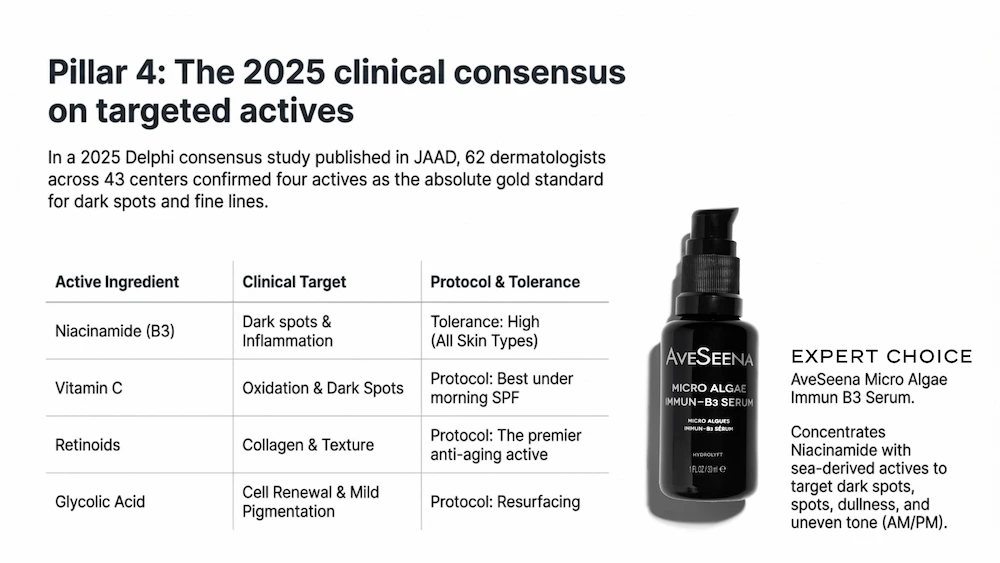
Active ingredients with strong clinical evidence include:
- Niacinamide (Vitamin B3) — reduces dark spots; anti-inflammatory; well tolerated by most skin types
- Vitamin C — antioxidant; fades dark spots; works best in the morning under SPF
- Retinoids — the best-studied anti-aging ingredient; boost collagen; improve texture
- Glycolic acid — speeds up skin cell renewal; improves texture and mild pigmentation
A 2025 Delphi consensus study in JAAD, completed by 62 dermatologists at 43 centers, confirmed all four of these as the most clinically supported actives for dark spots and fine lines.
Try it: The Micro Algae Immun B3 Serum concentrates niacinamide with sea-derived actives. It targets dark spots, dullness, and uneven tone. Use it morning and night before your cream.
Basic 4: Skin Barrier Support
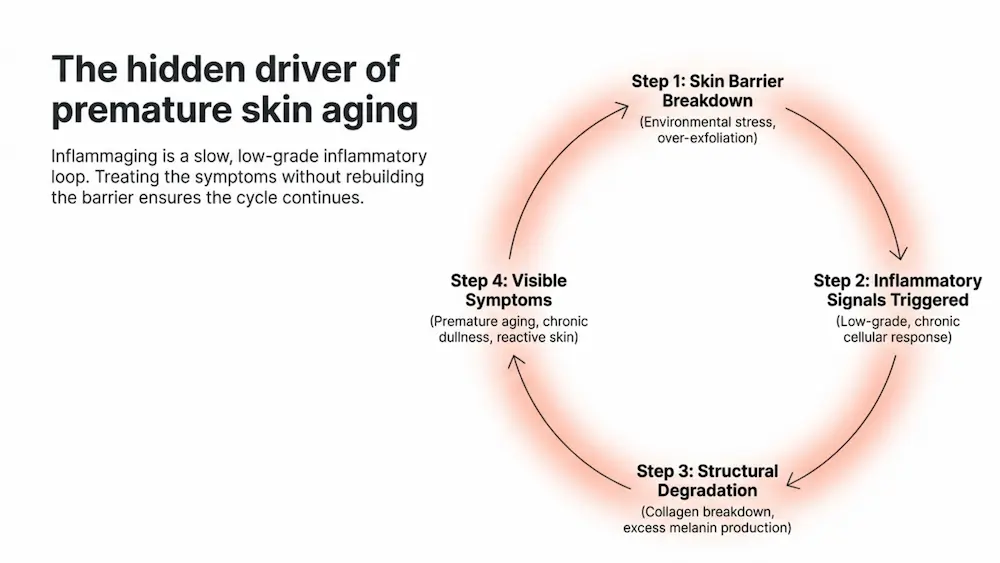
This is the step most skin care routines miss. The skin barrier is the skin’s first line of defense. When it breaks down, the skin triggers inflammatory signals.
This process is called signs of inflammaging — the slow, low-grade inflammation that degrades collagen and overproduces melanin. It drives premature aging, chronic dullness, and reactive skin.
Barrier support means using products that rebuild the skin’s lipid layer. These include ceramides, squalane, and fatty acids. It also means not over-exfoliating. And not layering too many actives at once.
Try it: The Green Caviar Facial Oil Elixir seals and nourishes the barrier. Apply 2–3 drops before your cream. You can also mix them in your palm.
Basic 5: Sun Protection
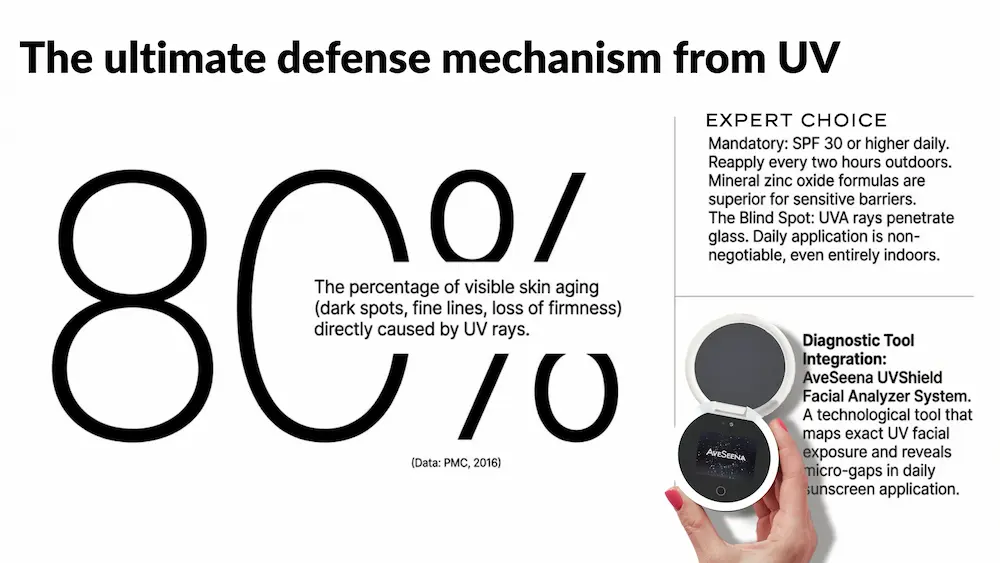
Daily SPF 30 or higher is the most evidence-backed anti-aging step available. UV rays cause about 80% of visible skin aging (PMC, 2016). This includes dark spots, fine lines, and loss of firmness.
The AAD recommends reapplying SPF every two hours outdoors. Mineral sunscreens with zinc oxide work well on sensitive skin.
One fact many people miss: UVA rays pass through glass. Apply SPF every morning, even when you stay indoors.
Tip: Track your UV exposure with the UVShield Facial Analyzer System. It shows where UV hits your skin. It also reveals missed spots when you apply sunscreen.
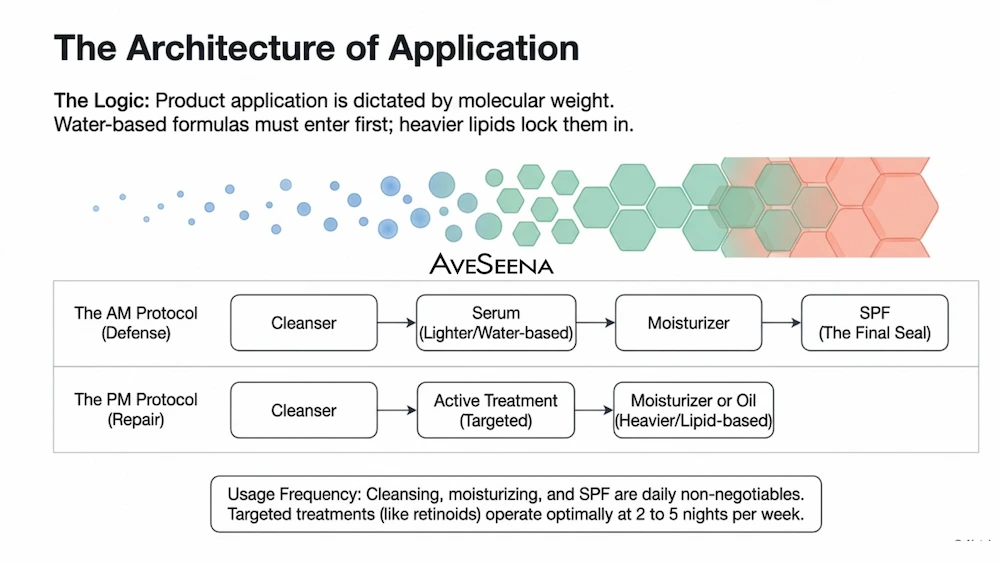
The Right Product Order
Morning: Cleanser → Serum → Moisturizer → SPF
Evening: Cleanser → Active treatment → Moisturizer or oil
Apply lighter, water-based products first. Heavier creams and oils go on last. They seal everything in.
FAQ: The 5 Basics of Skin Care
What are the 5 basics of skin care? Cleansing, moisturizing, sun protection, targeted treatment, and skin barrier support. In that order of priority.
Do I need all 5 steps every day? Cleansing, moisturizing, and SPF every morning are non-negotiable. Targeted actives like retinoids work well used 2 to 5 nights per week.
Does oily skin still need moisturizer? Yes. Oily skin can have a damaged barrier. Skipping moisturizer often makes the skin produce more oil. Use a lightweight, non-comedogenic formula.
What order do I apply products? Lighter serums first. Moisturizer second. Oil third if using one. SPF always last in the morning.
How long before I see results? Barrier improvement: days to weeks. Dark spot fading: 8–12 weeks. Fine lines with retinoids: 12+ weeks. Consistency matters most.
Try the full routine in travel size. The Natural Discovery Kit includes all 6 AveSeena core products.
The 5 Basics of Skin Care: Quick Facts
- The 5 basics: Cleansing, moisturizing, SPF, targeted treatment, barrier support
- Cleanser pH target: 4.0–5.0 (syndet recommended — Lichterfeld et al., 2015)
- SPF minimum: Broad-spectrum SPF 30+ daily (AAD recommendation)
- UV causes: ~80% of visible skin aging (PMC, 2016)
- Moisturizer pH target: 4.0–5.0 for optimal ceramide integration
- Top actives (JAAD 2025): Niacinamide, vitamin C, retinoids, glycolic acid — 62 dermatologists, 43 centers
- Retinoid frequency: Start 1–2 nights/week; build slowly to avoid barrier disruption
- Barrier driver of aging: Inflammaging — chronic low-grade inflammation degrading collagen and overproducing melanin
- Morning routine order: Cleanser → Serum → Moisturizer → SPF
- Evening routine order: Cleanser → Active treatment → Moisturizer or oil

Molecular Immunologist & Skincare Expert
As an Immunologist trained in Molecular Medicine and as an expert in skin care and cosmetic chemistry, Dr. Ebru Karpuzoglu has spent +20 years researching skin, impact of hormones on the immune system sharing her findings in international publications with her audience, and building an award-winning line of products. Trusted by scientists, doctors, editors, bloggers, celebrities and skincare lovers around the world, her deep real-world knowledge and research are invested in every drop of AveSeena.
Disclaimer: The content on this page is for educational and informational purposes only. It is not intended as medical advice and does not replace consultation with a qualified healthcare provider, dermatologist, or physician. While we present information to the best of our ability and reference peer-reviewed scientific literature, individual skin concerns, conditions, and responses to ingredients vary.