Ever wondered why those stubborn dark spots keep appearing on your nose no matter what you do? The answer lies deep within your pores—and the solution might surprise you.
What’s Really Happening Inside Your Pores?
You’ve probably been told blackheads are caused by dirt. You’ve scrubbed, you’ve squeezed, you’ve tried every hack on social media. And yet, they persist.
Here’s the truth that changes everything: blackheads aren’t dirt at all.
When blackheads are examined under a microscope, they find a mixture of two key substances—sebum (your skin’s natural oil) and dead skin cells. These elements combine inside your hair follicles to form what scientists call an “open comedone.” The pathogenesis of acne vulgaris is closely linked to androgen-induced sebaceous gland enlargement, excessive sebum production, abnormal keratinization of the follicular duct, and microbial colonization [1].
But what about that dark color? That distinctive black appearance results from a chemical process called oxidation. When the sebum and keratin mixture inside an open pore gets exposed to oxygen in the air, the oxidized lipids and melanin within the comedo contribute to its characteristic dark black color [2]. This is the same reaction that turns a sliced apple brown.
This explains why no amount of face scrubbing will prevent blackheads—you’re not dealing with external dirt, but an internal biological process.
Why Your Nose Is a Blackhead Magnet
Have you noticed that blackheads seem to love your nose, chin, and forehead more than anywhere else?
This isn’t coincidence. These areas collectively known as the T-zone contain significantly more sebaceous (oil) glands than the rest of your face. Research has shown that there are topographical differences in androgen receptor expression related to regional variations in facial sebum secretion, with the T-zone showing significantly higher activity compared to other facial areas [3].
The nose is particularly problematic because of its unique anatomy. Studies examining nasal skin found that the inferior or distal nasal skin contains increased numbers of sebaceous glands which are markedly larger in size with larger lumina [4]. This form of acne develops beneath the skin’s surface within the follicle, which is why blackheads can be so challenging to remove effectively.
The Four Factors Behind Every Blackhead
Understanding the root causes of blackheads is essential for treating them effectively. Research has identified four primary pathogenic factors that work together to create acne lesions [5]:

1. Excess Sebum Production
Hormonal fluctuations—particularly increases in androgen levels during puberty, menstruation, pregnancy, or periods of stress—can trigger your sebaceous glands to produce more oil than your skin actually needs. Androgens are well known for their effects on sebum excretion, and increased sebum excretion is a major factor in the pathophysiology of acne vulgaris [6].
2. Abnormal Keratinocyte Shedding
Your skin constantly produces new cells while shedding old ones. In healthy skin, dead cells flake away naturally. But in blackhead-prone skin, this process becomes disrupted—dead keratinocytes accumulate and stick together instead of shedding properly. An important feature in the etiology of acne is the presence of pilosebaceous ductal hypercornification [7].
3. Follicular Hyperkeratinization
The walls of hair follicles can thicken abnormally, particularly in people with excess oil production. Research shows that alterations in barrier structure molecules and connecting proteins have been observed in the epidermis of patients with acne, creating narrower channels that are more easily blocked [8].
4. Bacterial Colonization
While blackheads themselves aren’t infected, the bacterium Cutibacterium acnes (formerly known as Propionibacterium acnes) can proliferate in sebum-rich environments. The skin commensal has long been implicated in the pathogenesis of acne, and different phylotypes may induce distinct immune responses [9].
The Inflammaging Connection: Why Blackheads May Be Aging Your Skin
Here’s something most skincare articles won’t tell you: chronic blackheads may be contributing to premature skin aging through a process scientists call inflammaging.
Inflammaging refers to the chronic low-level inflammation associated with aging that is characterized by increased levels of circulating proinflammatory cytokines and a shift toward cellular senescence. This state is believed to drive many age-associated conditions [10]. When pores remain persistently clogged, they create an environment of ongoing micro-inflammation in the skin. This isn’t the dramatic redness you see with a pimple. It’s subtle, continuous, and cumulative.
Recent studies demonstrate that epidermal dysfunction leads to the development of chronic, low-grade systemic inflammation, termed ‘inflammaging,’ which is linked to the development of aging-associated disorders [11].
Signs that inflammaging may be affecting your skin include:
- Persistent dullness that doesn’t improve with hydration alone
- Loss of skin elasticity and firmness, particularly around areas prone to congestion
- Uneven skin tone and texture that worsens over time
- Fine lines appearing earlier than expected, especially around the nose and cheeks
- Skin that seems to heal more slowly from breakouts
- Increased sensitivity or reactivity in previously tolerant skin
The connection works both ways: inflammation drives blackhead formation, and blackheads perpetuate inflammation. Breaking this cycle requires addressing both the comedones themselves and the underlying inflammatory state of the skin.
Environmental Triggers You Might Be Overlooking
Beyond internal factors, your environment plays a significant role in blackhead formation:
Urban Living: Research indicates that UV radiation induces photochemical damage to the DNA in skin cells and triggers the production of reactive oxygen species, leading to oxidative stress. Excessive reactive oxygen species can oxidize lipids in the skin, disrupting barrier function [8].
Humidity: High moisture in the air can increase the rate at which pores become blocked. Environmental factors including temperature and humidity changes have been identified as triggers for skin barrier dysfunction and inflammation.
Comedogenic Products/Ingredients: Some skincare and makeup products contain ingredients that can clog pores. Always look for “non-comedogenic” or “oil-free” ingredients, particularly for products that stay on your skin.
The Best Approach to Clearing Blackheads
Now for the strategies that actually work. Based on clinical research and dermatological best practices, here’s how to effectively tackle blackheads:
Step 1: Cleanse Twice Daily
Dermatologists emphasize that maintaining clean pores starts with consistent cleansing. The recommendation is simple: use a gentle cleanser both morning and evening.
A clinical trial comparing different face-washing frequencies found that washing twice daily led to significant improvements in open comedones and total non-inflammatory lesions (P=.03). Interestingly, washing only once daily was associated with worsening of the condition, with significant increases in erythema, papules, and total inflammatory lesions, while washing four times daily showed no additional benefit over twice daily [12].
Key point: Use a gentle, pH-balanced cleanser. Harsh products can strip your skin’s natural barrier, triggering even more oil production as your skin tries to compensate.
Step 2: Exfoliate Weekly
“Using an exfoliating cleanser once a week will also help because it breaks down dead skin cells that clog pores and can give your skin a smoother appearance,” Dr. Ebru advises.
Weekly exfoliation addresses one of the fundamental causes of blackheads: the accumulation of dead skin cells. Clinical studies have shown that treatment with salicylic acid-based products produces significant improvement in acne lesions over 8 weeks of treatment [13]. A review of clinical studies confirmed that salicylic acid pads reduced the number of primary lesions and thereby the number and severity of all lesions associated with acne [14].
Frequency matters: Start with once weekly exfoliation. Using exfoliants more frequently—especially at higher concentrations—can cause irritation and compromise your skin barrier, potentially worsening the problem.
Step 3: Incorporate a Weekly Purifying Mask
While daily cleansing maintains your pores and weekly exfoliation prevents dead cell buildup, a targeted mask treatment provides deeper, more intensive cleansing that addresses accumulated congestion.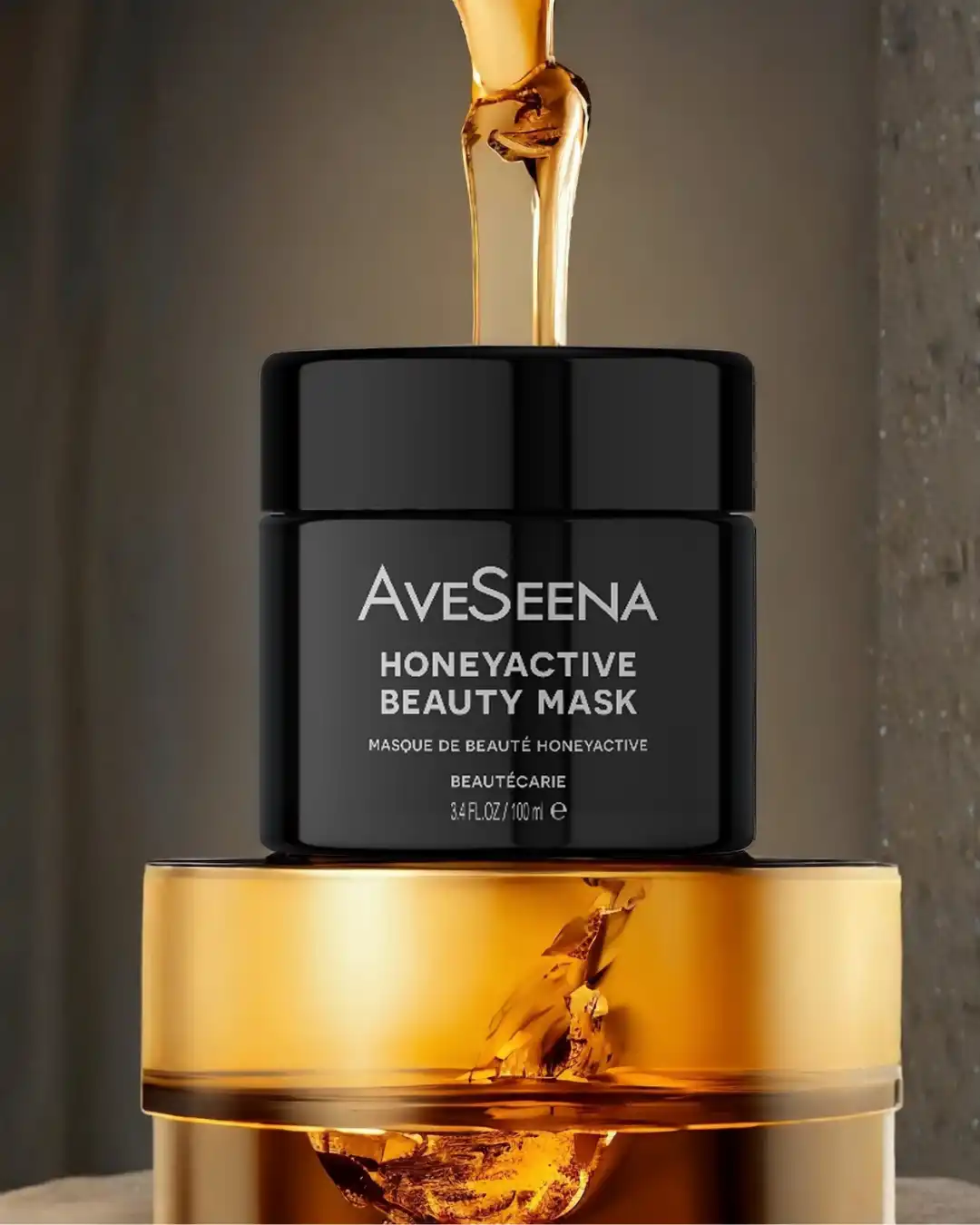
This is where ingredient synergy becomes important. The most effective purifying masks combine multiple mechanisms of action:
The Honeyactive Beauty Mask exemplifies this multi-action approach. It contains:
100% Pure Honey: Honey has been extensively studied for its antimicrobial and anti-inflammatory properties. A comprehensive review published in the Journal of Cosmetic Dermatology confirms that honey contains bioactive compounds and exhibits emollient, humectant, and soothing effects while keeping the skin juvenile and retarding wrinkle formation [15]. Research has demonstrated that honey can inhibit bacteria associated with acne, including Propionibacterium acnes [16].
Honey possesses antibacterial, anti-inflammatory, and healing properties that benefit wound healing and tissue regeneration, making it an effective ingredient for skin conditions [17]. A plethora of in vitro studies have revealed that honeys from all over the world have potent antimicrobial activity against skin relevant microbes [18].
Application tip: Use your purifying mask once weekly, ideally on a different day from your exfoliating treatment to avoid over-processing your skin.

What NOT to Do: Common Mistakes That Make Blackheads Worse
Understanding what to avoid is just as important as knowing what to do:
Don’t over-cleanse. While twice-daily cleansing is recommended, washing more frequently doesn’t provide additional benefit and may trigger increased oil production as your skin tries to compensate for lost moisture.
Don’t physically scrub aggressively. Harsh physical exfoliation can cause micro-tears in your skin and trigger inflammation, potentially worsening breakouts.
Don’t squeeze. As tempting as it is, squeezing blackheads can push bacteria and debris deeper into the pore, damage surrounding tissue, and lead to scarring. It can also spread bacteria to nearby follicles, causing new breakouts. Incorrectly selected treatment or improper handling can lead to the formation of atrophic scars [19].
Don’t expect overnight results. Clearing blackheads requires patience and consistency. The skin renewal cycle takes approximately four weeks, so give any new routine at least 4-6 weeks before assessing its effectiveness.
Frequently Asked Questions
Is it okay to squeeze out blackheads?
No. Dermatologists recommend avoiding squeezing out blackheads at all costs, as this can bring on more inflammation and lead to scarring. Squeezing can push the contents deeper into the skin or force debris into surrounding tissue. You may also introduce bacteria from your fingers into the pore, transforming a simple blackhead into an infected, inflamed pimple.
Why is my nose covered in blackheads?
Because the nose contains significantly more sebaceous glands with higher androgen receptor expression—more than the rest of the face—blackheads are more likely to form in this area. This form of acne sits underneath the skin of the nose within the hair follicle, which is why they can be difficult to remove.
Do blackheads go away naturally?
Though they’re stubborn, blackheads can eventually go away on their own, though this may take months or years. Keeping your skin exfoliated is a helpful way to speed up the process. A consistent skincare routine including regular cleansing, weekly exfoliation, and periodic deep-cleansing masks can significantly accelerate the clearing process.
What causes the black color in blackheads?
The black color is not dirt. It results from oxidation—when the sebum and dead skin cell mixture inside an open pore is exposed to air, the oxidized lipids and melanin undergo a chemical reaction that turns them dark.
How often should I wash my face to prevent blackheads?
Dermatologists recommend washing your face twice daily with a gentle cleanser—morning and evening. You should also cleanse after sweating to prevent oil from building up. Clinical studies show that twice-daily cleansing improves blackheads, while washing only once daily may actually worsen the condition.
What is the connection between blackheads and skin aging (inflammaging)?
Chronic blackheads contribute to a process called inflammaging—low-grade, continuous inflammation that accelerates skin aging. Persistently clogged pores create ongoing micro-inflammation, leading to dullness, loss of elasticity, uneven texture, and premature fine lines. Treating blackheads isn’t just cosmetic—it supports long-term skin health and resilience against aging.
Is salicylic acid effective for treating blackheads?
Yes. Clinical studies consistently show that salicylic acid significantly reduces blackheads. It is oil-soluble, allowing it to penetrate into pores to dissolve the sebum and dead skin cells that cause blockages. A prospective clinical trial demonstrated that a salicylic acid-containing gel effectively reduces acne lesions and regulates sebum production over 21 days [20].
Does honey help with blackheads and acne?
Research supports honey’s benefits for acne-prone skin. Honey has antimicrobial properties that can inhibit acne-causing bacteria like C. acnes, anti-inflammatory effects that soothe irritation, and acts as a natural humectant that hydrates without clogging pores. These properties make it an effective ingredient in purifying masks for blackhead-prone skin.
The Bottom Line
Blackheads aren’t a sign of poor hygiene—they’re a common skin concern that results from a combination of excess sebum, abnormal cell shedding, and oxidation. Understanding this science is the first step toward effective treatment.
The most successful approach combines:
- Consistent twice-daily cleansing to prevent oil buildup
- Weekly exfoliation to clear dead skin cells before they can clog pores
- Targeted mask treatments that deliver deep-cleansing and pore-purifying ingredients like honey and salicylic acid
By addressing blackheads proactively, you’re also protecting your skin from the cumulative effects of inflammaging—supporting not just clearer pores today, but healthier, more resilient skin for years to come.
With patience and the right routine, clearer pores are absolutely achievable.
References
[1] Clayton RW, et al. Homeostasis of the sebaceous gland and mechanisms of acne pathogenesis. Br J Dermatol. 2019;181(4):677-690. PMID: 31056753
[2] Acne Vulgaris. StatPearls [Internet]. 2023. NBK459173
[3] Regional difference in sebum production by androgen susceptibility in human facial skin. J Invest Dermatol. 2014. PMID: 24289322
[4] The quantification and distribution of nasal sebaceous glands using image analysis. Plast Reconstr Surg. 1996. PMID: 8791568
[5] Ju Q, et al. From pathogenesis of acne vulgaris to anti-acne agents. Arch Dermatol Res. 2019. PMID: 30859308
[6] Zouboulis CC. Acne and sebaceous gland function. Clin Dermatol. 2004;22(5):360-366. PMID: 15556719
[7] Cunliffe WJ, et al. Comedone formation: etiology, clinical presentation, and treatment. Clin Dermatol. 2004;22(5):367-374. PMID: 15556720
[8] Skin Barrier Dysfunction in Acne Vulgaris: Pathogenesis and Therapeutic Approaches. PMC. 2024. PMC11650898
[9] Platsidaki E, Dessinioti C. Recent advances in understanding Propionibacterium acnes (Cutibacterium acnes) in acne. F1000Res. 2018. PMID: 30613388
[10] Pilkington SM, et al. Inflammaging and the Skin. J Invest Dermatol. 2021;141(4):1087-1095. PMID: 33358020
[11] Man MQ, et al. Aging-associated alterations in epidermal function and their clinical significance. Aging (Albany NY). 2020. PMID: 32217811
[12] Choi YS, et al. A single-blinded, randomized, controlled clinical trial evaluating the effect of face washing on acne vulgaris. Pediatr Dermatol. 2006;23(5):421-427. PMID: 17014635
[13] Effectiveness of a combination of salicylic acid-based products for the treatment of mild comedonal-papular acne. J Cosmet Dermatol. 2020. PMID: 33070577
[14] Zander E, Weisman S. Treatment of acne vulgaris with salicylic acid pads. Clin Ther. 1992;14(2):247-253. PMID: 1535287
[15] Burlando B, Cornara L. Honey in dermatology and skin care: a review. J Cosmet Dermatol. 2013;12(4):306-313. PMID: 24305429
[16] Eady EA, et al. A honey trap for the treatment of acne: manipulating the follicular microenvironment to control Propionibacterium acnes. Biomed Res Int. 2013. PMID: 23762853
[17] Jodidio M, Schwartz RA. Honey therapies for dermatological disorders: more than just a sweet elixir. Int J Dermatol. 2024. PMID: 38013499
[18] McLoone P, et al. Honey: A realistic antimicrobial for disorders of the skin. J Microbiol Immunol Infect. 2016;49(2):161-167. PMID: 25732699
[19] Chilicka K, et al. Methods for the Improvement of Acne Scars Used in Dermatology and Cosmetology: A Review. J Clin Med. 2022. PMID: 35628870
[20] Liu Y, et al. Clinical Efficacy of a Salicylic Acid-Containing Gel on Acne Management and Skin Barrier Function: A 21-Day Prospective Study. J Cosmet Dermatol. 2025. PMID: 40682377
Disclaimer: This article is for educational purposes only and does not constitute medical advice.
Molecular Immunologist & Skincare Expert
As an Immunologist trained in Molecular Medicine and as an expert in skin care and cosmetic chemistry, Dr. Ebru Karpuzoglu has spent +20 years researching skin, impact of hormones on the immune system sharing her findings in international publications with her audience, and building an award-winning line of products. Trusted by scientists, doctors, editors, bloggers, celebrities and skincare lovers around the world, her deep real-world knowledge and research are invested in every drop of AveSeena.