The Quiet Molecules That Decide How Your Skin Ages
Everyone is talking about polyphenols. Here is what they actually do — and the seven foods that deliver the most.
Anti-inflammatory diets are everywhere right now — and for good reason. But you cannot build one without understanding polyphenols, the plant compounds quietly doing the heaviest lifting on your plate.
Polyphenols are naturally occurring compounds found in fruits, vegetables, tea, coffee, herbs, spices, nuts, seeds, and cocoa. They are powerful antioxidants, yes — but that is only half the story. What makes them extraordinary is their ability to calm the kind of inflammation you cannot see or feel. The kind that ages your skin from within.
We call it inflammaging.
Why Inflammaging Matters More Than You Think
Here is the simplest way to understand it. Your body has an internal alarm system for dealing with threats — UV damage, pollution, stress. When that alarm goes off, your cells produce inflammatory signals that tell your body to respond. Normally, the alarm shuts off when the threat is gone.
But with inflammaging, the alarm never fully turns off. It just keeps humming in the background, low and constant, for years. And that low-grade inflammation slowly breaks down collagen and elastin — the proteins that give your skin its firmness, bounce, and glow.
Fine lines. Lost elasticity. Dull texture. Thinning skin. That is not just aging. That is inflammaging — and what you eat every day either feeds it or fights it.
Polyphenols do not just protect your skin. They interrupt the process that ages it.
How Polyphenols Fight Back
Polyphenols work on multiple levels at once. They neutralize the free radicals that damage your cells. They calm inflammatory signals before they can trigger collagen breakdown. They suppress the enzymes that actively degrade your skin's structure. And some even stimulate new collagen production.
Research has shown that polyphenols like curcumin (from turmeric), quercetin (from apples), EGCG (from green tea), and resveratrol (from grapes) can directly block the inflammatory pathways responsible for skin aging. A 2024 review found that polyphenols protect skin through antioxidant activity, anti-inflammatory action, collagen stimulation, and even direct UV protection — all at the same time.
A 2025 study found that olive-derived polyphenols restored collagen balance in UV-damaged skin cells. And a meta-analysis of 40 clinical trials showed that people who supplemented with polyphenols had measurably better skin elasticity and higher UV protection thresholds than those who did not.
The best part? You do not need a supplement. You need a plate.
The 7 Best Sources of Polyphenols
1. Berries
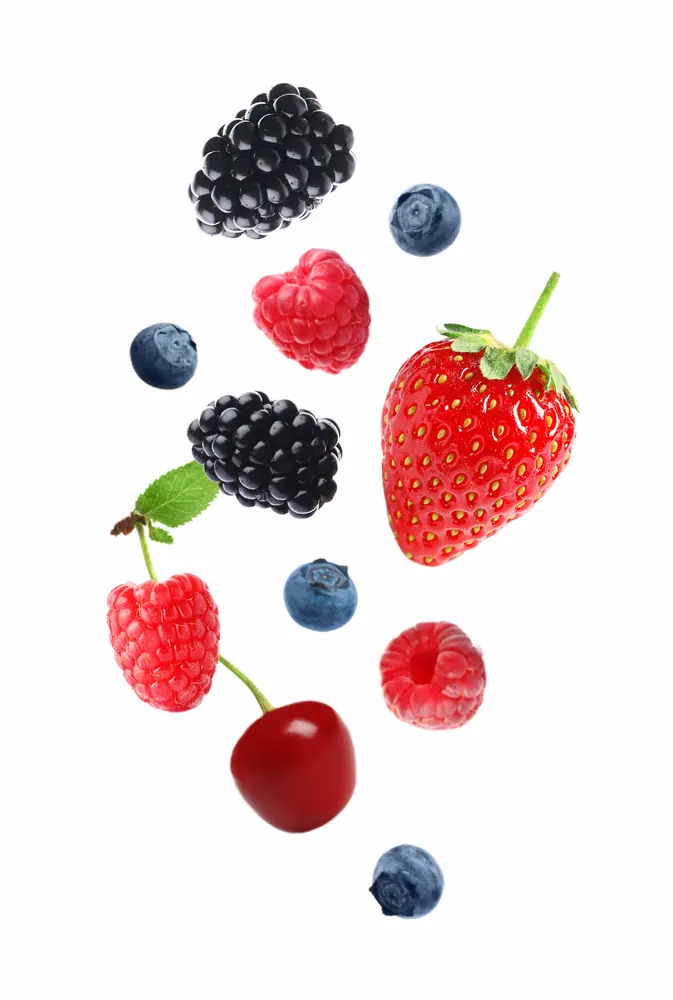
Blueberries, blackberries, raspberries, strawberries — berries are one of the richest polyphenol sources available. Blueberries alone deliver around 560 mg per serving. Their deep colors come from anthocyanins, which are among the most potent anti-inflammatory compounds found in food. Toss them into Greek yogurt, blend them into smoothies, pile them on oatmeal, mix them into a salad, or eat them straight. For a recipe that puts this to work, try our Anti-Inflammatory Berry Yogurt Bowl.
2. Dark Chocolate
Finally, permission. Dark chocolate with 50% to 85% cocoa contains 460 to 610 mg of polyphenols — mostly flavanols, which are the only polyphenol subclass shown in clinical trials to raise your skin's natural UV defense from the inside. Add cocoa powder to smoothies, baked goods, or oatmeal — or simply enjoy an ounce of good dark chocolate.
3. Coffee
Depending on how you brew it, a single cup of coffee delivers 200 to 500 mg of polyphenols. That makes coffee the single largest source of dietary polyphenols in the Western diet. Enjoy it however you like — just watch the added sugar.
4. Artichokes
Among vegetables, artichokes are one of the richest polyphenol sources — about 260 mg per 100 grams. If you do not like cooking them fresh, buy them frozen, canned, or jarred. Steam them, roast them, or add jarred hearts to salads and grain bowls.
5. Apples
A whole apple delivers about 136 mg of polyphenols per 100 grams. The key compound is quercetin — one of the most studied anti-inflammatory polyphenols — and it is concentrated in the skin. Eat them whole, sliced, cooked, or in baked goods. Just keep the skin on.
6. Nuts and Seeds
For every 100 grams of nuts or seeds, you get about 300 to 500 mg of polyphenols — depending on the type. Walnuts are especially rich. Eat a handful (about a quarter cup) with yogurt, oatmeal, salad, or a grain bowl. You can even grind them into granola.
7. Herbs and Spices
The most concentrated polyphenol sources on the planet. Turmeric, cloves, oregano, rosemary, thyme — these can deliver thousands of milligrams per 100 grams. Turmeric's active compound, curcumin, is the single most studied anti-inflammatory polyphenol in the scientific literature. Use herbs and spices in every meal. They add flavor and polyphenol content at the same time.
Feed Your Glow
The best strategy is simple: eat a wide variety of colorful plant foods every day. A practical goal is 30 different plant foods per week — fruits, vegetables, herbs, spices, nuts, seeds, legumes, whole grains, tea, and cocoa all count. The deeper the color and the more bitter the flavor, the more polyphenols you are likely getting.
And what you put on your skin matters too. Science-backed formulations like the Immun Serum and Ageless Perfection Cream work from the outside to address the same inflammatory pathways that polyphenols target from within. Inside out and outside in — that is how you fight inflammaging on both fronts.
The visible signs of inflammaging do not appear overnight. And they do not reverse overnight. But every meal is a quiet decision about whether you feed the fire or put it out.
Put it out.
Feed your skin from the inside out — and protect it from the outside in.
Learn About Inflammaging Try the Berry Bowl Shop AveSeenaYour Questions, Answered
What exactly are polyphenols?
Polyphenols are a large group of naturally occurring compounds found in plants and plant-based foods. Plants produce them as a defense mechanism against environmental stress — and when we eat them, they offer protective benefits in our bodies too. There are thousands of types, but the most well-known include flavonoids (in berries, tea, cocoa), phenolic acids (in coffee, apples), and lignans (in flaxseed, whole grains). They are often responsible for the vibrant colors, bitter flavors, and protective properties of plant foods.
What are the benefits?
Research suggests that diets rich in polyphenols may help protect against inflammation, heart disease, certain cancers, type 2 diabetes, and neurodegenerative conditions. They are also linked to improved skin health, gut health, and immune function. For skin specifically, polyphenols have been shown to neutralize free radicals, protect collagen from breakdown, stimulate new collagen production, and provide a degree of natural UV protection.
How many do you need per day?
There is no official recommended daily intake for polyphenols. But if you are eating the recommended daily amount of fruits and vegetables — at least two to four cups of vegetables and two cups of fruits — you are already getting a substantial amount. The real goal is variety. A simple target: aim for 30 different plant foods per week.
Are there any risks?
Polyphenol-rich foods are generally safe. A few things to watch: polyphenols in grapefruit, green tea extracts, or concentrated supplements may interact with certain medications. Very high tea or coffee intake with meals may slightly reduce iron absorption. And large amounts of polyphenol-rich foods at once may cause bloating for some people.
Should you take a supplement?
Whole foods are always the better choice. They deliver polyphenols alongside fiber, vitamins, minerals, and hundreds of complementary compounds that work together. When you isolate polyphenols in a pill, you lose that synergy. High-dose supplements can also cause digestive issues or interact with medications. If you are considering one, talk to your healthcare provider first.
References
1. Singh S, Aggarwal BB. Activation of transcription factor NF-kappa B is suppressed by curcumin (diferuloylmethane). J Biol Chem. 1995;270(42):24995-25000. PubMed
2. Jobin C, et al. Curcumin blocks cytokine-mediated NF-κB activation and proinflammatory gene expression by inhibiting inhibitory factor I-κB kinase activity. J Immunol. 1999;163(6):3474-83. PubMed
3. Ruiz PA, Haller D. Functional diversity of flavonoids in the inhibition of the proinflammatory NF-κB, IRF, and Akt signaling pathways. J Nutr Biochem. 2006;17(3):154-69. PubMed
4. Habtemariam S. Plant polyphenols as inhibitors of NF-κB induced cytokine production. Front Mol Neurosci. 2015;8:24. PubMed
5. Khan H, et al. Polyphenols Targeting NF-κB Pathway in Neurological Disorders. Int J Biol Sci. 2024;20(4):1332-1355. PubMed
6. He Y, et al. Pharmacological Effects of Polyphenol Phytochemicals on Intestinal Inflammation via Targeting TLR4/NF-κB Signaling Pathway. Int J Mol Sci. 2022;23(7):3422. PubMed
7. Dwevedi D, Srivastava A. Molecular Mechanisms of Polyphenols in Management of Skin Aging. Curr Aging Sci. 2024;17(3). PubMed
8. Shin J, et al. The Molecular Mechanism of Polyphenols with Anti-Aging Activity in Aged Human Dermal Fibroblasts. Molecules. 2022;27(14):4351. PubMed
9. Liu Y, et al. Combined protection against UVB-induced photoaging by oleuropein, hydroxytyrosol, and verbascoside. Sci Rep. 2025;15:39742. Nature
10. Marzocchella L, et al. Cytoprotective Polyphenols Against Chronological Skin Aging and Cutaneous Photodamage. Curr Pharm Des. 2017. PubMed
11. Cho SY, et al. Quercetin suppresses proinflammatory cytokines production through MAP kinases and NF-κB pathway in LPS-stimulated macrophage. Mol Cell Biochem. 2003;243(1-2):153-60. PubMed

Molecular Immunologist & Skincare Expert
As an Immunologist trained in Molecular Medicine and as an expert in skin care and cosmetic chemistry, Dr. Ebru Karpuzoglu has spent +20 years researching skin, impact of hormones on the immune system sharing her findings in international publications with her audience, and building an award-winning line of products. Trusted by scientists, doctors, editors, bloggers, celebrities and skincare lovers around the world, her deep real-world knowledge and research are invested in every drop of AveSeena.
Disclaimer: The content on this page is for educational and informational purposes only. It is not intended as medical advice and does not replace consultation with a qualified healthcare provider, dermatologist, or physician. While we present information to the best of our ability and reference peer-reviewed scientific literature, individual skin concerns, conditions, and responses to ingredients vary.