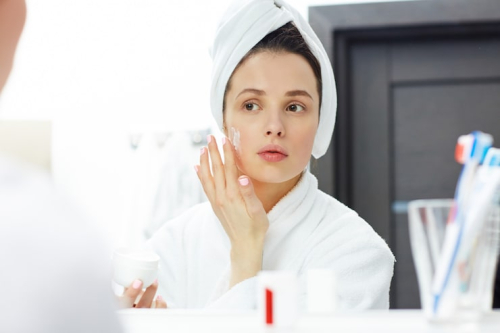
Sensitive skin has moved from being a niche dermatological concern to a defining force shaping the direction of modern luxury beauty. Across major skincare hubs such as New York, Los Angeles, London, Paris, Toronto, and Berlin, dermatologists and formulators are observing a clear shift: consumers are no longer satisfied with products that simply deliver cosmetic results they want solutions that are scientifically grounded, non-irritating, and designed for long-term skin resilience. This shift is driving a new era of sensitive skin skincare innovation, where high-end brands are reformulating entire product lines around barrier health, ingredient transparency, and inflammation control. As a result, the concept of luxury skincare is evolving from indulgence alone to a blend of performance, safety, and dermatological credibility.
What makes this transformation particularly significant is that it is not being driven solely by brands, but by increasingly informed consumers who are actively researching ingredient safety, reading clinical evaluations, and comparing product efficacy before purchase. In cities like San Francisco, Chicago, Boston, and Amsterdam, dermatology clinics report rising consultations related to irritation, redness, and reactive skin conditions, reinforcing the need for formulations that prioritize tolerance without compromising results. Within this context, high-end skincare for sensitive skin has become one of the most influential growth categories in the global beauty industry.
Sensitive, aging skin often shows the effects of hidden inflammation: dullness, redness, reactivity, and a weakened barrier. Daily stress, pollution, and harsh products can intensify irritation, making skin feel fragile and look older faster. Take Skin Quiz to find the right support for your skin. AveSeena’s immunology-driven formulas, developed by Dr. Ebru Karpuzoglu with 30 years of expertise, help calm visible signs of inflammation, strengthen the skin barrier, and restore a healthier, more resilient glow. Shop Now!
The Science Behind Sensitive Skin and Barrier Disruption
At the core of sensitive skin lies a compromised skin barrier and heightened reactivity to environmental stressors. Research highlights that sensitive skin is often associated with impaired barrier function, increased inflammatory responses, and greater susceptibility to irritants such as pollution, fragrance, and harsh surfactants. These biological mechanisms are not merely cosmetic concerns they directly influence how skin responds to everyday products and environmental exposure.
Impaired skin barrier function plays a central role in this condition, leading to increased transepidermal water loss and heightened sensitivity. As dermatological understanding deepens in institutions across the United States, particularly in research centers in Boston, Zurich, and Stockholm, skincare innovation is increasingly focused on strengthening barrier integrity through targeted ingredients such as ceramides, antioxidants, and anti-inflammatory compounds.
The American Academy of Dermatology also notes that sensitive skin can be triggered by environmental stressors, diet, and underlying dermatologic conditions, reinforcing the complexity of this condition in both clinical and everyday contexts. As a result, brands developing dermatologist-backed luxury skincare are shifting away from aggressive actives and toward formulations that support skin resilience over time rather than delivering short-term effects.
Consumer Expectations Reshaping Luxury Skincare
Across major beauty markets such as New York, Los Angeles, Miami, London, and Paris, consumer behavior is undergoing a significant transformation. Today’s skincare buyer is highly informed, ingredient-conscious, and increasingly skeptical of exaggerated product claims. This shift is particularly visible among consumers with reactive or aging skin, who are prioritizing gentleness and clinical validation over marketing narratives.
Consumer behavior in skincare shows a growing preference for products that combine efficacy with minimal irritation potential. Shoppers are actively avoiding formulations that include unnecessary fragrance or harsh additives, instead seeking transparent ingredient lists and dermatologist-tested credentials. This has pushed luxury brands in cities like Milan, New York, and Tokyo to rethink not only their formulations but also their entire communication strategies.
In practice, this means that premium skincare companies are no longer competing solely on sensory experience or packaging aesthetics. Instead, they are competing on trust. Consumers in cities such as San Francisco, Chicago, and Berlin are increasingly evaluating brands based on whether they demonstrate a credible understanding of skin biology and long-term skin health. This has elevated the importance of clean formulation design and positioned clean beauty for reactive skin as a core expectation rather than a niche preference.
How High-End Brands Are Innovating Formulations
The rise of sensitive skin concerns has triggered a wave of innovation across the luxury skincare sector. Brands are investing heavily in research-driven formulation strategies that reduce irritation potential while maintaining visible performance results. This includes the development of minimal-ingredient systems, microbiome-friendly formulations, and adaptive skincare technologies that respond to changes in skin condition.
Innovation in sensitive skin products is increasingly focused on balancing efficacy with tolerance. In beauty laboratories across Europe, particularly in France, Switzerland, and Germany, formulators are prioritizing ingredient synergy and delivery systems that enhance absorption without disrupting the skin barrier. This approach reflects a broader industry shift toward precision skincare rather than one-size-fits-all solutions.
At the same time, companies operating in competitive luxury markets such as California, New York, and London are differentiating themselves by investing in technologies that support real-time skin responsiveness. These advancements are redefining expectations for barrier repair skincare innovations, allowing brands to position themselves not only as cosmetic providers but also as contributors to skin health management.
Ingredient Intelligence and Barrier Repair Strategies
One of the most important developments in modern skincare science is the renewed focus on ingredient intelligence understanding how specific compounds interact with compromised or sensitive skin. Clinical research has consistently highlighted the benefits of ceramides, antioxidants, and anti-inflammatory ingredients in improving skin tolerance and resilience over time.
Skin barrier repair research demonstrates that restoring lipid balance and reducing inflammation are key strategies in improving skin comfort and reducing sensitivity episodes. This has led luxury skincare brands in markets such as New York, Paris, and Toronto to reformulate products around barrier-supportive ingredients rather than aggressive resurfacing agents.
In parallel, dermatologists across the United States are increasingly recommending simplified routines that minimize exposure to potential irritants. This aligns with a broader shift toward anti-inflammatory skincare ingredients and reinforces the idea that less can often be more when it comes to sensitive skin care. For brands operating in the premium segment, this means balancing scientific rigor with sensory elegance, ensuring that products remain both effective and enjoyable to use.
Skin Microbiome and Adaptive Skincare Trends
Another major innovation shaping the future of luxury skincare is the growing focus on the skin microbiome. This ecosystem of microorganisms plays a critical role in maintaining skin balance, and disruption to this system is increasingly linked to sensitivity, irritation, and inflammation. As a result, brands are exploring microbiome-friendly formulations that support rather than disrupt this delicate environment.
Microbiome-focused skincare trends highlight the industry’s move toward adaptive formulations that respond to changing environmental and biological conditions. In cities such as Seattle, Amsterdam, and Copenhagen, where climate variability can significantly impact skin health, these innovations are particularly relevant. Adaptive skincare represents a shift from static routines to dynamic systems designed to evolve with the skin.
This trend is also influencing the development of skin microbiome skincare solutions in the luxury segment. High-end brands are increasingly incorporating prebiotic and postbiotic ingredients to help maintain microbial balance, supporting both immediate comfort and long-term skin health. The result is a more holistic approach to skincare that integrates dermatology, microbiology, and cosmetic science.
The Future of Premium Skincare in a Sensitive Skin Era
The premium skincare industry is undergoing a structural transformation as sensitive skin becomes a central design consideration rather than an afterthought. Brands are no longer developing “special” products for sensitive users they are increasingly designing entire collections around skin tolerance, barrier health, and inflammatory response.
Premium skincare innovation trends indicate that consumers now expect luxury products to deliver both sensory sophistication and clinically informed benefits. In markets such as Beverly Hills, Manhattan, Miami, and London, this expectation is particularly pronounced, where consumers often combine aesthetic preferences with high awareness of dermatological science.
This evolution is creating new opportunities for brands that can bridge the gap between luxury experience and scientific credibility. Companies like Avesena are operating within this intersection, where formulation integrity, ingredient transparency, and skin compatibility define brand value as much as packaging or prestige. As consumer expectations continue to evolve across the United States, sensitive skin is no longer a limitation it is a catalyst for innovation.
Ultimately, the future of skincare is being shaped by a more informed, more cautious, and more discerning consumer base. Their demand for safer, smarter, and more effective products is pushing the industry toward a higher standard one where luxury is defined not only by results, but by respect for the skin itself.
Frequently Asked Questions
Why is sensitive skin becoming such a major focus in luxury skincare?
Sensitive skin has shifted from a niche concern to a primary driver of innovation in the high-end beauty industry. Consumers are increasingly informed about ingredient safety and skin biology, pushing luxury brands to prioritize barrier health, inflammation control, and clinical credibility over purely cosmetic results. Dermatology clinics across major cities report rising consultations for reactive skin conditions, signaling a real and growing need for gentler, science-backed formulations.
What ingredients are most effective for sensitive skin barrier repair?
Clinical research consistently points to ceramides, antioxidants, and anti-inflammatory compounds as the most effective ingredients for restoring sensitive skin’s barrier function. These ingredients work by replenishing lipid balance, reducing transepidermal water loss, and calming inflammatory responses. Dermatologists increasingly recommend simplified routines built around these barrier-supportive actives, avoiding unnecessary fragrance, harsh surfactants, and aggressive resurfacing agents that can worsen reactivity.
How is the skin microbiome connected to sensitive skin, and what does microbiome-friendly skincare mean?
The skin microbiome the ecosystem of microorganisms living on the skin’s surface plays a critical role in maintaining skin balance, and disruption to it is closely linked to sensitivity, irritation, and inflammation. Microbiome-friendly skincare refers to formulations designed to support rather than disturb this delicate environment, often incorporating prebiotic and postbiotic ingredients. Luxury brands are increasingly adopting this approach as part of a more holistic strategy that combines dermatology, microbiology, and cosmetic science for long-term skin resilience.
Disclaimer: The above helpful resources content contains personal opinions and experiences. The information provided is for general knowledge and does not constitute professional advice.
You may also be interested in: Shop Top skincare products for sensitive skin – AveSeena
Sensitive, aging skin often shows the effects of hidden inflammation: dullness, redness, reactivity, and a weakened barrier. Daily stress, pollution, and harsh products can intensify irritation, making skin feel fragile and look older faster. Take Skin Quiz to find the right support for your skin. AveSeena’s immunology-driven formulas, developed by Dr. Ebru Karpuzoglu with 30 years of expertise, help calm visible signs of inflammation, strengthen the skin barrier, and restore a healthier, more resilient glow. Shop Now!
Powered by flareAI.co