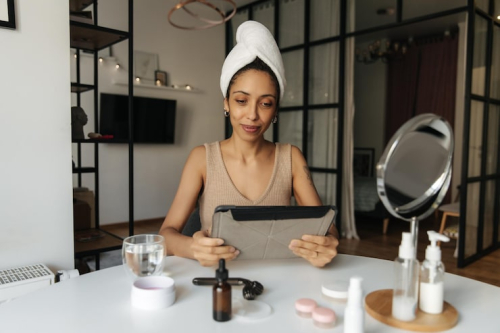
In a crowded beauty market, consumers often turn to ingredient lists and celebrity endorsements to choose skincare. Yet reliability comes from a different foundation: ingredients that have been tested in clinical settings and shown to deliver consistent results for specific skin concerns. Evidence-based skincare focuses on science-backed approaches that prioritize measurable outcomes over trends, helping users make informed choices about hydration, texture, sensitivity, and long-term health.
Sensitive, aging skin often shows the effects of hidden inflammation: dullness, redness, reactivity, and a weakened barrier. Daily stress, pollution, and harsh products can intensify irritation, making skin feel fragile and look older faster. Take Skin Quiz to find the right support for your skin. AveSeena’s immunology-driven formulas, developed by Dr. Ebru Karpuzoglu with 30 years of expertise, help calm visible signs of inflammation, strengthen the skin barrier, and restore a healthier, more resilient glow. Shop Now!
The Role of Clinical Testing in Skincare
Clinical testing provides the foundation for trustworthy skincare. Dermatologists and researchers design controlled studies to evaluate how ingredients interact with the skin. These studies measure improvements in hydration, barrier function, and visible signs of aging over defined periods. Unlike anecdotal claims, this process confirms whether a product actually performs as advertised.
Transparent labeling and minimal ingredient lists further support reliability. When formulations avoid unnecessary additives, the risk of irritation or allergic reactions decreases. Consumers who select products with ingredients developed or reviewed alongside dermatologists gain greater confidence in their daily routines.
Understanding Key Ingredients with Proven Results
Ceramides restore the skin’s natural lipid barrier, which daily cleansing and environmental factors can compromise. Lightweight gels containing hyaluronic acid deliver hydration without heaviness, while matte formulas with oil-absorbing particles help control shine on combination or oily skin. Sulfate-free, fragrance-free cleansers designed for sensitive skin or acne-prone complexions reduce redness and irritation compared to harsher alternatives.
Retinol serums at low concentrations, such as 0.3 percent, stimulate collagen production with minimal stinging when used as directed. Salicylic acid treatments target pores and breakouts effectively for those seeking clearer skin. These options demonstrate that straightforward, science-backed formulas can meet real consumer needs for visible results in hydration, tone, and overall skin health.
Limitations of Over-the-counter Skincare Products
Over-the-counter wrinkle creams and serums offer limited but sometimes noticeable benefits that depend entirely on the specific active ingredients they contain and the duration of consistent use. These products are classified as cosmetics by the FDA and therefore face far less rigorous safety and efficacy scrutiny than prescription medications, meaning there is no guarantee of dramatic results comparable to surgical interventions.
Moisturizing bases can temporarily plump skin and make fine lines less visible, while key active compounds such as retinol, vitamin C, niacinamide, bakuchiol, tranexamic acid, and azelaic acid provide targeted improvements in tone, texture, and hydration. Results typically require two to six weeks of twice-daily application before becoming apparent, with benefits often fading if use stops. Consumers should always check labels for terms like L-ascorbic acid or mineral blockers and follow usage instructions precisely to minimize risks such as redness or dryness.
Evidence-based Skincare for Sensitive Skin and Everyday Concerns
Many drugstore options deliver genuine improvements in skin texture, hydration, and barrier function without the high cost or questionable claims found in premium or influencer-driven lines. These accessible products often feature simple, effective ingredients like ceramides, hyaluronic acid, niacinamide, and gentle acids that are backed by dermatologist recommendations and real-world testing.
For individuals managing redness, sensitivity, or acne-prone skin, the focus shifts to barrier support and gentle exfoliation. Products that strengthen the skin’s natural defenses help maintain comfort throughout the day, especially in environments with varying weather conditions or pollution levels.
The latest experiential marketing trends emphasize interactive and immersive experiences. Brands are now focusing on affordable drugstore skincare that actually delivers to engage audiences, providing detailed strategies for creating memorable activations and boosting brand loyalty. The approach includes leveraging technology, interactivity, and multi-sensory engagement to elevate attendee experiences beyond traditional events.
Many drugstore options deliver genuine improvements in skin texture, hydration, and barrier function without the high cost or questionable claims found in premium or influencer-driven lines. These accessible products often feature simple, effective ingredients like ceramides, hyaluronic acid, niacinamide, and gentle acids that are backed by dermatologist recommendations and real-world testing. For instance, moisturizers containing ceramides and glycerin help restore the skin’s natural lipid barrier, which is frequently compromised by daily cleansing or environmental stressors, leading to smoother, more comfortable skin that holds onto moisture longer.
Lightweight gels with hyaluronic acid plump skin without heaviness, while matte formulas with oil-absorbing particles control shine on combination or oily skin types. Cleansers designed for sensitive skin or acne-prone complexions use sulfate-free, fragrance-free formulas that avoid stripping the barrier, resulting in reduced redness and irritation compared to harsher alternatives. Retinol serums at low concentrations such as 0.3 percent provide anti-aging benefits with minimal stinging, and salicylic acid treatments target pores and breakouts effectively when used as directed.
The key to their reliability lies in transparent labeling, minimal ingredient lists that reduce the chance of allergic reactions, and formulations developed or reviewed with input from dermatologists, ensuring ingredients actually perform as advertised. Because these products undergo real consumer testing and are widely recommended by experts for everyday use, they demonstrate that high-quality skincare does not require luxury pricing or complex routines. This approach supports evidence-based skincare by showing how straightforward, science-backed formulas from reputable brands can meet real consumer needs for visible results in hydration, tone, and overall skin health, making professional-grade care more attainable and trustworthy for a broad audience seeking sustainable, affordable solutions.
Choosing Skincare with Clinical Studies in Mind
When selecting skincare, review the clinical studies associated with the brand or ingredients. Look for formulations developed with input from dermatologists and tested for safety and efficacy. This approach helps ensure the product aligns with your skin type and concerns, whether you seek brightening, smoothing, or daily barrier protection.
Practical steps include examining the ingredient list for well-researched actives, confirming the brand follows transparent labeling practices, and starting with lower concentrations if new to a category such as retinol or acids. Consistency over time yields better outcomes than sporadic use of unproven products.
Building a Reliable Skincare Routine
A routine built on evidence-based principles begins with cleansing that respects the skin barrier, followed by targeted actives for specific goals, and ends with moisturizers that lock in hydration. Pairing these steps with sun protection and consistent product use creates a system that supports long-term skin health rather than relying on quick fixes.
Adjustments based on how your skin responds whether it feels more balanced, hydrated, or clearer allow you to refine your approach over weeks. This iterative process turns skincare from a chore into a sustainable habit that delivers measurable improvements.
Evidence-based skincare rewards those who seek understanding over hype. By focusing on ingredients with documented clinical support, users can build routines that deliver real results in hydration, tone, and overall skin health. The key lies in choosing products backed by science, using them consistently, and listening to your skin’s feedback.
Frequently Asked Questions
How can I choose a reliable skincare routine based on clinical studies?
A reliable skincare routine starts by selecting products with transparent ingredient lists, dermatologist-reviewed formulations, and evidence supporting their effectiveness. Using proven ingredients consistently and adjusting products based on your skin’s response can help achieve better long-term results.
What makes evidence-based skincare more reliable than trend-based skincare?
Evidence-based skincare relies on ingredients that have been clinically tested and evaluated for measurable results, rather than relying on trends or celebrity endorsements. This approach helps consumers choose products with proven benefits for hydration, skin texture, sensitivity, and long-term skin health.
Which skincare ingredients have clinically proven benefits for improving skin health?
Ingredients such as ceramides, hyaluronic acid, retinol, salicylic acid, niacinamide, and azelaic acid have been studied for their ability to support hydration, barrier repair, clearer skin, and improved tone. Choosing products with well-researched active ingredients can make a skincare routine more effective and predictable.
Disclaimer: The above helpful resources content contains personal opinions and experiences. The information provided is for general knowledge and does not constitute professional advice.
You may also be interested in: The Growing Interest in Science-backed Skin Care for Mature Skin
Sensitive, aging skin often shows the effects of hidden inflammation: dullness, redness, reactivity, and a weakened barrier. Daily stress, pollution, and harsh products can intensify irritation, making skin feel fragile and look older faster. Take Skin Quiz to find the right support for your skin. AveSeena’s immunology-driven formulas, developed by Dr. Ebru Karpuzoglu with 30 years of expertise, help calm visible signs of inflammation, strengthen the skin barrier, and restore a healthier, more resilient glow. Shop Now!
Powered by flareAI.co