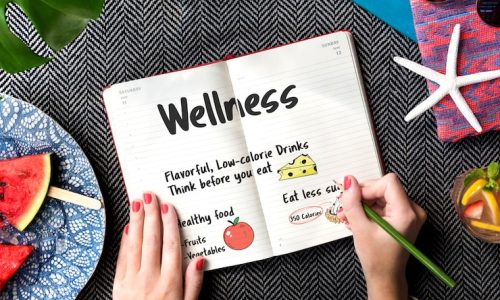
Comprehensive wellness programs are becoming an important consideration for organizations and individuals looking for a more connected approach to health, self-care, and long-term wellbeing. Rather than focusing on a single concern, these programs bring together multiple elements that influence daily health choices, including lifestyle habits, preventive practices, stress management, nutrition, and personal care. Understanding what makes these programs valuable helps clarify why integrated approaches are gaining attention among people seeking more sustainable ways to support their overall quality of life.
Sensitive, aging skin often shows the effects of hidden inflammation: dullness, redness, reactivity, and a weakened barrier. Daily stress, pollution, and harsh products can intensify irritation, making skin feel fragile and look older faster. Take Skin Quiz to find the right support for your skin. AveSeena’s immunology-driven formulas, developed by Dr. Ebru Karpuzoglu with 30 years of expertise, help calm visible signs of inflammation, strengthen the skin barrier, and restore a healthier, more resilient glow. Shop Now!
Why Comprehensive Wellness Programs Take a Broader Approach
Traditional wellness efforts often focused on isolated goals, such as addressing one health concern or encouraging a specific behavior. Comprehensive wellness programs take a wider view by recognizing that wellbeing is shaped by interconnected factors. Physical health, emotional balance, daily routines, and environmental influences all contribute to how people feel and function.
This broader perspective allows wellness strategies to move beyond short-term interventions. A program designed around multiple areas of support can help individuals create routines that are easier to maintain because they address the different factors affecting their health decisions.
For organizations, this approach can create a more supportive culture by making wellbeing part of everyday practices rather than treating it as a separate initiative. The CDC wellness guidance highlights that effective workplace health programs combine policies, benefits, environmental support, and education to encourage healthier behaviors and improve overall wellbeing.
The Value of Integrated Wellness Solutions
Integrated wellness solutions are valuable because they recognize that people rarely experience health challenges in isolation. Stress can influence sleep patterns, lifestyle choices can affect energy levels, and daily habits can shape how individuals experience their physical appearance and confidence.
A connected wellness approach encourages people to consider these relationships. Instead of pursuing separate solutions for separate concerns, individuals can develop a more coordinated strategy that supports their broader goals.
This approach is especially relevant for people interested in beauty wellness and intentional self-care. Skin health, for example, is often influenced by lifestyle factors such as stress management, consistent routines, and overall wellbeing. A comprehensive perspective allows skincare and wellness practices to become part of a larger personal health strategy rather than a standalone activity.
For brands operating in the wellness and skincare space, educational conversations around holistic care provide an opportunity to help consumers understand how different aspects of self-care work together. The focus shifts from quick fixes toward informed decisions and sustainable habits.
How Personalized Wellness Programs Support Individual Goals
Personalized wellness programs are valuable because they account for differences in lifestyle, preferences, priorities, and challenges. A strategy that works well for one person may not be appropriate for another, which makes customization an important part of long-term engagement.
Personalization can involve selecting wellness activities that align with individual routines, identifying areas where additional support may be useful, and creating realistic goals that fit into everyday life. This approach helps make wellness feel more achievable because it respects the person behind the plan.
For consumers exploring premium wellness experiences, personalization also reflects a desire for thoughtful recommendations rather than generic solutions. People increasingly look for products, services, and guidance that acknowledge their unique needs and provide meaningful support.
Within skincare and beauty wellness, this principle is particularly relevant. Skin concerns can vary significantly between individuals, making informed routines and attentive care important parts of a broader wellness mindset. Educational content that explains these connections can help consumers make better decisions about their personal care practices.
The Business Impact of Preventive Wellness Strategies
Organizations are increasingly examining wellness programs not only as employee benefits but also as strategic investments in workforce health and engagement. Preventive wellness strategies can support healthier behaviors by creating systems that encourage consistent participation and ongoing awareness.
Research examining workplace wellness initiatives has found evidence that well-designed programs can produce financial benefits alongside health improvements. One analysis found that medical costs decreased by approximately three dollars for every dollar invested in wellness programs, while absenteeism-related costs declined by nearly three dollars for every dollar invested. These findings are discussed in wellness program research examining prevention-focused approaches.
Beyond direct financial considerations, organizations can benefit from stronger workplace culture, improved employee engagement, and greater awareness of healthy behaviors. A comprehensive program can help create an environment where wellbeing is supported through daily practices instead of relying only on individual motivation.
The most effective programs are generally designed around the real needs of the people participating in them. This means organizations must consider accessibility, relevance, communication, and .
Why Mind Body Wellness Programs Are Gaining Attention
Mind body wellness programs reflect a growing understanding that mental and physical wellbeing are closely connected. Stress, emotional health, movement, rest, and self-care habits all influence how individuals experience their overall wellness.
This perspective encourages a more balanced approach. Instead of separating mental wellness from physical health, integrated programs consider how different practices can support one another. Activities focused on relaxation, healthy routines, mindfulness, movement, and personal care can become complementary parts of a complete wellness strategy.
For consumers, this approach can make wellness feel more practical and relevant. Rather than adding disconnected tasks to a routine, individuals can focus on creating habits that support their broader lifestyle goals.
For wellness-focused brands, the opportunity lies in providing meaningful education and guidance. Helping consumers understand the relationship between lifestyle choices and personal care allows brands to participate in conversations about wellbeing without reducing wellness to a single product or solution.
Building More Effective Wellness Programs Through Education and Support
Education is a central component of successful wellness programs because informed individuals are more likely to make intentional choices. A program can provide resources, recommendations, and structure, but its long-term value depends on whether participants understand how and why different practices contribute to their wellbeing.
Comprehensive programs are also more effective when they are designed around ongoing support. Wellness is not a one-time activity; it is a continuous process shaped by changing needs and circumstances. Programs that allow flexibility and adaptation can better support lasting engagement.
The CDC notes that coordinated workplace health promotion efforts can improve health behaviors, reduce risk factors, increase productivity, and strengthen workplace culture when they address multiple aspects of wellbeing. The CDC health model emphasizes the importance of structured planning and combining different forms of support.
For individuals, the same principle applies. A sustainable wellness routine often comes from combining realistic habits, informed choices, and consistent attention to personal needs.
What Comprehensive Wellness Means for the Future of Self-care
The growing interest in comprehensive wellness programs reflects a shift toward more connected approaches to personal health. Consumers are looking beyond individual products or isolated solutions and seeking strategies that support how they live, feel, and care for themselves over time.
This shift creates opportunities for wellness and skincare brands to contribute valuable expertise through education, thoughtful product development, and supportive experiences. The most meaningful conversations focus on helping people understand their choices and build routines that align with their goals.
For AveSeena, this broader wellness perspective connects naturally with the importance of intentional skincare and self-care practices. Approaching beauty through a wellness lens allows consumers to consider how their daily routines, lifestyle choices, and skin health goals can work together as part of a more complete approach to personal wellbeing.
Comprehensive wellness programs are valuable because they address the full picture of health rather than focusing on isolated concerns. By combining education, personalization, preventive strategies, and consistent support, these programs help individuals and organizations create stronger foundations for lasting wellbeing.
Frequently Asked Questions
What are the benefits of comprehensive wellness programs?
Comprehensive wellness programs provide a structured approach to supporting overall wellbeing by combining areas such as lifestyle habits, preventive practices, stress management, nutrition, and self-care. Their value comes from addressing multiple factors that influence health rather than focusing on a single concern.
How do integrated wellness solutions support long-term health goals?
Integrated wellness solutions help individuals connect different aspects of wellbeing, including physical health, emotional balance, and daily routines. By creating a more coordinated approach, these programs can make it easier to build sustainable habits that support personal health goals.
Why are personalized wellness programs important for individual needs?
Personalized wellness programs are designed around a person’s lifestyle, preferences, priorities, and challenges. This customized approach helps individuals choose realistic wellness strategies that align with their routines and create more meaningful long-term engagement.
Disclaimer: The above helpful resources content contains personal opinions and experiences. The information provided is for general knowledge and does not constitute professional advice.
You may also be interested in: 20 Inspirational Celebrity Quotes About Skin Care – AveSeena
Sensitive, aging skin often shows the effects of hidden inflammation: dullness, redness, reactivity, and a weakened barrier. Daily stress, pollution, and harsh products can intensify irritation, making skin feel fragile and look older faster. Take Skin Quiz to find the right support for your skin. AveSeena’s immunology-driven formulas, developed by Dr. Ebru Karpuzoglu with 30 years of expertise, help calm visible signs of inflammation, strengthen the skin barrier, and restore a healthier, more resilient glow. Shop Now!
Powered by flareAI.co