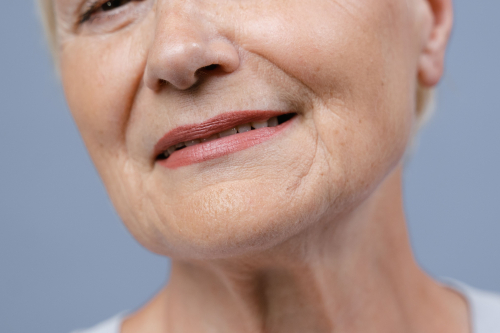
As we age, our skin undergoes profound changes that affect not only its appearance but also its comfort and ability to withstand daily stressors. Understanding the science behind these transformations empowers individuals to make informed choices that support skin health, resilience, and overall well-being. For those navigating mature skin concerns whether in bustling cities like New York or sunny locales in California this knowledge forms the foundation of effective, evidence-based care.
Sensitive, aging skin often shows the effects of hidden inflammation: dullness, redness, reactivity, and a weakened barrier. Daily stress, pollution, and harsh products can intensify irritation, making skin feel fragile and look older faster. Take Skin Quiz to find the right support for your skin. AveSeena’s immunology-driven formulas, developed by Dr. Ebru Karpuzoglu with 30 years of expertise, help calm visible signs of inflammation, strengthen the skin barrier, and restore a healthier, more resilient glow. Shop Now!
The Biology of Aging Skin
Skin aging is a multifactorial process involving intrinsic biological aging and extrinsic environmental damage, both of which contribute to progressive structural and functional decline. Intrinsic aging is genetically determined and involves gradual reductions in cellular turnover, dermal matrix components, and lipid synthesis. This leads to thinner skin, reduced elasticity, and diminished barrier performance.
Extrinsic aging, often referred to as photoaging, is primarily caused by chronic ultraviolet exposure and results in more pronounced wrinkling, pigmentation changes, and textural irregularities. UV radiation stimulates the production of matrix metalloproteinases, enzymes that degrade collagen and elastin, thereby accelerating connective tissue breakdown. In addition, the skin’s immune response weakens with age, reducing its ability to respond effectively to environmental stressors and pathogens.
Clinically, these changes manifest as dryness, laxity, uneven pigmentation, and increased fragility. According to the clinical overview of skin aging mechanisms, management strategies focus on prevention and restoration of barrier integrity. Sun protection is foundational, as it directly reduces ongoing collagen degradation. Topical treatments such as retinoids, antioxidants, and moisturizers are commonly used to improve dermal structure, enhance hydration, and support cellular renewal. In addition, maintaining a gentle skincare routine is important to avoid further disruption of the already compromised barrier. This comprehensive understanding of aging skin underscores the importance of both protective and restorative approaches to maintaining comfort, resilience, and overall skin health.
How Skin Structure Changes with Age
Aging skin undergoes a series of structural and functional transformations that directly influence its appearance, sensitivity, and overall resilience. One of the most significant changes is the thinning of the epidermis and dermis, which reduces the skin’s protective capacity and makes it more vulnerable to injury.
Collagen fibers become disorganized and decrease in quantity, while elastin loses its ability to maintain recoil, resulting in decreased firmness and elasticity. Additionally, sebaceous gland activity declines, leading to reduced natural oil production and increased dryness. This combination of factors contributes to a rougher texture, increased fragility, and a higher likelihood of irritation.
The skin’s ability to repair itself also slows, meaning that wounds or micro-damage take longer to heal compared to younger skin. Environmental exposure plays a major role in accelerating these processes, particularly ultraviolet radiation, which induces photoaging by damaging DNA and generating free radicals. As detailed in how skin structure changes with age, preventive and supportive care strategies emphasize hydration, sun protection, and barrier repair. Regular use of moisturizers helps compensate for reduced lipid production, while antioxidants in topical or dietary form may help reduce oxidative stress. Protective behaviors such as limiting excessive sun exposure and avoiding harsh skincare products are essential in preserving skin comfort and resilience. Together, these insights highlight that aging skin requires a shift from corrective treatment to sustained maintenance and protection.
The Role of Inflammation and Inflammaging
Chronic low-grade inflammation, often termed inflammaging, plays a central role in accelerating skin aging. As the skin barrier weakens, it becomes more susceptible to irritants, allergens, and environmental pollutants common in urban environments across the United States. This heightened sensitivity can lead to discomfort, redness, and prolonged recovery times.
Supporting the skin barrier through gentle, science-backed routines helps mitigate these effects. Strategies focus on restoring hydration, reinforcing structural proteins, and protecting against oxidative stress. Consumers seeking comfort for sensitive mature skin increasingly prioritize formulations that address barrier function rather than solely targeting visible signs of aging.
Building Resilience Through Evidence-Based Approaches
Effective management of aging skin emphasizes prevention and restoration of barrier integrity. Sun protection remains foundational, as it directly reduces ongoing collagen degradation. Topical treatments such as retinoids, antioxidants, and moisturizers are commonly used to improve dermal structure, enhance hydration, and support cellular renewal.
Maintaining a gentle skincare routine is important to avoid further disruption of the already compromised barrier. For individuals in regions with varying climates from the humid summers of Atlanta and Miami to the drier conditions in Scottsdale or Denver adapting routines to local conditions can make a meaningful difference in skin comfort.
Practical steps include choosing fragrance-free, non-irritating products and incorporating ingredients known to support lipid production and antioxidant defense. Lifestyle factors, such as adequate sleep, hydration, and a nutrient-rich diet, further contribute to skin resilience by supporting the body’s natural repair mechanisms.
Sensitive Skin Solutions for Mature Audiences
Mature skin often requires a shift from aggressive treatments to sustained maintenance and protection. Hydration becomes paramount as natural oil production decreases. Regular use of moisturizers helps compensate for reduced lipid production, while antioxidants in topical or dietary form may help reduce oxidative stress.
Protective behaviors such as limiting excessive sun exposure and avoiding harsh skincare products are essential in preserving skin comfort and resilience. Many wellness-oriented individuals balance these skincare practices with broader lifestyle choices that promote overall health, recognizing the interconnectedness of skin wellness and systemic vitality.
Anti-aging skincare strategies that prioritize barrier support offer a more sustainable path forward. These approaches help maintain comfort even as skin naturally evolves, allowing individuals to feel confident in their skin at every stage of life.
Practical Recommendations for Daily Care
Start with a consistent morning and evening routine focused on gentleness. Cleanse with mild, non-foaming products that respect the skin’s natural pH. Follow with a hydrating serum or treatment containing proven ingredients, then seal with a rich moisturizer formulated for mature skin.
Incorporate broad-spectrum sunscreen daily, reapplying as needed, especially during outdoor activities in sunny destinations like San Diego, Miami, or Los Angeles. Consider consulting a dermatologist for personalized advice tailored to specific concerns such as persistent dryness or sensitivity.
Monitor how your skin responds to seasonal changes and adjust accordingly. For example, richer textures may provide better comfort during colder months in Chicago or Boston, while lighter formulations suit warmer climates in Texas or Florida.
Science and Skin Wellness
The science of aging skin continues to evolve, offering new insights into supporting comfort and resilience. By focusing on barrier health, inflammation management, and protective strategies, individuals can navigate the natural aging process with greater confidence and ease.
Whether exploring advanced topical solutions or refining daily habits, the goal remains the same: healthy, comfortable skin that reflects inner vitality. Embracing these evidence-based approaches allows mature skin to thrive, supporting both appearance and well-being for years to come.
Frequently Asked Questions
What causes aging skin to become dry, fragile, and more sensitive over time?
As skin ages, both intrinsic biological factors and extrinsic environmental damage reduce collagen, elastin, and natural oil production, making the skin thinner, less elastic, and more prone to irritation. Sebaceous gland activity declines, weakening the skin barrier and leaving it vulnerable to irritants and pollutants. Chronic low-grade inflammation known as “inflammaging” further accelerates these changes, contributing to dryness, redness, and slower healing.
What are the best skincare ingredients and practices for mature, sensitive skin?
Evidence-based care for aging skin focuses on barrier repair and hydration look for moisturizers with lipid-replenishing ingredients, antioxidants to combat oxidative stress, and retinoids to support cellular renewal. Fragrance-free, non-foaming cleansers that respect the skin’s natural pH are recommended to avoid further barrier disruption. Daily broad-spectrum sunscreen is essential, as UV exposure is the leading driver of collagen breakdown and photoaging.
How does inflammation (inflammaging) accelerate skin aging, and how can it be managed?
Inflammaging refers to the chronic, low-grade inflammation that develops as the skin barrier weakens with age, making it more reactive to environmental stressors like pollution, harsh products, and UV radiation. This ongoing inflammatory state speeds up collagen degradation, increases sensitivity, and prolongs recovery from skin damage. Managing it involves adopting gentle, science-backed routines that restore hydration, reinforce structural proteins, and protect against oxidative stress rather than relying on aggressive treatments.
Disclaimer: The above helpful resources content contains personal opinions and experiences. The information provided is for general knowledge and does not constitute professional advice.
You may also be interested in: Why is the skincare industry having its worst year? – AveSeena
Sensitive, aging skin often shows the effects of hidden inflammation: dullness, redness, reactivity, and a weakened barrier. Daily stress, pollution, and harsh products can intensify irritation, making skin feel fragile and look older faster. Take Skin Quiz to find the right support for your skin. AveSeena’s immunology-driven formulas, developed by Dr. Ebru Karpuzoglu with 30 years of expertise, help calm visible signs of inflammation, strengthen the skin barrier, and restore a healthier, more resilient glow. Shop Now!
Powered by flareAI.co