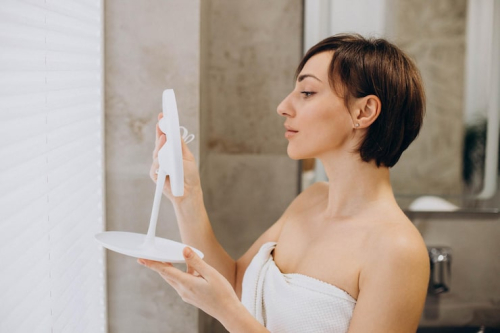
Skincare enthusiasts across the United States have witnessed a notable shift towards minimalist, science-led routines. The trend, championed by experts in dermatology and cosmetic chemistry, emphasizes streamlined product use, targeted formulations, and evidence-backed ingredients. For discerning consumers in cities like Los Angeles, New York, Miami, and San Francisco, this approach resonates with a desire to reduce product clutter while maintaining skin health and youthful appearance. Minimalist routines are not merely about using fewer products; they are about creating an intelligent, effective regimen grounded in scientific understanding.
Sensitive, aging skin often shows the effects of hidden inflammation: dullness, redness, reactivity, and a weakened barrier. Daily stress, pollution, and harsh products can intensify irritation, making skin feel fragile and look older faster. Take Skin Quiz to find the right support for your skin. AveSeena’s immunology-driven formulas, developed by Dr. Ebru Karpuzoglu with 30 years of expertise, help calm visible signs of inflammation, strengthen the skin barrier, and restore a healthier, more resilient glow. Shop Now!
Why Minimalism is Reshaping Skincare
Minimalist skincare has emerged as a response to overcomplicated beauty regimens that often overwhelm consumers with dozens of products. Professionals in Beverly Hills and Manhattan note that many clients report irritation, confusion, and wasted resources from multi-step routines. By contrast, minimalist routines focus on quality over quantity, encouraging the use of multifunctional products and emphasizing core principles such as cleansing, hydration, sun protection, and targeted treatment. This approach aligns with the preferences of consumers seeking efficiency without sacrificing results.
The movement also reflects a broader cultural shift towards sustainable consumption and conscious purchasing. In cities like San Diego and Seattle, environmentally aware consumers prefer fewer products with high efficacy, reducing packaging waste and avoiding unnecessary ingredients. This shift reinforces the appeal of minimalist skincare, where each product has a clear purpose and is supported by scientific research rather than marketing claims.
The Science Behind Streamlined Skincare
At the heart of this trend is a science-led approach that prioritizes formulations with proven efficacy. Dermatologists in New York State and Massachusetts emphasize that skincare products should be evaluated based on ingredients with documented mechanisms of action. Ingredients such as niacinamide, hyaluronic acid, and peptides are valued not for hype but for their ability to improve barrier function, hydration, and cellular regeneration. Evidence-based selections reduce the risk of adverse reactions, particularly for consumers in regions like Florida and Texas where environmental stressors such as sun exposure and humidity vary widely.
Scientific rigor also drives product layering strategies. Experts in Washington DC and Chicago highlight that applying multiple active ingredients without understanding interactions can lead to inflammation or reduced effectiveness. Minimalist routines encourage the thoughtful sequencing of products, ensuring that active compounds are used optimally while supporting long-term skin health. This careful orchestration of science-backed ingredients exemplifies the difference between a functional regimen and a perfunctory, marketing-driven routine.
Consumer Behavior and the Demand for Efficacy
Modern consumers are increasingly informed and discerning, often conducting extensive research before investing in skincare. Observations of digital buying behavior show that individuals in Los Angeles, New York, and Toronto rely heavily on reviews, educational content, and comparison tools to guide decisions. This informed behavior has led brands to prioritize transparency, ingredient disclosure, and clinically validated formulations. In practice, a simplified regimen appeals to those who want visible results without excessive experimentation or product layering.
Furthermore, customer retention strategies emphasize the value of consistent routines that deliver predictable outcomes. Companies across competitive markets like San Francisco and Boston recognize that long-term engagement is reinforced by products that consumers trust and understand. By integrating user-friendly routines with science-backed guidance, brands support better adherence, higher satisfaction, and positive word-of-mouth, illustrating how minimalism can enhance both consumer experience and business outcomes customer retention strategies.
Tailoring Skincare for Sensitive and Reactive Skin
Simplified, evidence-based routines are particularly beneficial for individuals with sensitive or reactive skin, a demographic that spans metropolitan centers such as Miami, Charlotte, and Bellevue. Dermatologists in these regions recommend minimizing the number of active ingredients per application to reduce irritation risk while maintaining efficacy. By focusing on core functional products, consumers can avoid the trial-and-error cycle often associated with complex routines and achieve healthier, calmer skin over time.
Moreover, minimalism encourages the use of dermatologist-approved formulations that are non-comedogenic and free from unnecessary fragrances or harsh preservatives. In practice, this approach supports a balanced skin barrier, mitigates redness and inflammation, and improves the overall resilience of the skin against environmental stressors, such as seasonal changes in Colorado, Arizona, and North Carolina.
Integrating Anti-Inflammaging Principles
Anti-inflammaging skincare, which addresses the dual concerns of inflammation and aging, is a natural complement to minimalist routines. Research and clinical observations in cities like Atlanta, Houston, and Scottsdale highlight the importance of mitigating chronic skin inflammation to prevent accelerated aging. Ingredients with anti-inflammatory and antioxidant properties such as green tea polyphenols, vitamin C derivatives, and omega fatty acids can be incorporated selectively into simplified regimens to protect skin structure, reduce oxidative stress, and promote cellular repair.
By combining minimalism with anti-inflammaging principles, consumers achieve a focused strategy that targets long-term skin health without the burden of excessive product use. This fusion reflects a sophisticated understanding of both dermatological science and practical lifestyle considerations, enabling efficient routines that deliver meaningful results.
Practical Implementation of a Minimalist Routine
Implementing a minimalist, science-backed skincare routine requires strategic selection and timing. Experts in New Jersey and Connecticut advise starting with a gentle cleanser, a moisturizer suited to skin type, targeted actives for specific concerns, and broad-spectrum sunscreen during the day. Optional treatments, such as serums or exfoliants, are used sparingly and based on proven efficacy. For example, a peptide serum applied in the evening can enhance collagen support without overloading the skin with unnecessary compounds.
Consumers in cities like Dallas, Nashville, and Palm Beach benefit from understanding environmental impacts on skin, such as sun intensity, humidity, and urban pollution. Minimalist routines can be adapted to these conditions, ensuring that the regimen remains both effective and convenient. This approach reduces decision fatigue, supports adherence, and aligns with modern lifestyle expectations where efficiency and results are equally valued.
Future Trends in Minimalist Skincare
Looking ahead, industry observers in Massachusetts, California, and New York anticipate that minimalist, science-led routines will continue to gain traction. Emerging trends include multifunctional formulations, personalized skincare guided by digital diagnostics, and increased integration of dermatological advice in consumer education. Brands are also expected to emphasize transparency and sustainability, reinforcing trust while meeting the evolving expectations of informed consumers.
Technological advances, such as AI-driven ingredient analysis and mobile apps providing routine optimization, are likely to support consumers in maintaining simplified regimens without compromising efficacy. In parallel, the continued popularity of clean skincare trends ensures that minimalist, science-backed approaches remain culturally relevant across major urban centers, from Washington DC to Vancouver.
The return of minimalist, science-led skincare routines represents a convergence of efficiency, evidence-based practice, and consumer empowerment. Across the United States, individuals in cities like Los Angeles, New York, Toronto, and London are increasingly drawn to routines that reduce complexity while maximizing effectiveness. By prioritizing high-quality formulations, informed sequencing, and targeted active ingredients, consumers can achieve healthier, more resilient skin with less effort. This trend not only reflects evolving consumer values but also underscores the importance of integrating dermatological science, practical lifestyle considerations, and cultural awareness into every skincare decision.
Frequently Asked Questions
What is a minimalist, science-led skincare routine and why is it trending?
A minimalist, science-led skincare routine focuses on using fewer, high-quality products backed by clinical evidence rather than marketing hype. Core steps typically include a gentle cleanser, a suitable moisturizer, targeted actives like niacinamide or peptides, and broad-spectrum sunscreen. The trend has grown in response to overcomplicated multi-step regimens that often cause irritation and confusion, with consumers increasingly prioritizing efficiency, sustainability, and proven results.
What are the best science-backed ingredients for a minimalist skincare routine?
Dermatologists recommend focusing on ingredients with well-documented mechanisms of action, such as hyaluronic acid for hydration, niacinamide for barrier support, and peptides for cellular regeneration. For anti-aging and anti-inflammatory benefits, ingredients like green tea polyphenols, vitamin C derivatives, and omega fatty acids are effective additions. Choosing a small number of these proven actives reduces the risk of adverse reactions while delivering meaningful, visible results.
Is a minimalist skincare routine suitable for sensitive or reactive skin?
Yes minimalist routines are especially well-suited for sensitive skin because limiting the number of active ingredients per application significantly reduces the risk of irritation and inflammation. Dermatologists advise selecting non-comedogenic formulations free from unnecessary fragrances and harsh preservatives to help maintain a healthy skin barrier. This approach eliminates the trial-and-error cycle common with complex routines, helping sensitive skin become calmer and more resilient over time.
Disclaimer: The above helpful resources content contains personal opinions and experiences. The information provided is for general knowledge and does not constitute professional advice.
You may also be interested in: Beauty 2026 Signals: Is this the end of Anti-Aging? – AveSeena
Sensitive, aging skin often shows the effects of hidden inflammation: dullness, redness, reactivity, and a weakened barrier. Daily stress, pollution, and harsh products can intensify irritation, making skin feel fragile and look older faster. Take Skin Quiz to find the right support for your skin. AveSeena’s immunology-driven formulas, developed by Dr. Ebru Karpuzoglu with 30 years of expertise, help calm visible signs of inflammation, strengthen the skin barrier, and restore a healthier, more resilient glow. Shop Now!
Powered by flareAI.co