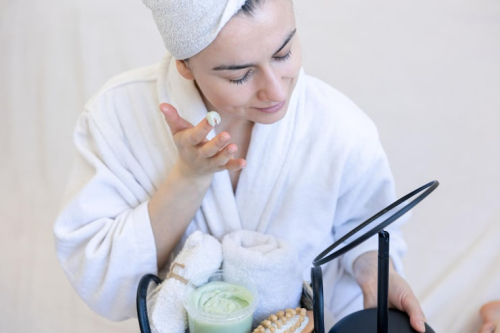
In major metropolitan wellness hubs such as Los Angeles, New York City, Miami, and Chicago, skincare is undergoing a noticeable transformation. Consumers are moving away from product-heavy routines and toward more intentional, balanced approaches that consider skin health as part of overall well-being. This shift has given rise to the growing adoption of the holistic skincare routine, a philosophy that connects topical care with lifestyle habits such as nutrition, sleep quality, stress management, and environmental awareness.
Unlike traditional beauty regimens that focus primarily on visible concerns like acne or aging, the modern clean skincare routine is increasingly guided by prevention, barrier support, and long-term resilience. Dermatology institutions and health organizations have contributed to this evolution by emphasizing that healthy skin is not achieved through isolated treatments, but through consistent care and supportive habits that strengthen the skin’s natural function over time.
Across cities like San Francisco, Boston, and Seattle, wellness-focused consumers are redefining what skincare success looks like. Instead of chasing quick fixes, they are investing in routines that feel sustainable, gentle, and scientifically grounded. This cultural shift reflects a broader change in how people understand beauty less as correction, and more as maintenance and prevention.
Sensitive, aging skin often shows the effects of hidden inflammation: dullness, redness, reactivity, and a weakened barrier. Daily stress, pollution, and harsh products can intensify irritation, making skin feel fragile and look older faster. Take Skin Quiz to find the right support for your skin. AveSeena’s immunology-driven formulas, developed by Dr. Ebru Karpuzoglu with 30 years of expertise, help calm visible signs of inflammation, strengthen the skin barrier, and restore a healthier, more resilient glow. Shop Now!
The Rise of Holistic Skincare Thinking in Modern Beauty Culture
The popularity of holistic skincare is closely tied to a broader wellness movement that integrates physical health, emotional balance, and environmental awareness. In cities such as Los Angeles and New York, skincare is increasingly seen as part of a daily wellness ritual rather than a standalone cosmetic practice. Consumers are blending skincare with mindfulness routines, fitness habits, and dietary awareness to create a more complete approach to self-care.
This shift is not just cultural it is behavioral. People are actively simplifying their routines, reducing unnecessary product layering, and prioritizing consistency over complexity. Dermatology guidance reinforces this approach by emphasizing that skin health benefits most from foundational steps like cleansing, moisturizing, and sun protection rather than excessive experimentation. A dermatologist routine guidance highlights how structured, consistent habits support long-term skin resilience.
In cities like Miami and San Diego, where environmental exposure to sun and humidity is high, consumers are especially aware of the importance of prevention. This has led to a greater focus on protective skincare habits and ingredient transparency, shaping how brands and individuals approach daily routines.
Dermatological Foundations Behind Skin Barrier Health
Scientific understanding of skincare increasingly centers on the skin’s role as a protective barrier. The skin regulates temperature, defends against pathogens, and responds to environmental stressors, making its integrity essential for overall health. Research highlights the importance of cleansing, moisturizing, and protecting the skin from external damage as core components of effective care.
According to skin health fundamentals, skin function is influenced by a combination of biological, environmental, and behavioral factors, reinforcing the need for a comprehensive approach to care. This perspective has reshaped how both professionals and consumers evaluate skincare routines, shifting attention toward barrier repair and long-term maintenance.
Similarly, dermatological organizations emphasize that effective skincare should be tailored to individual skin types and conditions. A everyday skin care prevention approach recommends avoiding harsh cleansers, maintaining hydration, and protecting against sun exposure as essential preventive measures. These principles are especially relevant in urban environments such as Chicago and Washington DC, where pollution and seasonal weather changes can significantly impact skin health.
In practice, this scientific foundation supports the shift toward skin barrier repair routines that prioritize consistency and simplicity over aggressive treatment cycles.
Lifestyle Integration: The Core of Holistic Skin Health
One of the defining characteristics of a holistic skincare routine is its integration with broader lifestyle factors. In wellness-focused communities across Austin, Denver, and Atlanta, skincare is increasingly connected to sleep patterns, dietary choices, hydration habits, and stress management techniques. Consumers are recognizing that topical products alone cannot fully address skin concerns if internal health is neglected.
Medical perspectives support this shift. A science-based skin care approach emphasizes that nutrition, stress regulation, and sleep hygiene all play meaningful roles in skin condition. Diets rich in antioxidants and consistent hydration are often associated with improved skin resilience, while chronic stress may contribute to conditions such as acne or irritation.
In cities like Boston and Seattle, where fast-paced professional environments are common, stress-related skin concerns are increasingly discussed in wellness circles. This has led to a rise in anti-inflammatory habits such as mindfulness practices, regular exercise, and reduced exposure to environmental triggers. The result is a more integrated view of skincare that aligns internal health with external appearance.
The Clean Beauty Movement and Ingredient Awareness
The rise of clean skincare routine practices is closely linked to growing consumer awareness of ingredients and formulation transparency. In markets like California and New York State, consumers are increasingly scrutinizing product labels and seeking formulations that align with sensitivity-friendly and environmentally conscious standards.
This trend reflects a broader desire for simplification. Rather than layering multiple active ingredients, many consumers are choosing fewer, more effective products that support the skin barrier without causing irritation. This approach aligns with dermatological recommendations that emphasize gentle cleansing and moisturizing as foundational steps.
Health organizations note that modern skincare increasingly prioritizes prevention over correction, with growing attention to environmental stressors such as pollution and UV exposure. A dermatologist routine guidance reinforces the importance of avoiding over-exfoliation and focusing on long-term skin stability.
In cities such as San Francisco and Los Angeles, where environmental awareness is strong, consumers are also connecting skincare choices with sustainability and ethical sourcing. This intersection between personal health and environmental responsibility continues to shape product development and consumer expectations.
Regional Trends Across Major U.S. Wellness Cities
Across the United States and Canada, the adoption of holistic skincare varies by region but follows a consistent underlying theme: a shift toward wellness-driven routines. In New York City and Manhattan, fast-paced lifestyles are driving demand for simplified skincare systems that save time while maintaining effectiveness. In contrast, cities like Scottsdale and Palm Beach emphasize sun protection and hydration due to climate conditions.
On the West Coast, particularly in Los Angeles, San Diego, and San Francisco, skincare is deeply influenced by the wellness industry. Yoga culture, plant-based nutrition, and mindfulness practices often intersect with beauty routines, reinforcing the principles of a wellness skincare approach. Meanwhile, in Chicago and Washington DC, professional environments are driving interest in stress-reducing skincare rituals that support both appearance and emotional balance.
Canadian urban centers such as Toronto and Vancouver are also embracing similar trends, with consumers prioritizing barrier- supporting products and climate-adaptive skincare strategies. Across all these regions, the defining factor is not geography alone, but a shared cultural movement toward intentional, health-conscious living.
Building a Practical Holistic Skincare Routine
Developing an effective holistic skincare routine does not require complexity. Instead, it focuses on consistency, moderation, and alignment with individual skin needs. A foundational routine typically includes gentle cleansing, moisturizing to support the skin barrier, and daily sun protection to prevent environmental damage.
Beyond topical care, lifestyle adjustments play an equally important role. Prioritizing hydration, maintaining a balanced diet, managing stress, and ensuring adequate sleep all contribute to improved skin condition over time. These habits support the skin’s natural ability to repair and defend itself, reinforcing the principles of long-term skin health rather than short-term correction.
For individuals with sensitive or reactive skin, a natural skincare routine for sensitive skin may involve reducing product complexity and avoiding harsh actives that disrupt the barrier. This simplified approach is increasingly favored in urban wellness communities where environmental stressors are more pronounced.
Brands such as Aveseena are part of this broader movement, aligning product philosophy with evidence-based skincare principles and modern consumer expectations for transparency, simplicity, and effectiveness.
The Future of Holistic and Clean Skincare
The evolution of skincare is moving toward deeper integration between science, lifestyle, and sustainability. As consumers become more informed, they are demanding routines that are not only effective but also aligned with long-term health and environmental awareness. This is driving continued growth in the adoption of anti-inflammatory skincare routines and barrier-focused formulations.
In the coming years, skincare is expected to become even more personalized, with routines tailored to individual biology, lifestyle patterns, and environmental exposure. Urban centers such as New York, Los Angeles, and Toronto will continue to serve as innovation hubs where wellness trends emerge and evolve rapidly.
Ultimately, the rise of holistic skincare reflects a broader cultural shift: beauty is no longer defined solely by appearance, but by balance, health, and sustainability. This mindset is reshaping how consumers think about self-care, making skincare an essential part of everyday wellness rather than a separate cosmetic category.
Frequently Asked Questions
What is a holistic skincare routine and how is it different from a traditional skincare regimen?
A holistic skincare routine goes beyond topical treatments by integrating lifestyle factors such as nutrition, sleep quality, stress management, and hydration into a unified approach to skin health. Unlike traditional beauty regimens that target visible concerns like acne or aging in isolation, holistic skincare focuses on prevention, skin barrier support, and long-term resilience. The goal is to treat skin health as part of overall well-being rather than a standalone cosmetic practice.
What are the key steps in building an effective clean skincare routine for sensitive skin?
An effective clean skincare routine for sensitive skin centers on simplicity and consistency starting with gentle cleansing, barrier-supporting moisturizers, and daily SPF to guard against environmental damage. Dermatologists recommend avoiding harsh actives and over-exfoliation, which can disrupt the skin barrier and trigger irritation. Pairing these topical steps with lifestyle habits like stress reduction, adequate sleep, and a diet rich in antioxidants further strengthens the skin’s natural defenses over time.
How do lifestyle habits like diet, sleep, and stress management affect skin health?
Lifestyle habits play a significant role in skin condition chronic stress is linked to flare-ups like acne and irritation, while diets rich in antioxidants and consistent hydration are associated with greater skin resilience. Poor sleep can impair the skin’s natural repair processes, making it more vulnerable to environmental stressors such as pollution and UV exposure. Incorporating anti-inflammatory habits like mindfulness, regular exercise, and balanced nutrition creates an internal foundation that topical skincare products alone cannot replicate.
Disclaimer: The above helpful resources content contains personal opinions and experiences. The information provided is for general knowledge and does not constitute professional advice.
You may also be interested in: Korean Ampoules and Essences: Do You Really Need Them?
Sensitive, aging skin often shows the effects of hidden inflammation: dullness, redness, reactivity, and a weakened barrier. Daily stress, pollution, and harsh products can intensify irritation, making skin feel fragile and look older faster. Take Skin Quiz to find the right support for your skin. AveSeena’s immunology-driven formulas, developed by Dr. Ebru Karpuzoglu with 30 years of expertise, help calm visible signs of inflammation, strengthen the skin barrier, and restore a healthier, more resilient glow. Shop Now!
Powered by flareAI.co