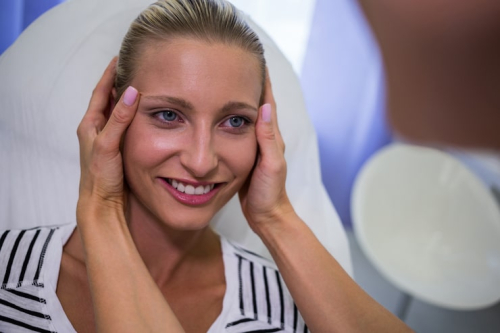
The language surrounding anti-aging in dermatology and beauty has undergone a noticeable evolution. What once centered on fighting visible signs of time now emphasizes supporting skin’s natural vitality, resilience, and overall health. This shift reflects deeper changes in scientific understanding, consumer expectations, and wellness priorities, moving conversations toward more empowering and less confrontational narratives.
Sensitive, aging skin often shows the effects of hidden inflammation: dullness, redness, reactivity, and a weakened barrier. Daily stress, pollution, and harsh products can intensify irritation, making skin feel fragile and look older faster. Take Skin Quiz to find the right support for your skin. AveSeena’s immunology-driven formulas, developed by Dr. Ebru Karpuzoglu with 30 years of expertise, help calm visible signs of inflammation, strengthen the skin barrier, and restore a healthier, more resilient glow. Shop Now!
From Combat to Collaboration: Rethinking Anti-Aging Terminology
Traditional anti-aging messaging often framed aging as an enemy to defeat through aggressive interventions. Today, professionals in the beauty and dermatology space increasingly favor terms that highlight partnership with the skin’s biology. This modern beauty terminology prioritizes maintenance and optimization over eradication of natural processes.
Consumers aged 30-55, many of whom are active in wellness communities across major cities, seek approaches that align with broader life goals like longevity and vitality. The focus has pivoted to skin health language that addresses underlying factors such as inflammation and cellular function rather than chronological age alone.
The Rise of Regenerative Approaches in Skincare
One of the most compelling developments involves regenerative skincare, which marks a significant departure from conventional methods. This approach shifts focus from merely addressing visible signs of aging to actively enhancing the skin’s natural repair and regeneration mechanisms. It draws on advancements in biomedical research, particularly in areas such as cellular communication, tissue repair, and growth factor signaling.
Ingredients like peptides, exosomes, PDRN, and epidermal growth factors are increasingly incorporated into formulations designed to improve hydration, elasticity, and barrier function while minimizing irritation. The rise of regenerative skincare is also influenced by growing consumer interest in post-procedure recovery and long-term skin resilience, especially as aesthetic treatments become more common and require supportive at-home care.
Importantly, this trend reflects a broader linguistic and conceptual shift away from “anti-aging,” which implies resistance or opposition to aging, toward a more neutral or constructive framing that emphasizes optimization and support. In this context, aging is not treated as a problem to be eliminated but as a biological process that can be guided toward healthier outcomes. The emergence of regenerative skincare technologies in dermatology thus mirrors deeper changes in both scientific understanding and consumer expectations around skin health, aging, and beauty.
Longevity Skincare: A Holistic Framework
Another key evolution appears in the concept of longevity skincare, which reinterprets traditional strategies through a lens of sustained wellness. This framework is closely tied to broader wellness trends, including preventive health, biohacking, and lifestyle optimization, which emphasize maintaining cellular function and resilience over time.
Unlike conventional anti-aging strategies that focus on reversing wrinkles, pigmentation, or loss of elasticity, longevity-based skincare encourages consistent habits such as sun protection, antioxidant use, hydration, and sleep optimization to preserve skin integrity across decades. Dermatology experts note that while the terminology has evolved, many of the core ingredients and interventions remain the same, including retinoids, niacinamide, and other clinically proven actives.
The primary difference lies in messaging: instead of positioning products as corrective solutions to aging, they are presented as tools for maintaining healthy skin function and delaying decline. This reframing helps reduce stigma associated with aging while aligning skincare with broader healthspan-focused narratives in medicine. Ultimately, the longevity approach reflects both a marketing evolution and a more holistic understanding of skin biology within modern dermatological practice. The longevity skincare as a new anti-aging framework offers fresh perspectives for enthusiasts exploring science-backed options.
Inflammaging and the Science of Prevention
Discussions around inflammaging have gained prominence as experts connect chronic low-grade inflammation to accelerated skin aging. This concept bridges dermatology with internal wellness, encouraging integrated solutions that target root causes rather than surface symptoms. Science-backed anti-aging now frequently incorporates anti-inflammatory ingredients and lifestyle recommendations that support the skin barrier and microbiome balance.
Professionals appreciate this nuanced view because it empowers individuals to take proactive steps through daily routines. Luxury skincare trends increasingly feature formulations that address inflammaging through gentle, restorative ingredients, appealing to those seeking sustainable results without harsh interventions.
Consumer-Driven Changes in Beauty Narratives
Enthusiasts in wellness spaces value authenticity and evidence over hype. Brands responding to this demand have softened aggressive anti-aging claims in favor of educational content about skin biology and personalized care. This dermatology language shift fosters trust and encourages informed decision-making among adults navigating evolving skincare options.
Practical recommendations include focusing on consistent routines that combine proven actives with supportive lifestyle practices. For instance, prioritizing barrier repair and antioxidant protection can yield visible improvements while aligning with longevity principles. Such approaches resonate particularly well with busy professionals seeking efficient, effective regimens.
Challenges and Opportunities in Terminology Evolution
While the shift toward positive, health-focused language offers many benefits, it also presents challenges. Some consumers may find newer terms less immediately understandable compared to familiar anti-aging phrasing. Clear education from dermatologists and brands helps bridge this gap, ensuring accessibility without sacrificing scientific accuracy.
Opportunities abound for innovation in product development and communication. By embracing wellness-focused beauty narratives, the industry can attract a broader audience interested in preventive care and long-term skin vitality. This evolution supports more inclusive conversations that celebrate skin at every stage rather than framing maturity negatively.
Sustainable Skin Health Practices
The changing language signals a maturing industry that values sustainability and realism. Future advancements will likely continue integrating regenerative science with accessible at-home solutions, making advanced care more approachable. Practitioners and consumers alike benefit from this progress, as it promotes healthier relationships with the aging process.
Ultimately, these developments highlight how thoughtful shifts in terminology can drive meaningful improvements in both perception and practice. By focusing on skin health language that empowers rather than pressures, dermatology and beauty continue to evolve in ways that truly serve their audiences.
As awareness grows, individuals gain better tools and insights for nurturing their skin throughout life. This balanced perspective on anti-aging skincare trends promises continued innovation grounded in science, empathy, and respect for natural biology.
Frequently Asked Questions
What is the difference between “anti-aging” skincare and “longevity skincare”?
While traditional anti-aging skincare focuses on reversing visible signs like wrinkles and pigmentation, longevity skincare takes a proactive, wellness-oriented approach aimed at preserving skin health over decades. Rather than framing aging as a problem to fix, longevity skincare promotes consistent habits such as sun protection, antioxidant use, and hydration as tools for maintaining healthy skin function long-term. Many of the core ingredients, including retinoids and niacinamide, remain the same; the key difference lies in the empowering, prevention-first messaging.
What is regenerative skincare, and how does it differ from conventional anti-aging treatments?
Regenerative skincare goes beyond masking visible aging signs by actively supporting the skin’s natural repair and regeneration mechanisms at a cellular level. It draws on advances in biomedical research incorporating ingredients like peptides, exosomes, PDRN, and epidermal growth factors to improve hydration, elasticity, and barrier function with minimal irritation. This approach is especially popular for post-procedure recovery and reflects a broader industry shift toward optimizing skin biology rather than simply fighting the aging process.
What is “inflammaging,” and why is it important in modern skincare?
Inflammaging refers to the chronic low-grade inflammation that scientists have linked to accelerated skin aging, connecting dermatological health with overall internal wellness. Addressing inflammaging means targeting root causes rather than surface symptoms through anti-inflammatory ingredients, microbiome-supportive formulas, and lifestyle habits that strengthen the skin barrier. This science-backed perspective is increasingly shaping luxury skincare formulations and dermatologist recommendations, as it empowers individuals to slow skin aging through sustainable, preventive daily routines.
Disclaimer: The above helpful resources content contains personal opinions and experiences. The information provided is for general knowledge and does not constitute professional advice.
You may also be interested in: What Causes Skin Hyperpigmentation? The Science – AveSeena
Sensitive, aging skin often shows the effects of hidden inflammation: dullness, redness, reactivity, and a weakened barrier. Daily stress, pollution, and harsh products can intensify irritation, making skin feel fragile and look older faster. Take Skin Quiz to find the right support for your skin. AveSeena’s immunology-driven formulas, developed by Dr. Ebru Karpuzoglu with 30 years of expertise, help calm visible signs of inflammation, strengthen the skin barrier, and restore a healthier, more resilient glow. Shop Now!
Powered by flareAI.co