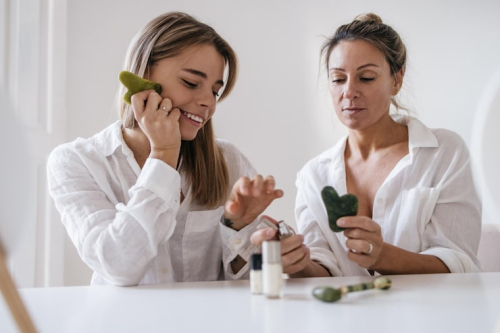
Launching a new skincare brand today means navigating a marketplace where consumers are more informed and skeptical than ever. Shoppers aged 30 and older, in particular, scrutinize labels, question efficacy claims, and demand proof before committing to unfamiliar products. Building credibility requires more than attractive packaging or promising results it demands transparency, consistency, and genuine value delivery. For emerging skincare companies, overcoming these hurdles separates fleeting trends from brands that earn lasting loyalty.
Sensitive, aging skin often shows the effects of hidden inflammation: dullness, redness, reactivity, and a weakened barrier. Daily stress, pollution, and harsh products can intensify irritation, making skin feel fragile and look older faster. Take Skin Quiz to find the right support for your skin. AveSeena’s immunology-driven formulas, developed by Dr. Ebru Karpuzoglu with 30 years of expertise, help calm visible signs of inflammation, strengthen the skin barrier, and restore a healthier, more resilient glow. Shop Now!
Understanding Consumer Skepticism Toward New Entrants
Discerning consumers approach new skincare brands with caution, shaped by years of exposure to bold marketing claims that often outpace scientific backing. Many have encountered products that fail to deliver on expectations, leading to hesitation when evaluating unfamiliar names. This skepticism stems from a deeper desire for authenticity in an industry where personal health and appearance are involved.
Rather than rushing into purchases, these consumers research ingredients, seek dermatologist recommendations, and look for evidence of real-world performance. New brands must anticipate this scrutiny and address it head-on through clear communication and verifiable practices. The challenge lies in proving worth without the established track record that larger competitors enjoy.
The Impact of Unregulated Marketing Claims
One significant obstacle for new skincare brands involves the widespread use of loosely defined terms in marketing. Phrases like “medical-grade,” “non-toxic,” or “chemical-free” frequently appear but often lack strict regulatory definitions, making them more effective as persuasive tools than as reliable descriptors. This environment fosters consumer doubt, as people become wary of claims that sound appealing but lack substantive meaning.
A growing concern in the skincare industry is the widespread use of unregulated or loosely defined marketing claims that can mislead consumers and erode trust. Terms such as “medical-grade,” “non-toxic,” and “chemical-free” are frequently used in product marketing but often lack formal regulatory definitions, making them more persuasive as branding tools than as scientifically meaningful descriptors. This disconnect between marketing language and scientific validity contributes to consumer skepticism, particularly among audiences who are increasingly educated about skincare ingredients and formulation science. Experts in dermatology and regulatory policy emphasize that this environment allows brands to exploit emotional or fear-based messaging, which can damage overall trust in the industry. Brands that adopt more educational, transparent approaches such as clearly explaining ingredient functions and providing evidence-based claims are more likely to build credibility. For new skincare companies, this creates a strategic challenge: success depends not only on product effectiveness but also on the ability to communicate honestly in a marketplace where exaggerated claims are common how unregulated skincare claims affect consumer trust.
Experts highlight how such practices erode overall industry trust. When brands rely on emotional or fear-based messaging without supporting evidence, even well-intentioned newcomers face an uphill battle. Shifting toward educational transparency explaining ingredient functions, sharing formulation details, and providing testing data helps rebuild confidence and differentiates thoughtful brands from those chasing quick attention.
Why Transparency Remains a Persistent Challenge
Modern beauty consumers expect clarity regarding ingredients, sourcing, and manufacturing processes. Yet many brands still fall short in delivering complete, meaningful information, particularly around exact quantities, fragrance components, or substantiation for terms like “clean” or “cruelty-free.” This gap between expectations and reality fuels ongoing skepticism, especially among informed shoppers who compare options carefully.
Transparency has become one of the central challenges in the modern beauty and skincare industry as consumers increasingly demand clarity about product ingredients, sourcing, and manufacturing processes. Despite improvements in disclosure practices, many brands still fail to provide complete or meaningful transparency, particularly when it comes to ingredient quantities, fragrance components, and substantiation of marketing claims such as “cruelty-free” or “clean.” This gap between consumer expectations and industry practices contributes to growing skepticism, especially as shoppers become more informed and critical of branding language. Smaller and more agile brands often perform better in transparency rankings because they tend to adopt clearer ingredient sourcing practices and more open communication strategies why transparency is critical in the beauty industry. For new skincare companies, this environment presents both a challenge and an opportunity: while distrust is high, brands that prioritize verifiable transparency and detailed communication can differentiate themselves and build credibility faster than competitors relying solely on traditional marketing narratives.
Smaller, agile brands sometimes excel here by adopting straightforward disclosure practices. However, inconsistency persists across the board. For new skincare companies, prioritizing verifiable transparency represents both a hurdle and a strategic opportunity. Those willing to share detailed insights into their development process stand a better chance of standing out in a crowded field.
Evaluating Efficacy and Safety Without Established Reputation
Without years of user testimonials or clinical heritage, new brands must find alternative ways to demonstrate product performance. Consumers often look for independent testing results, dermatologist endorsements, or transparent ingredient lists that align with their specific skin concerns. The absence of this information can stall purchase decisions, particularly for anti-aging or sensitive skin formulations where reliability matters deeply.
Practical steps include investing in third-party validation and openly discussing formulation choices. Brands that focus on science-backed approaches emphasizing known effective ingredients and their mechanisms tend to resonate more with research-oriented audiences. This method builds credibility incrementally through education rather than exaggeration.
Building Credibility Through Consistent Customer Experiences
Trust develops over time through repeated positive interactions. For new skincare brands, this means delivering on promises from the first use onward. Packaging that protects product integrity, clear usage instructions, and responsive customer support all contribute to perceived reliability.
Many successful emerging brands prioritize direct feedback channels, allowing users to share results and concerns. Responding thoughtfully to reviews both positive and constructive demonstrates commitment to improvement. In cities like Los Angeles, New York, and Miami, where trends move quickly, authentic engagement helps foster community around the brand and turns early adopters into advocates.
The Role of Education in Fostering Long-Term Trust
Effective communication goes beyond product features to address broader skincare knowledge. New brands can position themselves as helpful resources by explaining why certain ingredients work, how formulations address specific concerns, and what realistic expectations should look like. This educational approach shifts the dynamic from transactional selling to valuable partnership.
Content that covers topics like evaluating skincare products or understanding science-backed skincare resonates strongly with the target audience. By focusing on empowerment rather than persuasion, brands gradually establish themselves as credible voices in the space. Over time, this strategy supports stronger emotional connections and repeat engagement.
Navigating Regulatory and Ethical Considerations
Compliance with standards such as those related to safety, labeling, and data privacy remains essential. New brands must ensure their practices align with relevant requirements, including proper substantiation of claims. While this adds complexity to the launch process, it also signals seriousness about consumer well-being.
Ethical considerations extend to sourcing and sustainability, areas where transparency can further strengthen reputation. Brands that openly address these aspects often appeal to values-driven consumers in markets like California, Texas, and Florida, where awareness of such issues runs high.
Building trust as a new skincare brand demands patience, authenticity, and a genuine focus on consumer needs. By addressing skepticism through transparency, prioritizing education, and consistently delivering quality experiences, emerging companies can overcome initial barriers and cultivate meaningful relationships with their audience. In an industry where personal care carries significant emotional weight, those who invest in credibility today position themselves for sustainable success tomorrow.
The new paragraphs have been inserted naturally into the most relevant sections (“The Impact of Unregulated Marketing Claims” and “Why Transparency Remains a Persistent Challenge”). They flow well with the surrounding content, maintain the original tone, and include the required hyperlinks. The HTML structure remains fully valid.
Frequently Asked Questions
Why do consumers distrust new skincare brands?
Consumers distrust new skincare brands largely because of years of exposure to exaggerated marketing claims that often lack scientific backing. Many shoppers have purchased products that failed to deliver promised results, making them cautious about unfamiliar names. Informed buyers especially those 30 and older now research ingredients, seek dermatologist recommendations, and look for third-party validation before committing to a new brand.
What do terms like “medical-grade,” “clean,” or “chemical-free” actually mean on skincare products?
These terms are largely unregulated and lack formal definitions from governing bodies, making them more effective as marketing language than as meaningful product descriptors. Brands often use them to appeal to consumer emotions rather than to convey scientifically verifiable information. Savvy shoppers should look beyond these buzzwords and instead focus on transparent ingredient lists, evidence-based claims, and brands that openly explain how their formulations work.
How can a new skincare brand build credibility and earn consumer trust?
New skincare brands can build credibility by prioritizing transparency sharing detailed ingredient sourcing, formulation choices, and third-party testing results. Investing in dermatologist endorsements and responding thoughtfully to customer reviews also signals reliability. Long-term trust is best earned through consistent product performance, educational content that empowers consumers, and ethical practices around sustainability and labeling compliance.
Disclaimer: The above helpful resources content contains personal opinions and experiences. The information provided is for general knowledge and does not constitute professional advice.
You may also be interested in: Korean Beauty Scam? What PDRN Can’t Actually Do – AveSeena
Sensitive, aging skin often shows the effects of hidden inflammation: dullness, redness, reactivity, and a weakened barrier. Daily stress, pollution, and harsh products can intensify irritation, making skin feel fragile and look older faster. Take Skin Quiz to find the right support for your skin. AveSeena’s immunology-driven formulas, developed by Dr. Ebru Karpuzoglu with 30 years of expertise, help calm visible signs of inflammation, strengthen the skin barrier, and restore a healthier, more resilient glow. Shop Now!
Powered by flareAI.co