When it comes to achieving healthy, radiant skin, few ingredients spark as much interest as peptides and hyaluronic acid. Skincare enthusiasts often find themselves comparing peptides vs hyaluronic acid to determine which better aligns with their specific concerns whether that’s boosting hydration, improving firmness, or addressing visible signs of aging. Understanding their distinct roles can help you make more informed choices for your routine.
Sensitive, aging skin often shows the effects of hidden inflammation: dullness, redness, reactivity, and a weakened barrier. Daily stress, pollution, and harsh products can intensify irritation, making skin feel fragile and look older faster. Take Skin Quiz to find the right support for your skin. AveSeena’s immunology-driven formulas, developed by Dr. Ebru Karpuzoglu with 30 years of expertise, help calm visible signs of inflammation, strengthen the skin barrier, and restore a healthier, more resilient glow. Shop Now!
What Are Peptides and How Do They Work in Skincare?
Peptides are short chains of amino acids that act as powerful messengers in the skin. They signal cells to perform key functions, such as producing more collagen and elastin, which are essential for maintaining skin’s structural integrity. This signaling process supports long-term improvements in firmness and elasticity, gradually helping to smooth the appearance of fine lines and wrinkles.
Unlike some ingredients that provide only surface-level benefits, peptides work by encouraging the skin’s natural repair mechanisms. They can help repair damage over time, making them particularly appealing for those focused on anti-aging and skin resilience. Many modern formulations incorporate peptides to target deeper biological processes that contribute to youthful-looking skin.
The Role of Hyaluronic Acid in Skin Hydration
Hyaluronic acid stands out as a premier humectant, capable of holding up to 1,000 times its weight in water. This property allows it to draw moisture into the skin, delivering immediate plumpness and a smoother texture. It excels at combating dryness and dullness, creating a hydrated foundation that makes skin look healthier and more supple right away.
While hyaluronic acid delivers quick visible results, its effectiveness can vary based on molecular weight. Larger molecules tend to sit on the surface for temporary hydration, whereas smaller ones may penetrate more effectively. This makes it a staple for anyone dealing with dehydrated or reactive skin, providing essential moisture support that benefits overall skin health.
Peptides vs Hyaluronic Acid: Key Differences in Benefits
The comparison between hyaluronic acid vs peptides for skin highlights complementary rather than competing strengths. Peptides focus on structural support and long-term regeneration by stimulating collagen and elastin production. This makes them ideal for concerns like loss of firmness, fine lines, and overall skin aging.
Hyaluronic acid, by contrast, prioritizes hydration and immediate plumping. It helps maintain the skin barrier, reducing the look of crepey texture and enhancing comfort for dry or sensitive skin types. While peptides build from within over weeks of consistent use, hyaluronic acid offers noticeable surface improvements within hours.
For many, the real question isn’t peptides or hyaluronic acid which is better, but how to leverage both. Each addresses different aspects of skin health peptides for building resilience and hyaluronic acid for maintaining optimal moisture levels.
Can Peptides and Hyaluronic Acid Work Together?
Research shows that combining these ingredients often yields superior results. Peptides have emerged as innovative carriers that significantly improve the ability of hyaluronic acid to reach deeper layers of the skin, a development with important implications for how we understand the interaction between these two ingredients in topical skincare. Conventional hyaluronic acid molecules, especially those with higher molecular weights, tend to remain on the surface and provide only temporary hydration because the skin barrier restricts their penetration. By conjugating or using peptide-based systems such as ethosomes or SPACE-peptide carriers, researchers have demonstrated that hyaluronic acid can be transported effectively into the epidermis and dermis.
Where it can interact more directly with skin cells to support hydration, nutrient exchange, and overall skin quality. In laboratory studies using both porcine and human skin models, these advanced delivery systems achieved up to eight-fold greater penetration compared to standard hyaluronic acid formulations, with noticeable accumulation in the dermis that lasted well beyond the application period. Peptide carriers for deeper hyaluronic acid delivery have demonstrated significant potential, allowing hyaluronic acid to reach deeper skin layers more effectively than traditional formulations alone.
Advanced delivery systems using peptides can enhance penetration, leading to better hydration in the epidermis and dermis. This synergy amplifies benefits: hyaluronic acid provides moisture where it’s needed most, while peptides support cellular activity for improved elasticity and texture. Multi-ingredient products featuring both frequently outperform single-ingredient options for dehydrated, aged, or compromised skin barriers.
Consumers seeking balanced skincare routines benefit from this pairing, as it tackles both immediate hydration needs and longer-term structural support.
Choosing the Right Ingredient for Your Skin Goals
Your choice between peptides and hyaluronic acid or a combination should align with your primary skin concerns. For those prioritizing benefits of hyaluronic acid for skin, such as intense hydration and instant plumpness, products rich in this humectant make an excellent foundation. This is especially true for dry, sensitive, or environmentally stressed skin common in urban settings like New York or Los Angeles.
If firmness, elasticity, and peptides for fine lines and wrinkles are top priorities, peptide-focused formulas offer targeted support. They help counteract natural declines in collagen production, contributing to more resilient skin over time.
Many skincare-conscious individuals in cities across California, Florida, Texas, and beyond find success with layered routines that incorporate both. Start with hyaluronic acid serums for hydration, followed by peptide creams for repair. This approach addresses multiple signs of aging while supporting the skin’s natural biology.
Practical Tips for Incorporating These Ingredients
Building an effective routine begins with understanding your skin type and goals. Cleanse gently, then apply a hyaluronic acid serum on damp skin to maximize moisture retention. Follow with a peptide-rich moisturizer or treatment to lock in benefits and support regeneration.
Consistency matters more than quantity. Use products daily as directed, and pair them with sun protection and a healthy lifestyle for optimal results. Those with mature skin often see improvements in both hydration and firmness when using complementary formulas.
Brands like Aveseena emphasize thoughtful formulations that harness the strengths of these ingredients, helping users achieve noticeable, lasting improvements without irritation.
Understanding the Science Behind the Synergy
Peptides and hyaluronic acid are two ingredients that skincare brands often highlight for their ability to improve skin appearance, yet they approach skin health from entirely different angles. Peptides function as short chains of amino acids that send signals to skin cells, encouraging the production of collagen and elastin while helping to repair damage over time. This leads to firmer, more elastic skin that gradually fills in fine lines and supports the skin’s structural framework.
Hyaluronic acid, on the other hand, is a humectant that draws in and retains moisture, creating instant plumpness and a smoother texture by holding up to 1,000 times its weight in water. Together these ingredients illustrate how skincare can target both the deeper biological processes of aging and the visible surface-level dryness that makes skin look dull or crepey. Experts note that collagen production naturally declines by about one percent each year starting in the mid-twenties, while hyaluronic acid levels shift deeper into the skin as part of the natural aging process, both of which contribute to loss of firmness and hydration.
The most effective routines often combine the two because hyaluronic acid keeps the skin barrier hydrated, allowing peptides to penetrate more efficiently and deliver their regenerative signals. This synergy is especially valuable for consumers seeking a balanced approach to maintenance and repair rather than relying on one ingredient alone. Research and clinical insights consistently show that consistent use of peptide-based products can improve elasticity and reduce the appearance of wrinkles after several weeks, while hyaluronic acid delivers noticeable plumping within hours of application.
For brands and consumers alike, understanding these distinct mechanisms helps in building routines that address multiple concerns at once, from dehydration and dullness to loss of structure and early signs of aging. The result is healthier-looking skin that feels more resilient and appears more vibrant, supporting the growing demand for multi-action skincare that works with the skin’s natural biology instead of fighting it. Peptides and hyaluronic acid for anti-aging work through distinct yet interconnected mechanisms. Peptides signal skin cells to ramp up production of structural proteins, while hyaluronic acid maintains the hydrated environment necessary for these processes to thrive.
Experts highlight how hydration from hyaluronic acid can improve peptide penetration, creating a more effective overall routine. This combination supports everything from reducing the appearance of wrinkles to enhancing skin plumpness and resilience key goals for those focused on best ingredients for aging skin and skincare ingredients for mature skin. Rather than viewing them in isolation, modern skincare increasingly embraces their collaborative potential for comprehensive skin health.
Final Thoughts on Peptides and Hyaluronic Acid
Ultimately, neither peptides nor hyaluronic acid is universally “better” they excel in different areas and shine brightest together. By matching these ingredients to your specific skin goals, you can create a more effective, personalized approach to skincare that delivers both immediate and long-term benefits.
Whether you’re seeking deeper hydration, improved firmness, or a balanced strategy against visible aging, understanding their unique contributions empowers smarter choices. Explore high-quality formulations that bring these powerful ingredients together for skin that looks and feels its best.
Frequently Asked Questions
Are peptides or hyaluronic acid better for aging skin?
Peptides and hyaluronic acid support different skin goals, so neither is universally better. Peptides help support collagen and elastin production to improve firmness and the appearance of fine lines, while hyaluronic acid provides hydration and visible plumping. Using both ingredients together can offer a more complete anti-aging skincare approach.
Can you use peptides and hyaluronic acid together in a skincare routine?
Yes, peptides and hyaluronic acid can be combined in the same skincare routine for complementary benefits. Hyaluronic acid helps maintain moisture and supports a healthy skin barrier, while peptides help promote skin resilience and elasticity. Applying a hyaluronic acid serum followed by a peptide moisturizer is a common way to layer these ingredients.
What are the benefits of hyaluronic acid and peptides for skin?
Hyaluronic acid is known for attracting and retaining moisture, which helps improve dryness, dullness, and skin plumpness. Peptides act as skin-supporting messengers that encourage natural repair processes and help improve the look of firmness and wrinkles over time. Together, they address both hydration needs and visible signs of aging.
Disclaimer: The above helpful resources content contains personal opinions and experiences. The information provided is for general knowledge and does not constitute professional advice.
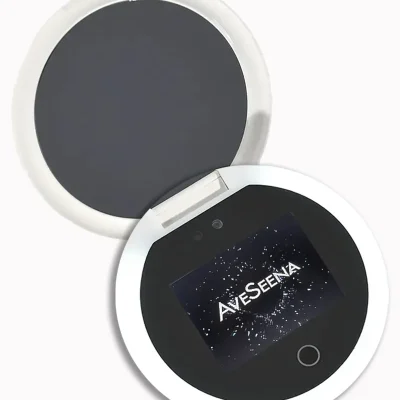
You may also be interested in: ANKA Device, Face and Body Gel Trio Bundle – AveSeena
Sensitive, aging skin often shows the effects of hidden inflammation: dullness, redness, reactivity, and a weakened barrier. Daily stress, pollution, and harsh products can intensify irritation, making skin feel fragile and look older faster. Take Skin Quiz to find the right support for your skin. AveSeena’s immunology-driven formulas, developed by Dr. Ebru Karpuzoglu with 30 years of expertise, help calm visible signs of inflammation, strengthen the skin barrier, and restore a healthier, more resilient glow. Shop Now!
Powered by flareAI.co