Peptides have emerged as one of the most promising ingredients in modern skincare, particularly for those seeking to strengthen skin resilience against daily stressors. As educated consumers explore evidence-based solutions for maintaining youthful, healthy skin, understanding the role of these bioactive compounds becomes essential. Peptides offer targeted support for skin structure and function, making them a valuable addition to routines focused on long-term vitality rather than quick fixes.
Sensitive, aging skin often shows the effects of hidden inflammation: dullness, redness, reactivity, and a weakened barrier. Daily stress, pollution, and harsh products can intensify irritation, making skin feel fragile and look older faster. Take Skin Quiz to find the right support for your skin. AveSeena’s immunology-driven formulas, developed by Dr. Ebru Karpuzoglu with 30 years of expertise, help calm visible signs of inflammation, strengthen the skin barrier, and restore a healthier, more resilient glow. Shop Now!
What Are Peptides in Skincare?
Peptides are short chains of amino acids that serve as building blocks for proteins like collagen and elastin. In skincare formulations, they function as signaling molecules that communicate with skin cells, encouraging natural repair processes. Unlike larger proteins, their smaller size allows better penetration into the upper layers of the skin, where they can interact effectively with fibroblasts and keratinocytes.
Cosmeceuticals represent a category of skincare products that bridge cosmetics and pharmaceuticals by delivering biologically active ingredients capable of producing measurable changes in skin function. Within this category, peptides are frequently discussed as advanced actives due to their ability to influence cellular signaling pathways involved in repair, inflammation modulation, and structural protein synthesis. For those researching cosmeceuticals and bioactive skincare ingredients, peptides stand out because they bridge the gap between cosmetics and more active interventions. They help address visible signs of aging by supporting the skin’s inherent ability to maintain balance between damage and repair. Skin resilience depends heavily on the balance between damage accumulation and repair efficiency, and cosmeceutical peptides aim to improve this balance by supporting collagen formation and reducing the appearance of degradation-related changes such as wrinkles and laxity. These compounds are often formulated to penetrate the upper layers of the skin, where they interact with keratinocytes and fibroblasts to stimulate regenerative activity.
The Role of Peptides in Building Skin Resilience
Skin resilience refers to the skin’s capacity to withstand and recover from environmental challenges such as UV exposure, pollution, and oxidative stress. Over time, these factors can disrupt the extracellular matrix, leading to reduced firmness and increased vulnerability. Peptide-based formulations target this by promoting cellular activities that reinforce structural integrity.
By stimulating pathways involved in tissue repair, peptides contribute to improved skin texture and greater resistance to daily wear. Consistent use helps maintain hydration retention and supports the skin barrier, which is fundamental for overall skin health in demanding urban environments across major U.S. cities.
Collagen-Stimulating Peptides and Their Mechanisms
Research highlights how certain peptides act as messengers to dermal fibroblasts, prompting increased synthesis of collagen types I and III. These structural proteins are vital for skin strength and elasticity. As natural aging and external stressors reduce fibroblast efficiency, the skin gradually loses its bounce and firmness.
Research into bioactive peptides in dermatology has increasingly focused on their role in stimulating dermal remodeling and supporting extracellular matrix integrity. Collagen-stimulating peptides function by acting as signaling molecules that communicate with dermal fibroblasts, encouraging the synthesis of structural proteins such as collagen types I and III, which are essential for maintaining skin strength and elasticity. As intrinsic and extrinsic aging progresses, fibroblast activity declines and collagen degradation accelerates, resulting in reduced skin firmness, increased wrinkling, and diminished resilience to mechanical and environmental stress. According to clinical research on collagen-stimulating peptides, these ingredients can help counteract such changes. Peptide-based interventions aim to counteract these changes by reactivating cellular pathways involved in tissue repair and regeneration. Clinical studies evaluating topical peptide formulations have demonstrated improvements in skin hydration, elasticity, and surface smoothness over sustained use periods, although results can vary depending on peptide type, concentration, and delivery system. Another important mechanism involves the modulation of inflammatory pathways, which can reduce chronic low-grade inflammation associated with skin aging. By improving both structural support and inflammatory balance, peptides contribute to a more stable skin environment that is better able to recover from daily stressors such as UV exposure, pollution, and oxidative damage. This dual action structural support combined with inflammation balance makes peptides particularly effective for those noticing early signs of laxity or fine lines.
Key Benefits of Peptides for Skin Elasticity and Barrier Repair
Users often turn to peptides for skin resilience because of their ability to enhance elasticity and firmness. Improved collagen production translates to skin that feels more supple and looks smoother over time. Many also experience better hydration as peptides help reinforce the skin barrier, reducing moisture loss.
Additional advantages include:
- Support for natural repair processes after sun exposure or environmental irritation
- Reduction in the appearance of wrinkles through sustained structural improvements
- Enhanced overall skin tone and texture when used as part of a comprehensive regimen
- Compatibility with sensitive skin types due to their targeted, non-irritating nature
These benefits align well with the preferences of wellness-focused consumers aged 30–55 who prioritize science-backed ingredients for preventive care.
Peptide Serums and Practical Application in Daily Routines
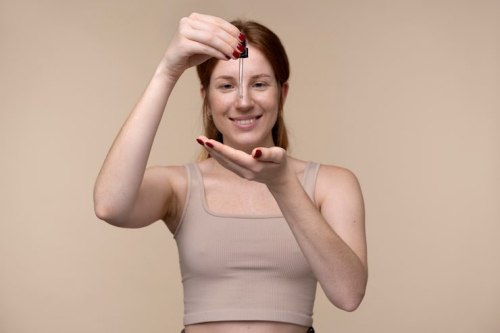
Incorporating peptide serums for face into morning and evening routines allows for consistent delivery of these actives. Many formulas combine peptides with complementary ingredients like antioxidants or hyaluronic acid to maximize results. Application is straightforward: after cleansing, a few drops of serum followed by moisturizer helps lock in benefits.
For optimal outcomes, focus on products with stable formulations and effective delivery systems. Consistency matters more than dramatic short-term changes peptides work gradually to support the skin’s natural regenerative capacity. Those in bustling metropolitan areas like New York, Los Angeles, or Chicago often appreciate this reliable approach to countering urban lifestyle impacts on skin.
Choosing Effective Anti-Aging Peptide Ingredients
When evaluating anti aging peptide ingredients, look beyond marketing claims to formulation quality. Effective peptides are typically paired with technologies that enhance penetration and stability. Different peptide types target specific concerns some focus on collagen production, others on soothing or barrier support.
Consider products that clearly list peptide concentrations and avoid overly complex blends that might compromise efficacy. Dermatologist-recommended options or those backed by clinical insights tend to deliver more predictable results. Pairing peptides with a gentle cleanser, broad-spectrum sunscreen, and lifestyle habits like adequate sleep and hydration creates a synergistic strategy for resilient skin.
Long-Term Skin Health Strategies with Peptides
Peptides shine in long-term skincare plans because they address root causes rather than surface symptoms. By supporting extracellular matrix integrity and cellular communication, they help maintain skin that not only looks better but functions more effectively against ongoing stressors.
Many users report cumulative improvements in skin smoothness and resilience after several months of dedicated use. This makes peptides ideal for those committed to healthy aging. Integrating skin barrier repair peptides alongside other proven actives creates a robust defense system tailored to individual needs.
Professional guidance from skincare specialists can further personalize approaches, ensuring the selected peptides align with specific skin concerns and goals.
In summary, peptides represent a thoughtful advancement in skincare science, offering measurable support for skin resilience through collagen stimulation, barrier enhancement, and repair signaling. For those exploring what are peptides in skincare and their practical value, these ingredients provide a reliable foundation for maintaining vibrant, elastic skin well into the future. By making informed choices and committing to consistent care, individuals can proactively nurture their skin’s natural strength and radiance.
Frequently Asked Questions
What do peptides do for skin resilience and why are they important in skincare?
Peptides are short chains of amino acids that act as signaling molecules, communicating with skin cells to encourage natural repair and structural protein synthesis. They strengthen skin resilience by promoting collagen and elastin production, reinforcing the skin barrier, and modulating inflammation all of which help skin better withstand daily stressors like UV exposure, pollution, and oxidative damage. Their small molecular size allows them to penetrate the upper skin layers and interact directly with fibroblasts and keratinocytes for measurable results.
How do collagen-stimulating peptides help reduce signs of aging?
Collagen-stimulating peptides work by signaling dermal fibroblasts to increase production of collagen types I and III the structural proteins responsible for skin firmness and elasticity. As we age, fibroblast activity naturally declines and collagen degrades faster, leading to wrinkles, laxity, and reduced resilience. Clinical studies have shown that consistent use of topical peptide formulations can improve skin hydration, elasticity, and surface smoothness over time, making them a reliable anti-aging ingredient for those noticing early signs of fine lines or sagging.
How should peptide serums be incorporated into a daily skincare routine?
Peptide serums are best applied twice daily morning and evening after cleansing and before moisturizer, allowing the active ingredients to absorb effectively into the skin. For best results, look for stable formulations that pair peptides with complementary ingredients like hyaluronic acid or antioxidants, and prioritize products that clearly list peptide concentrations. Because peptides work gradually to support the skin’s regenerative capacity, consistency over several months is key to seeing cumulative improvements in smoothness, firmness, and barrier function.
Disclaimer: The above helpful resources content contains personal opinions and experiences. The information provided is for general knowledge and does not constitute professional advice.
You may also be interested in: How Peptides Strengthen Skin Barrier – AveSeena
Sensitive, aging skin often shows the effects of hidden inflammation: dullness, redness, reactivity, and a weakened barrier. Daily stress, pollution, and harsh products can intensify irritation, making skin feel fragile and look older faster. Take Skin Quiz to find the right support for your skin. AveSeena’s immunology-driven formulas, developed by Dr. Ebru Karpuzoglu with 30 years of expertise, help calm visible signs of inflammation, strengthen the skin barrier, and restore a healthier, more resilient glow. Shop Now!
Powered by flareAI.co