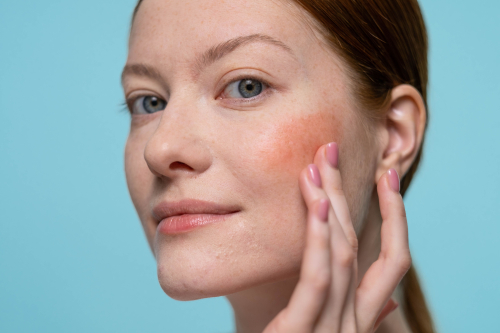
The delicate ecosystem living on your skin plays a far more significant role in your complexion’s health than many realize. For skincare enthusiasts and wellness-focused individuals seeking to address persistent redness, sensitivity, or breakouts, understanding skin microbiome balance offers a science-backed path toward calmer, more resilient skin. This balance directly influences inflammation levels, barrier strength, and overall skin comfort, moving beyond surface-level treatments to address root causes.
Sensitive, aging skin often shows the effects of hidden inflammation: dullness, redness, reactivity, and a weakened barrier. Daily stress, pollution, and harsh products can intensify irritation, making skin feel fragile and look older faster. Take Skin Quiz to find the right support for your skin. AveSeena’s immunology-driven formulas, developed by Dr. Ebru Karpuzoglu with 30 years of expertise, help calm visible signs of inflammation, strengthen the skin barrier, and restore a healthier, more resilient glow. Shop Now!
What Is the Skin Microbiome?
Your skin hosts trillions of microorganisms including bacteria, fungi, and viruses that form a complex community known as the microbiome. These microbes work symbiotically with your body’s cells to maintain the skin barrier, regulate immune responses, and protect against environmental stressors. When this community thrives in diversity and harmony, it helps shield the skin from irritants and supports natural repair processes.
Disruptions to this ecosystem, often called dysbiosis, can compromise the skin’s protective functions. Modern lifestyles, including frequent use of harsh cleansers, antibiotics, and environmental pollutants common in bustling cities like New York or Los Angeles, frequently tip the scales toward imbalance. The result? Heightened vulnerability to inflammatory responses that manifest as redness, itching, or flare-ups.
The skin microbiome plays a central role in modulating local immune responses, influencing the development and severity of inflammatory skin conditions. An imbalance in microbial communities, often termed dysbiosis, can trigger overactive immune signaling, leading to conditions such as eczema, psoriasis, and acne. This interaction is not only limited to pathogenic organisms but also involves the depletion of beneficial microbes that normally maintain barrier function and immune tolerance. Emerging research into skin microbiome and inflammation suggests that interventions aimed at restoring microbial balance, including topical probiotics, prebiotics, and microbiome-friendly skincare routines, may reduce inflammation and improve skin resilience. Understanding the nuanced relationship between microbial diversity and immune regulation provides a foundation for targeted therapies that go beyond symptom management to address root causes.
The Connection Between Microbiome Imbalance and Skin Inflammation
Research highlights the intricate immune-microbiome interactions on skin. Commensal microbes actively educate immune cells, promoting tolerance and preventing overreactions to harmless stimuli. When beneficial bacteria decline and potentially problematic ones increase, immune signaling can become dysregulated, triggering chronic low-grade inflammation.
Interactions between the skin microbiome and the host immune system are critical determinants of skin health and inflammatory status. Commensal microbes actively participate in immune education, promoting tolerance and preventing excessive inflammatory responses. When microbial balance is disrupted, immune cells can overreact to normally harmless stimuli, producing chronic inflammation that contributes to skin disorders such as eczema, psoriasis, and acne. Advanced studies reveal that specific microbial metabolites influence immune signaling, providing potential targets for therapeutic intervention. These insights have driven innovation in both clinical and cosmetic applications, encouraging the design of products that support microbial balance while minimizing inflammatory triggers. Recognizing the bidirectional communication between microbes and immune cells allows for more precise approaches to reducing skin inflammation, emphasizing maintenance of a diverse microbiome as a preventive and restorative strategy.
This process contributes to common concerns such as eczema, psoriasis, and acne. Inflammation not only damages the skin barrier but also accelerates visible signs of aging through oxidative stress and collagen breakdown. For those with reactive or sensitive skin, restoring microbial equilibrium becomes essential for long-term comfort and radiance.
Common Causes of Microbiome Disruption
Several everyday factors challenge skin microbiome balance. Over-cleansing strips away protective oils and microbes, while certain skincare ingredients with strong antimicrobial properties can indiscriminately reduce both harmful and beneficial organisms. Stress, poor sleep, and diets high in processed foods further influence microbial composition through the gut-skin axis.
Environmental elements prevalent across regions like California, Florida, and Texas such as intense sun exposure, humidity fluctuations, and urban pollution add additional pressure. These conditions can shift microbial populations, making the skin more prone to inflammatory episodes. Recognizing these triggers empowers individuals to make targeted adjustments in their routines.
Signs Your Skin Microbiome May Be Imbalanced
Persistent sensitivity, unexplained redness, frequent breakouts, or a tight, reactive feeling after product application often signal dysbiosis. You might notice your skin barrier feels compromised, with increased dryness or flakiness despite moisturizing. These symptoms reflect the immune system’s heightened response to an unstable microbial environment.
Many people in wellness-oriented communities from Boston to Seattle report similar experiences when lifestyle changes or seasonal shifts disrupt their skin’s natural equilibrium. Addressing these signs early through microbiome-supportive practices can prevent escalation into more chronic inflammatory conditions.
Strategies to Restore and Maintain Microbiome Balance
Supporting skin microbiome health requires a thoughtful, gentle approach. Prioritize products formulated with microbiome-friendly ingredients that nourish rather than eradicate microbial life. Prebiotics and postbiotics, for instance, feed beneficial bacteria and reinforce the skin’s natural defenses.
Incorporating probiotic skincare benefits has gained traction among those seeking anti-inflammatory skincare solutions. These formulations help reestablish harmony, strengthening the barrier and reducing reactivity. Gentle cleansing, avoiding hot water, and protecting against UV damage also play crucial roles in preserving microbial diversity.
Practical Tips for a Microbiome-Friendly Routine
Building an effective reactive skin care routine starts with simplicity. Choose pH-balanced, fragrance-free cleansers that respect the skin’s natural ecosystem. Layer in hydrating serums rich in ceramides and soothing botanicals to support barrier repair while fostering microbial health.
Consider weekly applications of masks containing fermented ingredients or mild exfoliants that avoid disrupting the microbiome. Lifestyle practices matter equally: manage stress through mindfulness, maintain a diet rich in fiber and antioxidants, and ensure adequate sleep. These habits collectively promote both gut and skin microbial balance, leading to visibly calmer skin.
For residents in drier climates like Arizona or more humid areas such as Miami, adjusting product textures seasonally helps maintain equilibrium. Lightweight gels in summer and richer creams in winter can prevent environmental stressors from overwhelming the microbiome.
Long-Term Benefits of Prioritizing Microbiome Health
Consistent attention to skin microbiome balance yields compounding rewards. Reduced inflammation translates to fewer flare-ups, improved texture, and a more even tone over time. The strengthened barrier better retains moisture and resists external irritants, diminishing the need for corrective treatments.
Individuals who adopt these principles often describe their skin as more resilient and less reactive to changes in diet, travel, or skincare experiments. This approach aligns with broader wellness trends emphasizing prevention and holistic care, offering sustainable results rather than temporary fixes.
As our understanding of the skin microbiome deepens, it becomes clear that true skin health begins with supporting this invisible ecosystem. By embracing practices that nurture microbial balance, those dealing with skin inflammation can achieve greater comfort, confidence, and radiance. Small, consistent changes in routine and product selection make a profound difference in managing sensitivity and promoting lasting skin wellness.
Frequently Asked Questions
What is the skin microbiome and why does it matter for inflammation?
The skin microbiome is the complex community of trillions of microorganisms bacteria, fungi, and viruses living on your skin. These microbes work alongside your immune cells to maintain the skin barrier, regulate immune responses, and protect against environmental stressors. When this microbial balance is disrupted (a state called dysbiosis), immune signaling can become overactive, triggering chronic inflammation that contributes to conditions like eczema, psoriasis, and acne.
What are the most common causes of skin microbiome imbalance?
Everyday habits like over-cleansing, using harsh antimicrobial skincare ingredients, and applying products with strong fragrances can strip away both harmful and beneficial microbes. Beyond skincare, stress, poor sleep, processed food diets, and environmental factors such as UV exposure, humidity changes, and urban pollution further disrupt microbial communities through the gut-skin axis. Recognizing these triggers is the first step toward building a more microbiome-friendly routine.
How can I restore my skin microbiome balance to reduce redness and sensitivity?
Supporting a healthy skin microbiome starts with gentle, pH-balanced, fragrance-free cleansers that don’t strip the skin’s natural ecosystem. Incorporating skincare products with prebiotics, postbiotics, and probiotic-rich fermented ingredients helps nourish beneficial bacteria and reinforce the skin barrier. Lifestyle habits also play a key role managing stress, eating a fiber-rich diet, getting adequate sleep, and adjusting product textures seasonally all contribute to long-term microbial balance and visibly calmer, more resilient skin.
Disclaimer: The above helpful resources content contains personal opinions and experiences. The information provided is for general knowledge and does not constitute professional advice.
You may also be interested in: Doctor’s Journal The Blog Skincare and Wellness – AveSeena
Sensitive, aging skin often shows the effects of hidden inflammation: dullness, redness, reactivity, and a weakened barrier. Daily stress, pollution, and harsh products can intensify irritation, making skin feel fragile and look older faster. Take Skin Quiz to find the right support for your skin. AveSeena’s immunology-driven formulas, developed by Dr. Ebru Karpuzoglu with 30 years of expertise, help calm visible signs of inflammation, strengthen the skin barrier, and restore a healthier, more resilient glow. Shop Now!
Powered by flareAI.co