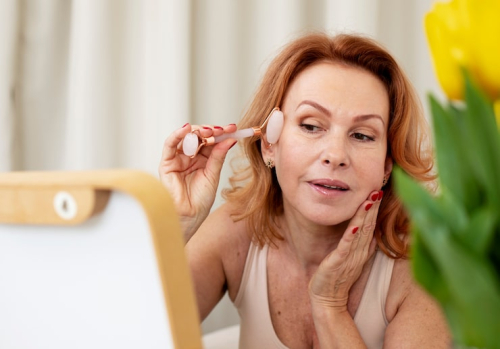
Menopause is a natural phase in a woman’s life, often accompanied by significant changes in skin health and appearance. Many mature women experience dryness, thinning, loss of elasticity, and increased sensitivity during this period, prompting a need for targeted skincare strategies. Understanding the interplay of hormonal changes and skin physiology allows women to adopt routines and products that support resilience, hydration, and overall vitality. In cities like Los Angeles, New York, and Miami, dermatologists and skincare experts are increasingly emphasizing evidence-based interventions tailored to menopausal skin, reflecting a broader trend toward personalized, science-driven care.
Sensitive, aging skin often shows the effects of hidden inflammation: dullness, redness, reactivity, and a weakened barrier. Daily stress, pollution, and harsh products can intensify irritation, making skin feel fragile and look older faster. Take Skin Quiz to find the right support for your skin. AveSeena’s immunology-driven formulas, developed by Dr. Ebru Karpuzoglu with 30 years of expertise, help calm visible signs of inflammation, strengthen the skin barrier, and restore a healthier, more resilient glow. Shop Now!
Understanding Hormonal Skin Changes
The decline of estrogen during menopause significantly influences skin structure and function. Estrogen plays a key role in collagen synthesis, elastin maintenance, and overall dermal thickness. As hormone levels decrease, women may notice thinning skin, reduced elasticity, and a higher susceptibility to wrinkles and irritation. In practical terms, these changes manifest as dryness, flakiness, and an increased sensitivity to environmental factors such as sun exposure and pollution in urban centers like San Francisco and Boston. Addressing these shifts requires not only topical solutions but also lifestyle adjustments, including balanced nutrition, adequate hydration, and sun protection.
Dermatologists in regions such as Chicago and Atlanta note that mature skin often responds better to formulations designed to restore structural integrity while minimizing irritation. Products that incorporate gentle peptides, antioxidants, and barrier-repair ingredients can counteract the visible effects of declining estrogen, improving both texture and firmness. Recognizing the underlying hormonal influences empowers women to adopt proactive skincare measures rather than reacting solely to aesthetic changes.
Emerging Ingredients and Formulations
Recent advances in skincare emphasize ingredients that specifically address menopausal skin concerns. Peptides, retinoids, and growth factors are increasingly used to stimulate collagen production and support tissue regeneration. For instance, clinical studies have demonstrated that targeted topical peptides can enhance collagen synthesis, improving firmness and elasticity in postmenopausal skin collagen and skin health after menopause. Antioxidants, such as vitamin C and E, help mitigate oxidative stress, a major contributor to premature aging, while ceramides and hyaluronic acid enhance moisture retention, which is crucial for sensitive mature skin.
In cities like Miami and Los Angeles, skincare clinics are integrating these advanced formulations into daily routines, often combining serums and moisturizers with complementary lifestyle recommendations. For example, incorporating gentle exfoliation and consistent hydration not only improves skin appearance but also supports long-term structural health. This holistic approach reflects a shift from purely cosmetic interventions toward comprehensive skin wellness for menopausal women.
Non-Invasive Dermatology Treatments
Beyond topical care, non-invasive dermatological procedures have gained traction among women seeking to maintain skin vitality without surgery. Microneedling, radiofrequency therapy, and laser-based treatments have shown promise in stimulating collagen remodeling, improving texture, and enhancing overall skin resilience. These procedures are particularly popular in metropolitan areas such as New York, Beverly Hills, and San Diego, where access to advanced dermatology practices is widespread emerging skincare solutions for mature skin.
Integration of such treatments with evidence-based topical regimens can amplify results. For example, a patient undergoing microneedling may experience improved absorption of peptides and growth factors, supporting a more comprehensive anti-aging strategy. The combination of professional interventions and scientifically formulated skincare offers mature women practical avenues to address multiple layers of skin aging, from surface texture to dermal density.
Hydration and Barrier Repair Strategies
Maintaining hydration is a cornerstone of menopausal skincare, as reduced estrogen often impairs the skin’s natural barrier function. Experts in cities like Boston and Seattle emphasize the use of humectants, occlusives, and emollients in routine care. Hyaluronic acid and glycerin draw water into the skin, while ceramides and plant-derived oils help reinforce the barrier, preventing moisture loss and irritation menopause and skin changes.
Additionally, lifestyle factors such as adequate water intake, humidity control, and gentle cleansing practices contribute significantly to hydration maintenance. Women with sensitive mature skin in urban climates, where pollution and air conditioning can exacerbate dryness, may find targeted moisturization and barrier repair interventions especially beneficial. Regular assessment and adjustment of products to suit seasonal and environmental variations support sustained skin health.
Personalized Menopause Skincare Routines
Establishing a tailored routine is essential for addressing the unique needs of menopausal skin. Skincare professionals in regions such as Washington DC and Scottsdale recommend a regimen that includes gentle cleansing, antioxidant serums, peptide-enriched treatments, and broad-spectrum sun protection. Layering products thoughtfully ensures compatibility and maximizes efficacy while reducing the risk of irritation. Key considerations include sensitivity, skin thickness, and specific concerns such as hyperpigmentation or fine lines.
Practical examples from dermatology practices in Atlanta and Charlotte highlight the benefits of integrating both preventive and restorative measures. For instance, alternating exfoliation days with intensive moisturizing treatments helps maintain cell turnover without compromising barrier function. Similarly, targeted serums addressing elasticity and hydration can be scheduled around professional interventions for optimal results. A consistent, personalized routine empowers mature women to actively manage changes associated with menopause, rather than relying on sporadic or generic solutions.
Nutrition and Lifestyle Support
Scientific evidence underscores the importance of internal support alongside topical care. Protein intake, vitamins such as C and zinc, and a diet rich in antioxidants complement skincare regimens by supporting endogenous collagen synthesis and tissue repair collagen and skin health after menopause. Regular exercise, stress management, and sufficient sleep further enhance skin resilience and appearance, particularly for women balancing professional and personal responsibilities in cities like Houston, Dallas, and San Diego.
Combining these internal strategies with external treatments provides a comprehensive approach to menopausal skin health. The synergy between nutrition, lifestyle, and topical interventions reflects a broader understanding of skin wellness, positioning mature women to achieve long-term improvements in texture, elasticity, and overall comfort.
Expert Insights and Considerations
Dermatologists and skincare specialists across the United States increasingly advocate for evidence-based interventions tailored to hormonal skin changes skin aging and hormonal shifts. Practical insights emphasize combining innovative products with professional treatments and lifestyle adaptations. Women are encouraged to track changes, consult professionals for personalized advice, and remain attentive to skin responses when introducing new ingredients or procedures. This proactive, informed approach minimizes risk and maximizes benefits for sensitive mature skin.
Additionally, awareness of regulatory considerations, particularly in regions adhering to HIPAA, GDPR, or CCPA guidelines, ensures that any health-related recommendations, consultations, or treatments maintain privacy and compliance standards. Mature women seeking advanced skincare solutions can thus access resources and expertise safely, supporting both aesthetic and functional outcomes.
Menopause presents complex challenges for skin health, but emerging solutions provide practical, evidence-driven avenues for maintaining hydration, elasticity, and overall vitality. By understanding hormonal influences, adopting personalized routines, leveraging advanced ingredients, and integrating professional treatments with supportive lifestyle measures, mature women in cities across the United States can proactively address common skin concerns. Combining topical, procedural, and internal strategies empowers women to preserve resilience, enhance appearance, and sustain long-term skin wellness during and beyond the menopausal transition.
Frequently Asked Questions
How does menopause affect skin health and appearance?
During menopause, declining estrogen levels reduce collagen synthesis, elastin maintenance, and overall dermal thickness, leading to thinning skin, loss of elasticity, increased dryness, and greater sensitivity to environmental factors like sun and pollution. These hormonal changes can also cause flakiness and a higher susceptibility to wrinkles and irritation. Addressing these shifts requires a combination of targeted topical products, lifestyle adjustments, adequate hydration, and consistent sun protection.
What skincare ingredients are best for menopausal skin?
The most effective ingredients for menopausal skin include peptides, retinoids, and growth factors to stimulate collagen production and tissue regeneration, along with antioxidants like vitamins C and E to combat oxidative stress. Ceramides and hyaluronic acid are especially important for restoring the skin’s natural moisture barrier and improving hydration. Together, these ingredients help improve firmness, elasticity, and texture in postmenopausal skin.
Are non-invasive dermatology treatments effective for mature skin during menopause?
Yes non-invasive procedures such as microneedling, radiofrequency therapy, and laser-based treatments have demonstrated strong results in stimulating collagen remodeling, refining skin texture, and boosting overall skin resilience without surgery. These treatments work especially well when combined with evidence-based topical regimens, as procedures like microneedling can enhance the absorption of peptides and growth factors. This integrated approach allows mature women to address multiple layers of skin aging, from surface texture to deeper dermal density.
Disclaimer: The above helpful resources content contains personal opinions and experiences. The information provided is for general knowledge and does not constitute professional advice.
You may also be interested in: What Causes Skin Hyperpigmentation? The Science – AveSeena
Sensitive, aging skin often shows the effects of hidden inflammation: dullness, redness, reactivity, and a weakened barrier. Daily stress, pollution, and harsh products can intensify irritation, making skin feel fragile and look older faster. Take Skin Quiz to find the right support for your skin. AveSeena’s immunology-driven formulas, developed by Dr. Ebru Karpuzoglu with 30 years of expertise, help calm visible signs of inflammation, strengthen the skin barrier, and restore a healthier, more resilient glow. Shop Now!
Powered by flareAI.co