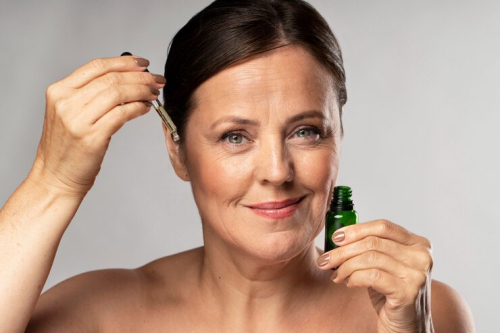
Skincare routines have evolved into precision tools for maintaining radiance as the years pass. Adults in the United States are investing more time and money in face serums that target the specific concerns of mature skin fine lines, loss of firmness, uneven tone, and reduced elasticity. The key to seeing real results lies not in chasing the latest hype but in understanding how to compare serums for aging skin so the product truly aligns with your needs, lifestyle, and skin type. This guide breaks down the process into practical steps, from identifying your goals to evaluating formulation quality and real-world outcomes.
Sensitive, aging skin often shows the effects of hidden inflammation: dullness, redness, reactivity, and a weakened barrier. Daily stress, pollution, and harsh products can intensify irritation, making skin feel fragile and look older faster. Take Skin Quiz to find the right support for your skin. AveSeena’s immunology-driven formulas, developed by Dr. Ebru Karpuzoglu with 30 years of expertise, help calm visible signs of inflammation, strengthen the skin barrier, and restore a healthier, more resilient glow. Shop Now!
Identify Your Primary Skin Concerns First
Start by being honest about what aging skin is telling you. Many people notice crow’s feet deepening around the eyes, or feel the jawline losing its definition. Others experience dryness that no longer responds to regular moisturizers or notice a dullness that comes from years of sun exposure. These are not vague complaints; they are signals that your skin needs targeted support.
Serums work on a different level than creams. They deliver concentrated active ingredients directly into the skin’s surface layers, where they can accelerate cell turnover and stimulate collagen. For dry mature skin, a richer formula paired with plumping emollients can deliver overnight repair. For sensitive skin, blended options with soothing agents calm irritation while still delivering benefits. The comparison process begins here: match the serum’s stated benefits to the exact issue you are seeing on your face right now.
Understand the Science Behind Retinoids and Other Key Ingredients
Retinoids stand out as one of the most reliable ways to combat visible signs of aging because they speed up cell turnover, boost collagen production, and improve overall texture and tone. The challenge is choosing the right formulation for your skin’s tolerance and goals. Retinol requires two enzymatic steps to convert into retinoic acid, while retinaldehyde needs only one. This difference means retinaldehyde-based serums can show results more quickly for many users, but the process must be introduced gradually to avoid irritation.
Encapsulated versions slow the release of the active ingredient, reducing redness and flakiness, which makes them suitable for daily use once your skin builds tolerance. Higher-concentration retinol complexes work especially well for mature skin, delivering noticeable smoothing and firmer contours when paired with soothing ingredients. Dry skin often thrives on richer creams that combine retinol with plumping emollients for overnight repair. Sensitive skin benefits from formulas that include niacinamide and hydrators to calm irritation and lock in moisture. Comparing serums for aging skin means weighing these delivery systems and ingredient synergies rather than chasing the highest number on the label.
How to Choose the Right Serum Type for Your Skin Type
Skin type changes the way a serum performs. Richer, cream-based formulas suit dry or mature skin that needs extra hydration and barrier support. Lightweight, gel-like textures work better for oily or combination skin without clogging pores. Many modern serums are versatile enough to function as both treatment and moisturizer, especially those designed for overnight repair.
The comparison process should include patch testing and gradual introduction. Start with a small amount no more than twice a week, then increase frequency as tolerance builds. Always follow with a moisturizer and sunscreen the next morning. This layered approach maximizes benefits while minimizing the risk of rebound dryness or irritation. When comparing options, look for products that mention encapsulation or stable formulations, because these qualities help the active ingredient reach its target without overwhelming the skin barrier.
Evaluate Formulation Quality and Stability
Price alone does not guarantee effectiveness. Strong concentrations and stable formulas often deliver better results than expensive-looking packaging. Check the active ingredient concentration and how it is delivered encapsulated retinaldehyde, for example, provides controlled release that reduces irritation. Look for additional barrier-supporting components like niacinamide or hydrators that work in tandem with the retinoid.
Results appear gradually. After consistent use over several weeks, you typically notice softer lines, brighter tone, and improved elasticity. The comparison process involves asking whether the serum includes ingredients that support long-term skin health rather than relying on trendy but short-lived actives. Drugstore options provide accessible entry points with effective yet tolerable strengths, while premium picks justify the investment through superior stability and packaging.
Practical Steps to Compare and Select a Serum
Follow a clear comparison process to avoid decision fatigue. First, list your top three concerns fine lines, firmness, or hydration and match them to the serum’s claims. Next, note the active ingredient strength and delivery method. Then consider how the formula feels on your skin and whether it has any added fragrance that could trigger sensitivity. Finally, read real-user feedback that speaks to outcomes over time rather than immediate effects.
- Match potency to your current tolerance level.
- Pair the serum with a consistent routine that includes gentle cleansing and broad-spectrum sunscreen.
- Introduce changes slowly to let your skin adjust.
- Track changes with consistent lighting and clean hands for accurate evaluation.
This methodical approach turns comparison from a confusing task into a straightforward decision that fits your lifestyle and goals.
Real-world Insights From Expert Reviews
Independent testing of dozens of retinol products provides valuable perspective on what actually works for different skin types. One standout option features encapsulated retinaldehyde in six adjustable strengths, starting gentle enough for sensitive skin and ramping up for longtime users without overwhelming the barrier. Another high-strength retinol complex for mature skin softened and smoothed lines over six weeks with no dryness or redness, even when used five times a week. A sensitive-skin formula topped with moisturizers like niacinamide and squalane allowed daily use for some testers, delivering smoother texture and less noticeable nasolabial folds.
These examples illustrate that the right serum can deliver measurable improvements in appearance and feel when chosen with attention to your specific needs. The science-backed guidance helps select products that turn skincare into a practical system for long-term skin health.
Build a Sustainable Routine Around Your Chosen Serum
Comparison is only the beginning. Once you select a serum that addresses your concerns, integrate it thoughtfully into the rest of your routine. Use it at night as the active treatment, followed by a hydrating moisturizer. In the morning, pair it with a gentle cleanser and broad-spectrum sunscreen to protect against further damage. This simple structure supports consistent results without overwhelming the skin.
Re-evaluate every three to six months as your skin continues to change. What worked at age 45 may need a slight adjustment by 55. The key is maintaining patience and consistency rather than chasing the next new product. When you approach serums for aging skin with this balanced mindset, you invest in results that last.
Make Informed Choices That Support Your Skin’s Future
Comparing serums for aging skin empowers you to take control of your skincare journey. By focusing on your actual concerns, understanding the science behind retinoids, matching formulas to your skin type, and evaluating formulation quality, you can find products that deliver real, visible benefits. Start with one targeted serum, introduce it gradually, and pair it with the right supporting routine. The result is not only smoother, firmer, and brighter skin but also a sustainable approach to skincare that respects your skin’s natural changes over time. This thoughtful process helps you enjoy the confidence that comes from knowing your routine is working exactly as intended.
Expert Insights on Choosing Face Serums for Aging Skin
Shopping for serums aimed at aging skin can feel overwhelming with hundreds of options promising everything from smoother texture to firmer contours. The key starts with pinpointing exactly what your skin needs right now whether it’s firmness, hydration, or brightening from sun damage. Instead of chasing the latest buzzword, focus on ingredients that deliver proven results for your specific concerns. Retinol and retinoids stand out for speeding up cell turnover and boosting collagen, while peptides strengthen elasticity, antioxidants combat free radicals from environmental stress, and peptides work in tandem to lift sagging skin. Skin types matter too: richer formulas suit dry mature skin, while lightweight options fit oily or combination types without clogging pores.
Price alone doesn’t guarantee effectiveness, as strong concentrations and stable formulas often outperform expensive hype. Start slow with one active ingredient to avoid irritation, and always follow with moisturizer. Patch testing and consulting a dermatologist helps tailor choices safely, especially for sensitive skin or those starting in their 40s and beyond. This approach turns comparison into a simple process of matching needs to science-backed actives, leading to real improvements in radiance, texture, and firmness over consistent use.
Frequently Asked Questions
What should I look for when comparing serums for aging skin?
When comparing serums for aging skin, focus on your main concerns such as fine lines, firmness, hydration, and uneven tone. Look for proven ingredients like retinoids, peptides, niacinamide, antioxidants, and stable formulations that match your skin type and tolerance level.
Is retinol or retinaldehyde better for mature skin and anti-aging results?
Both retinol and retinaldehyde can improve signs of aging by supporting collagen production and skin renewal. Retinaldehyde may work faster for some users because it requires fewer conversion steps, while encapsulated retinol can be a gentler option for those building tolerance.
How do I choose the best face serum for my skin type and aging concerns?
The best face serum for aging skin depends on whether your skin is dry, sensitive, oily, or combination, along with your specific goals. Choose richer hydrating formulas for dry mature skin, lightweight options for oily skin, and introduce active ingredients gradually with moisturizer and sunscreen for better results.
Disclaimer: The above helpful resources content contains personal opinions and experiences. The information provided is for general knowledge and does not constitute professional advice.
You may also be interested in: Category: Gifts & Sets | AveSeena
Sensitive, aging skin often shows the effects of hidden inflammation: dullness, redness, reactivity, and a weakened barrier. Daily stress, pollution, and harsh products can intensify irritation, making skin feel fragile and look older faster. Take Skin Quiz to find the right support for your skin. AveSeena’s immunology-driven formulas, developed by Dr. Ebru Karpuzoglu with 30 years of expertise, help calm visible signs of inflammation, strengthen the skin barrier, and restore a healthier, more resilient glow. Shop Now!
Powered by flareAI.co