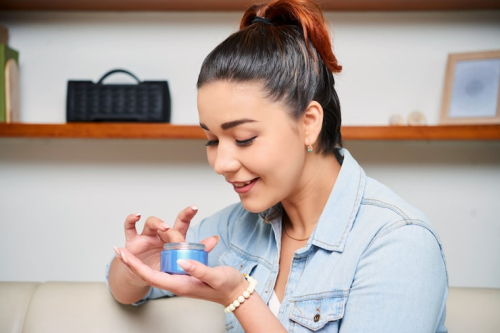
Healthy skin starts with a strong barrier that keeps moisture in and outside irritants out. Many people across the United States deal with dryness, redness, or tightness during cold months, hot summers, or simply from daily stress. Choosing the right products can make a real difference in how resilient and comfortable skin feels. Understanding what actually works behind the scenes helps you avoid products that promise more than they deliver.
Sensitive, aging skin often shows the effects of hidden inflammation: dullness, redness, reactivity, and a weakened barrier. Daily stress, pollution, and harsh products can intensify irritation, making skin feel fragile and look older faster. Take Skin Quiz to find the right support for your skin. AveSeena’s immunology-driven formulas, developed by Dr. Ebru Karpuzoglu with 30 years of expertise, help calm visible signs of inflammation, strengthen the skin barrier, and restore a healthier, more resilient glow. Shop Now!
Understanding Skin Barrier Function and Why It Matters
The skin barrier acts as a protective shield made up of lipids, proteins, and a tightly packed layer of cells. When this barrier is intact, skin holds onto hydration and stays balanced. When it is compromised, water loss increases and skin becomes more sensitive to everything from cold weather to harsh cleansers.
In winter, for example, cold temperatures, wind, and low humidity can strip away natural moisture, leaving skin vulnerable to dryness and irritation. Dermatologists highlight the need to reinforce the barrier during these seasonal shifts through supportive formulas that repair and hydrate without stripping the surface.
Recognizing this function shifts the focus from treating symptoms to building long-term resilience. Products that support the barrier repair skin at the surface level, providing soothing effects and hydration rather than deep absorption of larger molecules like oils, silicones, and waxes. This surface-level protection is often more effective for most concerns because it seals in moisture and reduces water loss without overwhelming the skin.
Key Signs That Your Skin Barrier Needs Support
Pay attention to common signals that the barrier may be struggling. Dryness and tightness that lingers despite regular moisturizing. Redness, flakiness, or stinging after exposure to products you have used for years. Increased sensitivity to weather changes or everyday irritants. These are not random inconveniences but clear messages from skin that the protective layer is compromised.
People in humid climates like Miami or dry air in places like Chicago may experience different patterns, yet the core indicators remain the same: compromised comfort, visible irritation, or uneven texture. Addressing these early prevents the cycle of further damage and helps restore balance faster.
How to Choose Skin Barrier Support Products That Actually Deliver
Selecting the right formulas starts with matching ingredients to your skin’s specific needs rather than chasing trends. Look for products that reinforce the natural lipid layer and provide gentle, non-irritating support. Avoid heavy formulas that sit on top without any repair benefit or those loaded with harsh preservatives that can further disrupt balance.
Effective choices often include gentle cleansers that do not strip natural oils, humectants that draw in moisture, and occlusives that lock it in. The combination of these layers creates a barrier that mimics what skin does naturally. Dermatologist-recommended approaches emphasize this multi-step reinforcement, particularly during periods when the barrier is under stress.
Read labels carefully. Ingredients like ceramides, cholesterol, fatty acids, and certain plant-based emollients help rebuild the protective structure. Panthenol, for instance, has been shown to boost repair and hydration within 48 hours when paired with gentle cleansers and rich moisturizers. These targeted ingredients turn a good routine into a truly supportive one.
Top Ingredients That Support Skin Barrier Repair
Ceramides are among the most effective building blocks because they replicate the lipids naturally found in the skin barrier. They help restore the structure and improve the look of firmness and smoothness. Many clean skincare lines now incorporate these alongside supportive plant extracts for added calming effects.
Humectants such as glycerin or hyaluronic acid attract and hold moisture, while occlusives like squalane or shea butter seal the surface to prevent evaporation. The combination works best when layered properly in the routine. For those managing sensitivities, formulas that avoid fragrance and essential oils reduce the risk of additional irritation.
Research on skin penetration dynamics explains why many ingredients stay on the surface. Larger molecules form protective layers that enhance hydration and reduce loss, which is why surface support often outperforms claims of deep absorption. This insight guides smarter selections toward options that complement your overall health and lifestyle.
- Ceramides for structural repair
- Humectants for moisture attraction
- Occlusives for surface sealing
- Gentle plant-based emollients that mimic skin’s natural components
Building an Effective Daily Skincare Routine for Barrier Strengthening
A supportive routine follows a simple structure: cleanse gently, treat with targeted support, moisturize richly, and protect from environmental stress. Start with a mild cleanser that removes dirt without disturbing the barrier. Follow with a repair serum or treatment if needed, then apply a thick moisturizer with ceramides or occlusives.
Layering humectants with occlusives creates a multi-layer effect that locks in moisture more effectively than single products. In winter, this approach helps counteract the increased transepidermal water loss caused by cold and wind. During summer months in sunny cities like Los Angeles or Miami, lightweight versions with broad-spectrum sunscreen maintain the barrier without heaviness.
Consistency matters more than intensity. Applying products at the same times each day builds the habit that strengthens the barrier over weeks and months. Adjust for your climate and skin type, but keep the core principles of gentle cleansing and rich hydration at the center.
Practical Tips for Choosing and Using Barrier Support Products
Patch test new products on a small area first to ensure they do not cause reactions. Introduce one new item at a time so you can identify what works and what does not. Store products properly to maintain their effectiveness and avoid contamination.
Consider your environment. In air-conditioned offices or heated homes, skin can lose moisture even indoors. Products with strong occlusive properties help here. For those in humid regions, lighter moisturizers prevent breakouts while still supporting the barrier.
Consult a dermatologist when sensitivities persist or if you have chronic conditions. They can help tailor routines to your specific needs and rule out underlying issues. Evidence-based approaches from dermatologists provide a solid foundation for year-round barrier maintenance.
Common Mistakes to Avoid When Selecting Skincare Products
Many people chase the newest “miracle” ingredients without understanding how they interact with the skin. Overloading the barrier with multiple strong actives at once can worsen sensitivity. Ignoring the need for simple, effective formulas leads to frustration and wasted money.
Skipping patch tests or assuming all “clean” products are suitable for compromised barriers can cause issues. Always prioritize gentle, non-irritating options that support rather than disrupt the skin’s natural processes. The goal is resilience, not temporary fixes.
Another pitfall is relying solely on deep-absorbing serums when surface support is more appropriate. Understanding penetration limits helps avoid wasted efforts and leads to consistent, visible improvements in comfort and appearance.
Measuring Results and Adjusting Your Approach
Track changes over four to six weeks using simple methods like photos, daily comfort notes, or a journal. Focus on texture, tightness, redness, and overall comfort rather than chasing trends. Adjust ingredients or routines based on what actually improves your skin rather than what the packaging suggests.
If progress stalls, simplify the routine temporarily or consult a professional. The barrier often responds best to consistent, supportive care over dramatic changes. With the right products and approach, many people see smoother, more resilient skin that feels comfortable even in challenging weather.
This understanding of skin barrier support empowers more confident choices and healthier-looking results. Whether you are dealing with winter dryness, summer sensitivity, or year-round stress, taking time to evaluate ingredients and routines pays off in better daily comfort and appearance.
Research on skin penetration dynamics explains why many ingredients stay on the surface. Larger molecules form protective layers that enhance hydration and reduce loss, which is why surface support often outperforms claims of deep absorption. This insight guides smarter selections toward options that complement your overall health and lifestyle.
Understanding what actually penetrates the skin barrier reveals why many skincare ingredients stay on the surface rather than entering the bloodstream, shaping how consumers select products for effective barrier support. Larger molecules like oils, silicones, and waxes form protective layers that seal moisture and reduce water loss without deep absorption, making them reliable for barrier repair. This reality means that benefits come from surface-level actions, such as soothing irritation or enhancing hydration, rather than systemic delivery, which influences choices toward formulas that deliver targeted benefits like anti-inflammatory effects or lipid replenishment. Research on penetration dynamics explains the preference for gentle, non-irritating ingredients that avoid overloading the barrier, such as certain humectants or plant-based emollients that mimic natural skin components.
For barrier-focused routines, this insight emphasizes selecting products with ingredients that reinforce the outer layer’s integrity, preventing the very disruptions that lead to sensitivity or dryness. It also highlights why some claims of deep absorption are overstated, guiding users toward evidence-based options that complement internal health and lifestyle factors. Ultimately, this perspective supports smarter product decisions that prioritize barrier protection over unproven claims, leading to healthier, more resilient skin that better withstands daily environmental pressures. The implications extend to broader skincare education, where recognizing penetration limits helps avoid wasted efforts and fosters routines that deliver consistent, visible improvements in comfort and appearance.
What Can You Absorb Through Your Skin? Insights on Barrier Penetration
Winter conditions exacerbate skin barrier vulnerabilities through cold, wind, and low humidity, increasing transepidermal water loss and making skin more prone to dryness and sensitivity. Dermatologists emphasize incorporating ingredients like panthenol, which boosts repair and hydration within 48 hours, alongside gentle cleansers and rich moisturizers to counteract these effects. This guidance underscores the need for routines that prioritize barrier reinforcement during seasonal changes, avoiding stripping products that worsen the issue. By focusing on supportive formulas, consumers can maintain skin health year-round, particularly if they experience compromised barriers from previous harsh treatments or environmental factors. The advice highlights practical steps such as layering humectants with occlusives to lock in moisture, which aligns with scientific understanding of multi-layer barrier restoration.
It also addresses individual needs, where certain skin types benefit more from specific combinations, promoting personalized yet evidence-based selections. This approach not only treats winter dryness but prevents recurrent problems by building long-term resilience against common triggers. For those managing chronic sensitivities, these recommendations provide a foundation for routines that reduce irritation and support natural recovery, leading to softer, more balanced skin even in harsh climates. The insights from expert input translate directly to actionable product criteria, empowering informed choices that deliver measurable improvements in comfort and appearance without relying on temporary fixes.
Frequently Asked Questions
What ingredients should I look for in products that support the skin barrier?
Look for skin barrier support ingredients such as ceramides, cholesterol, fatty acids, glycerin, hyaluronic acid, panthenol, and gentle plant-based emollients. These ingredients help restore lipids, attract moisture, and protect the skin’s surface from dryness and irritation.
How do I choose the best skincare products for a damaged or compromised skin barrier?
Choose gentle, non-irritating products that focus on hydration and barrier repair rather than harsh active ingredients. A good routine usually includes a mild cleanser, moisture-binding humectants, and occlusive ingredients that help reduce water loss and improve skin comfort.
How long does it take to repair a damaged skin barrier with the right skincare routine?
Many people notice improvements in dryness, tightness, and sensitivity within a few weeks of consistent barrier-supporting skincare. Tracking changes over four to six weeks can help determine whether your products are improving skin texture, hydration, and overall resilience.
Disclaimer: The above helpful resources content contains personal opinions and experiences. The information provided is for general knowledge and does not constitute professional advice.
You may also be interested in: Why Hydration Alone Is No Longer the Goal of Modern Moisturizers
Sensitive, aging skin often shows the effects of hidden inflammation: dullness, redness, reactivity, and a weakened barrier. Daily stress, pollution, and harsh products can intensify irritation, making skin feel fragile and look older faster. Take Skin Quiz to find the right support for your skin. AveSeena’s immunology-driven formulas, developed by Dr. Ebru Karpuzoglu with 30 years of expertise, help calm visible signs of inflammation, strengthen the skin barrier, and restore a healthier, more resilient glow. Shop Now!
Powered by flareAI.co