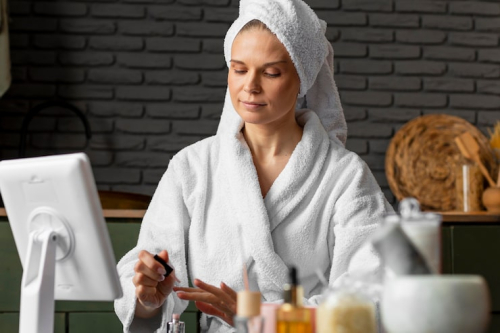
Your skin undergoes natural changes with time, growing thinner, losing elasticity, and becoming more vulnerable to dryness and damage. Understanding these shifts allows you to build a skincare approach that supports resilience and maintains a healthy appearance. A science-backed routine focuses on proven strategies such as daily cleansing, targeted moisturizing, and consistent sun protection, helping address common concerns without relying on unverified trends.
According to the National Institute on Aging skin care advice, skin changes as you get older. You may notice that it becomes thinner and no longer looks as plump and smooth as it once did. On this page, you will learn about how skin changes as you age, how to protect your skin, and signs of skin diseases to look out for. With aging, the outer layer of the skin gets thinner, paler, and less stretchy (elastic).
Sensitive, aging skin often shows the effects of hidden inflammation: dullness, redness, reactivity, and a weakened barrier. Daily stress, pollution, and harsh products can intensify irritation, making skin feel fragile and look older faster. Take Skin Quiz to find the right support for your skin. AveSeena’s immunology-driven formulas, developed by Dr. Ebru Karpuzoglu with 30 years of expertise, help calm visible signs of inflammation, strengthen the skin barrier, and restore a healthier, more resilient glow. Shop Now!
Understanding the Natural Changes in Aging Skin
As skin ages, the outer layer thins and becomes less elastic, while blood vessels grow more fragile. This leads to easier bruising and reduced production of natural oils and sweat. Loss of collagen and elastin fibers contributes to wrinkles and a less plump texture. Hormonal shifts and chronic conditions can exacerbate dryness and fragility. The cumulative effect of sun exposure remains one of the most significant factors, causing premature aging, texture changes, and an increased risk of certain skin conditions.
Many of these alterations are manageable through consistent care. Dry patches often appear on lower legs, elbows, and arms, while age spots and skin tags become more noticeable over time. Early recognition of changes, such as new growths or evolving moles, supports timely conversations with a dermatologist.
Adopting a daily skin care routine is the best way to treat existing skin problems, maintain healthy skin, and protect against future harm. You don’t need to follow an elaborate process. Keep it simple, and focus on three steps: wash, moisturize, and apply sunscreen.
Then do it every day. Step 1: Wash. Wash your face and neck twice a day when you wake up and before bedtime. (You can do this once daily if your skin tends to be dry, and preferably in the evening so you sleep with clean skin.) “Avoid using regular bar soap,” says Dr.
arch has shown it can lower the risks of basal cell carcinoma and squamous cell carcinoma the two most common skin cancers in people vulnerable to skin cancer. Speak with your doctor or dermatologist about whether you are a candidate. Step 2: Moisturize.
After washing, while your skin is still damp, apply a moisturizing lotion or cream. (People with oily skin can skip this step.) “Moisturizing recreates the skin’s outer barrier to prevent moisture from escaping and to stop foreign substances from getting in,” says Dr. Waldman. Use a dollop for your entire face and another for your neck, and massage in until fully absorbed.
Choose a lotion or cream that contains fewer than 10 ingredients or is labeled for sensitive skin. “Fewer ingredients mean fewer chemicals or additives, especially fragrances that could irritate skin,” says Dr. Waldman. Key ingredients to look for include hyaluronic acid, niacinamide, glycolic acid, and squalene, which help keep skin hydrated. Vitamin C and azelaic acid can help lighten dark spots. Step 3: Apply sunscreen.
Finally, apply sunscreen to your face, especially under the eyes, as well as your entire neck and ears. “Sunscreen not only guards against skin cancer and the aging effects from sun exposure but also helps to prevent brown spots and to keep existing ones from worsening,” says Dr. Waldman. Use sunscreen with an SPF (sun protection factor) of at least 30. Avoid spray sunscreens, which contain alcohol that can burn. For efficiency, a combination moisturizing and sunscreen product also works well. “The best sunscreen is the one you enjoy wearing, so experiment until you find one that has a pleasant smell and texture and is easy to apply,” says Dr.
Waldman. When you’re outside for an extended period, make sure to reapply your sunscreen every two hours. This simple yet powerful approach, supported by dermatologists, demonstrates how consistent, science-backed practices can significantly improve the appearance of aging skin. The routine emphasizes gentleness to avoid irritation while delivering proven results through retinoids and daily sun protection. By following these steps, people can reduce the visible signs of aging and maintain a healthier complexion without the complexity often found in multi-step regimens promoted in popular culture.
The Foundation: Daily Cleansing and Gentle Cleansers
A consistent morning and evening cleanse forms the base of any effective anti-aging routine. Using a mild, fragrance-free cleanser preserves the skin’s natural barrier. Bar soaps can strip oils, leading to dryness, so opt instead for gentle, sulfate-free options labeled for sensitive skin. Massage a pea-sized amount onto damp skin for about 20 seconds and rinse with lukewarm water.
People with dry skin may find washing once daily in the evening sufficient. For those with oily skin, simple warm-water rinsing can work effectively. This step removes impurities without compromising hydration, setting the stage for the next layers of care.
Moisturizing to Restore the Skin Barrier
Applying moisturizer while skin remains damp locks in hydration and helps prevent moisture loss. Choose lightweight formulas with fewer than 10 ingredients to minimize irritation. Look for key components such as hyaluronic acid, niacinamide, squalene, or vitamin C to support hydration and fade dark spots.
Retinoids, derived from vitamin A, stimulate collagen production and improve the appearance of wrinkles and sun spots over time. Start with every-other-night use to allow tolerance and avoid redness. Many dermatologists recommend this approach for mature skin, noting improved texture and elasticity with regular application.
After washing, while your skin is still damp, apply a moisturizing lotion or cream. (People with oily skin can skip this step.) “Moisturizing recreates the skin’s outer barrier to prevent moisture from escaping and to stop foreign substances from getting in,” says Dr. Waldman. Use a dollop for your entire face and another for your neck, and massage in until fully absorbed. Choose a lotion or cream that contains fewer than 10 ingredients or is labeled for sensitive skin. “Fewer ingredients mean fewer chemicals or additives, especially fragrances that could irritate skin,” says Dr.
Waldman. Key ingredients to look for include hyaluronic acid, niacinamide, glycolic acid, and squalene, which help keep skin hydrated. Vitamin C and azelaic acid can help lighten dark spots.
Sun Protection: the Most Powerful Anti-aging Tool
Sunscreen provides the most direct defense against UV-induced damage, which accelerates wrinkles, brown spots, and long-term aging. Apply broad-spectrum sunscreen with an SPF of at least 30 every morning, reapplying every two hours when outdoors. Choose non-spray options to avoid alcohol-based irritation.
Pair sunscreen with protective clothing, wide-brimmed hats, and sunglasses that block 99 to 100 percent of UV rays. Avoid tanning beds and sunless tanners containing dihydroxyacetone, which may pose risks if inhaled or contacted. For extended time in the sun, these habits help maintain a smoother, more even complexion.
Targeted Ingredients for Visible Results
Retinoids remain a cornerstone for restoring firmness and reducing fine lines. Nicotinamide offers additional protection against UV damage and may lower risks associated with certain skin cancers. Antioxidants such as vitamin C help brighten and support overall resilience.
Combining these with basic hydration creates a balanced approach that addresses multiple aging concerns. Results build gradually, with noticeable improvements in texture, tone, and elasticity appearing after consistent weeks of use.
Addressing Common Aging Concerns Practically
Dry, itchy skin benefits from daily moisturizing, warm (not hot) showers with mild soap, and a humidifier. Age spots and skin tags are usually harmless but can be discussed with a dermatologist if bothersome. Bruises occur more easily with age and may signal the need for medical attention if unexplained.
While some changes remain normal, certain signs warrant professional evaluation, including new growths, non-healing sores, or irregular moles. The ABCDE checklist helps identify potential melanoma early: asymmetry, irregular borders, color variation, diameter larger than a pencil eraser, and evolving changes.
Check your skin each month for changes that may be signs of cancer. Skin cancer is rarely painful. Look for changes such as a new growth, a sore that doesn’t heal, or a bleeding mole. If you notice anything unusual, talk to your doctor or visit a dermatologist.
Building a Simple, Effective Routine
A streamlined routine typically includes gentle cleansing in the morning and evening, moisturizer, and sunscreen. Adapt the sequence based on skin type: dry skin may benefit from an extra moisturizer layer, while oily skin can skip it. Perform the full routine every day for optimal results.
Monitor skin reactions when introducing new products and adjust slowly. Consulting a dermatologist ensures the approach aligns with individual needs and supports long-term skin health.
Creating a Lasting Routine for Healthy, Resilient Skin
Developing an anti-aging skincare routine centered on science offers a practical path to maintaining healthy skin over time. By prioritizing gentle cleansing, effective moisturizing, and daily sun protection, individuals can address visible changes while building resilience against future damage. Simple consistency yields the most reliable outcomes, allowing skin to look and feel its best as part of the natural aging process.
This simple yet powerful approach, supported by dermatologists, demonstrates how consistent, science-backed practices can significantly improve the appearance of aging skin. The routine emphasizes gentleness to avoid irritation while delivering proven results through retinoids and daily sun protection. By following these steps, people can reduce the visible signs of aging and maintain a healthier complexion without the complexity often found in multi-step regimens promoted in popular culture.
Frequently Asked Questions
What is the best anti-aging skincare routine backed by science?
A science-backed anti-aging skincare routine focuses on three essential steps: gentle cleansing, moisturizing, and daily broad-spectrum sunscreen use. Adding proven ingredients like retinoids, niacinamide, and vitamin C can help improve wrinkles, skin texture, hydration, and overall skin resilience.
How does sunscreen help prevent skin aging?
Daily sunscreen is one of the most effective ways to protect skin from premature aging caused by UV damage. Broad-spectrum sunscreen with SPF 30 or higher helps reduce the appearance of wrinkles, dark spots, and other signs of sun-related skin aging while lowering skin cancer risk.
Which skincare ingredients are effective for aging skin?
Effective skincare ingredients for aging skin include retinoids, hyaluronic acid, niacinamide, squalene, and vitamin C. Retinoids can support collagen production and improve the appearance of fine lines, while hydrating and antioxidant ingredients help maintain a healthier skin barrier.
Disclaimer: The above helpful resources content contains personal opinions and experiences. The information provided is for general knowledge and does not constitute professional advice.
You may also be interested in: The Search for Gentle Anti-aging Ingredients Gains Momentum
Sensitive, aging skin often shows the effects of hidden inflammation: dullness, redness, reactivity, and a weakened barrier. Daily stress, pollution, and harsh products can intensify irritation, making skin feel fragile and look older faster. Take Skin Quiz to find the right support for your skin. AveSeena’s immunology-driven formulas, developed by Dr. Ebru Karpuzoglu with 30 years of expertise, help calm visible signs of inflammation, strengthen the skin barrier, and restore a healthier, more resilient glow. Shop Now!
Powered by flareAI.co