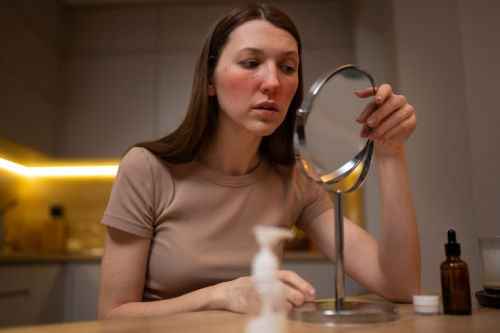
How skin looks and feels over time is influenced by many interconnected factors, and inflammation is increasingly recognized as an important part of that conversation. While inflammation is a natural biological response that helps protect the body, ongoing low-level inflammation can affect skin resilience, texture, and visible signs associated with aging. Understanding the relationship between inflammation and skin aging can help people make more informed choices about skincare routines, daily habits, and long-term skin health.
Sensitive, aging skin often shows the effects of hidden inflammation: dullness, redness, reactivity, and a weakened barrier. Daily stress, pollution, and harsh products can intensify irritation, making skin feel fragile and look older faster. Take Skin Quiz to find the right support for your skin. AveSeena’s immunology-driven formulas, developed by Dr. Ebru Karpuzoglu with 30 years of expertise, help calm visible signs of inflammation, strengthen the skin barrier, and restore a healthier, more resilient glow. Shop Now!
Understanding the Connection Between Inflammation and Skin Aging
Inflammation is part of the body’s normal defense system. When the skin experiences stress from environmental exposure, irritation, or internal factors, inflammatory responses can help initiate repair. The challenge occurs when these responses remain activated for extended periods. This ongoing process can influence how the skin behaves over time, contributing to concerns such as uneven texture, sensitivity, and changes in overall appearance.
The relationship between inflammation and skin aging is often discussed through the concept of gradual, low-level inflammatory activity that develops as the body ages. This process may affect the skin’s ability to maintain a strong barrier and recover from everyday stressors. Over time, the visible effects can include reduced radiance, increased dryness, and a complexion that appears less balanced.
Skin aging is not caused by a single factor. Genetics, lifestyle patterns, environmental exposure, skincare practices, and overall wellness all influence how skin changes. Inflammation is one piece of this larger picture, offering insight into why supporting skin health requires more than addressing surface-level concerns.
How Chronic Inflammation Can Influence Skin Appearance
Chronic inflammation effects on skin are often connected to changes in the skin’s structure and protective functions. When inflammatory activity continues over time, it may place additional stress on the systems responsible for maintaining firmness, hydration, and recovery.
Research and expert discussions around aging skin highlight the role of persistent inflammation in visible changes such as dryness, sensitivity, and reduced elasticity. A detailed explanation of how the body’s inflammatory processes interact with aging and skin health can be found in managing chronic inflammation for healthier skin, which discusses how factors including diet, stress, sleep disruption, and environmental influences may affect inflammation levels. As the body ages, chronic inflammation tends to increase, manifesting in ways that directly affect skin appearance through dryness, rashes, reduced elasticity, and slower recovery from daily stressors. This persistent inflammatory state, driven by factors like diet, stress, sleep disruption, and environmental exposures, accelerates changes in skin texture and tone over the years. Acute inflammation serves a protective role in healing, but when it becomes ongoing, it contributes to collagen degradation and barrier weakness, leading to more pronounced lines, dullness, and sensitivity.
Lifestyle adjustments play a powerful part in countering these effects, with anti-inflammatory foods such as berries, leafy greens, fatty fish, and nuts helping to combat oxidative stress that harms skin cells. Regular physical activity, adequate rest, weight management, and stress reduction further support the body’s ability to keep inflammation in check. For skin-specific benefits, these habits translate to improved hydration, fewer flare-ups, and a more even, vibrant complexion that holds up better against time. Incorporating such strategies into daily routines offers a practical way to address the root causes of premature aging signs, empowering individuals to take control of their skin’s long-term health and appearance through sustainable, everyday choices rather than relying solely on topical products.
For many people, the impact is not immediate. Instead, inflammatory stress can gradually influence the way skin responds to daily challenges. A complexion that once recovered quickly from environmental stress may become more reactive, while signs such as uneven tone or rough texture may become more noticeable.
This does not mean inflammation should be eliminated. Healthy inflammation remains essential for protection and healing. The goal is supporting balance so that the skin can maintain its natural repair processes without prolonged inflammatory stress interfering with its appearance.
Visible Signs of Skin Inflammation and Aging
Understanding skin inflammation and appearance starts with recognizing the ways inflammation may show up on the surface. Although every person’s skin responds differently, common visible concerns associated with inflammatory stress can include redness, sensitivity, dryness, uneven texture, and a lack of the healthy-looking glow many people associate with balanced skin.
Skin redness and inflammation causes can vary widely. Environmental factors, lifestyle choices, skincare ingredients, and individual skin characteristics may all influence how reactive the skin appears. When the skin barrier becomes compromised, it may have more difficulty maintaining hydration and protecting itself from external stressors.
The skin barrier plays a central role in maintaining a comfortable and healthy-looking complexion. A weakened barrier can make skin feel more sensitive and may contribute to cycles where irritation leads to additional visible concerns. This is why many modern skincare approaches focus on supporting barrier function rather than only targeting individual signs of aging.
Another important consideration is that inflammation may extend beyond what is immediately visible. The relationship between skin and overall health has been explored through the concept of inflammaging, where age-related inflammatory processes may influence both skin condition and broader biological changes. The connection between skin changes and systemic inflammation is discussed in the role of skin in systemic inflammaging, highlighting how skin can participate in wider inflammatory processes.
Chronic low-grade inflammation, often referred to as inflammaging, plays a central role in how skin changes over time and influences overall appearance. As skin ages or sustains damage from factors like UV exposure, it releases inflammatory cytokines and chemokines that not only accelerate local breakdown of collagen and elastin but also contribute to a feedback loop of thinning, wrinkling, and loss of elasticity. This process extends beyond the skin’s surface, with senescent cells in aged or photo-damaged skin producing additional inflammatory signals that enter the bloodstream.
The result is a systemic effect that can exacerbate visible signs of aging such as uneven tone, dryness, and reduced firmness while potentially linking to broader health concerns. For skincare enthusiasts and those focused on long-term skin health, understanding this connection highlights the importance of proactive barrier support and protection against environmental stressors. Maintaining skin hydration and integrity through consistent routines can help mitigate these inflammatory responses, preserving a more youthful appearance by interrupting the cycle of damage and inflammation. This perspective underscores why strategies targeting micro-inflammation are gaining traction in modern skincare, offering a science-based approach to supporting skin resilience as years accumulate. Readers exploring how daily habits impact skin over decades will find that addressing inflammation early can yield noticeable benefits in texture, radiance, and structural integrity.
Lifestyle Factors That Support Healthier-looking Skin
Addressing how to reduce skin inflammation involves looking beyond individual skincare products. Daily habits can influence the conditions that support healthier-looking skin over time. A balanced approach combines consistent skincare with choices that promote overall wellness.
Nutrition is one area often considered when discussing skin health. Diets that include a variety of nutrient-rich foods can help support the body’s ability to manage oxidative stress and maintain normal function. Foods such as berries, leafy greens, fatty fish, and nuts are commonly associated with dietary patterns that support overall health.
Sleep, movement, stress management, and hydration also play important roles. When the body experiences ongoing stress or insufficient recovery, skin may reflect those challenges through changes in tone, texture, or sensitivity. Building sustainable habits can provide a foundation for maintaining skin resilience.
These approaches are not quick fixes. Skin changes gradually, and supportive routines often work best when they become consistent parts of everyday life. A long-term perspective allows individuals to focus on maintaining healthy-looking skin rather than reacting only after visible concerns appear.
The Role of Skincare in Managing Inflammatory Stress
Skincare routines designed around anti-inflammatory skincare benefits often focus on protecting and supporting the skin barrier. Rather than relying only on aggressive treatments, many people are exploring gentle, consistent strategies that help skin remain comfortable and balanced.
Products and routines that support hydration, barrier protection, and skin comfort can be especially relevant for individuals experiencing sensitivity or signs associated with environmental stress. The objective is not to stop the natural aging process but to help skin function effectively as it changes over time.
Ingredient choices matter because sensitive or stressed skin may respond differently to certain formulations. A thoughtful routine considers individual needs, avoids unnecessary irritation, and prioritizes consistency. Consulting qualified skincare professionals can also help individuals understand which approaches align with their specific skin concerns.
Modern skincare conversations increasingly recognize that visible aging is connected to broader biological processes. Supporting skin health requires attention to both external care and internal factors that influence how the skin responds to daily life.
Why Understanding Inflammation Changes the Approach to Skin Health
Learning how inflammation affects skin provides a more complete view of aging and appearance. Instead of focusing only on isolated concerns such as fine lines or uneven tone, individuals can consider the underlying conditions that influence skin behavior.
This perspective encourages a proactive approach. Protecting the skin from unnecessary stress, maintaining a supportive routine, and making thoughtful lifestyle choices can all contribute to healthier-looking skin over time.
The conversation around inflammatory skin aging signs also reflects a broader shift in skincare. People are increasingly interested in understanding why their skin changes and how daily decisions may influence long-term outcomes. Education helps create realistic expectations and supports better choices based on skin biology rather than short-term trends.
Ultimately, skin appearance is shaped by a combination of internal and external factors. Inflammation is one important element, but it exists within a larger system that includes genetics, environment, lifestyle, and skincare practices.
A Balanced Perspective on Long-term Skin Health
Inflammation can influence the way skin looks and responds over time, but understanding that relationship creates opportunities for more informed care. The goal is not to eliminate every sign of aging or prevent all changes, but to support skin resilience through consistent, thoughtful choices.
By recognizing the connection between inflammation, barrier function, and visible skin changes, individuals can take a more balanced approach to maintaining a healthy-looking complexion. Long-term skin health is built through daily habits, informed skincare decisions, and an understanding of the factors that shape how skin ages.
Frequently Asked Questions
How does inflammation affect skin appearance over time?
Chronic low-level inflammation can influence skin aging by affecting the skin barrier, hydration, texture, and overall resilience. Over time, inflammatory stress may contribute to visible concerns such as dryness, sensitivity, uneven tone, and reduced elasticity.
What are the signs of skin inflammation linked to aging?
Common skin inflammation and aging signs include redness, dryness, increased sensitivity, rough texture, dullness, and a less balanced complexion. These changes may occur as ongoing inflammatory stress affects the skin’s ability to protect and repair itself.
How can you reduce skin inflammation for healthier-looking skin?
Supporting healthier-looking skin involves a combination of anti-inflammatory skincare, balanced nutrition, adequate sleep, stress management, hydration, and sun protection. Consistent habits that support the skin barrier can help maintain skin resilience and improve the appearance of inflammation-related aging concerns.
Disclaimer: The above helpful resources content contains personal opinions and experiences. The information provided is for general knowledge and does not constitute professional advice.
You may also be interested in: 7 Signs of Inflammaging and How to Stop It – AveSeena
Sensitive, aging skin often shows the effects of hidden inflammation: dullness, redness, reactivity, and a weakened barrier. Daily stress, pollution, and harsh products can intensify irritation, making skin feel fragile and look older faster. Take Skin Quiz to find the right support for your skin. AveSeena’s immunology-driven formulas, developed by Dr. Ebru Karpuzoglu with 30 years of expertise, help calm visible signs of inflammation, strengthen the skin barrier, and restore a healthier, more resilient glow. Shop Now!
Powered by flareAI.co