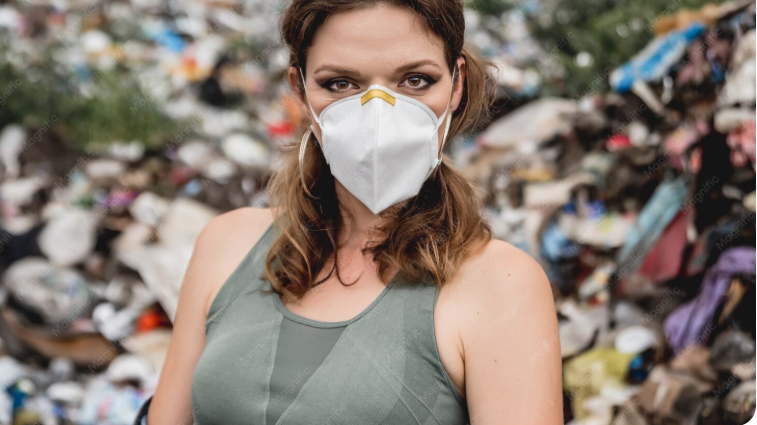
Urban living presents unique challenges for skin care, particularly as environmental pollution becomes an increasingly visible factor in skin health. From airborne particulates to chemical irritants, city dwellers face daily exposure that can accelerate skin aging, trigger sensitivity, and compromise the skin’s natural barrier. Understanding how pollution interacts with the skin and adapting routines accordingly has become a cornerstone of modern urban skincare practices.
Sensitive, aging skin often shows the effects of hidden inflammation: dullness, redness, reactivity, and a weakened barrier. Daily stress, pollution, and harsh products can intensify irritation, making skin feel fragile and look older faster. Take Skin Quiz to find the right support for your skin. AveSeena’s immunology-driven formulas, developed by Dr. Ebru Karpuzoglu with 30 years of expertise, help calm visible signs of inflammation, strengthen the skin barrier, and restore a healthier, more resilient glow. Shop Now!
Understanding Pollution’s Impact on Skin
Environmental stressors are now recognized as major contributors to skin aging and inflammatory skin concerns, particularly in densely populated urban environments. Air pollution exposes the skin to a complex mixture of particulate matter, ozone, volatile organic compounds, heavy metals, and other pollutants that can interfere with normal skin function. Research increasingly points to three interconnected mechanisms behind this damage: oxidative stress, inflammatory responses, and impairment of the skin barrier. Together, these processes can contribute to uneven pigmentation, visible aging, reduced elasticity, irritation, and heightened sensitivity. For modern consumers, this means environmental conditions have become an important factor in determining skin care needs. Traditional routines focused solely on cleansing and moisturizing are giving way to more comprehensive approaches that include antioxidant protection, gentle cleansing of pollutant residue, hydration support, and ingredients that strengthen the skin barrier. The findings also help explain why many people experience increased skin concerns when living in highly polluted cities compared with cleaner environments. Understanding the impact of environmental stressors allows consumers to make more informed decisions about product selection and daily skin protection habits. It also reinforces the importance of science-backed formulations that address the biological pathways involved in pollution-related damage. As awareness of environmental skin health continues to grow, pollution protection is becoming a defining theme in contemporary skin care. Brands that connect barrier support, inflammation management, and environmental defense are increasingly positioned to meet the needs of consumers seeking healthier skin in challenging urban conditions
The Skin Barrier: A First Line of Defense
A healthy skin barrier has become one of the most important topics in modern skin care because it serves as the body’s first line of defense against environmental stressors. The barrier is responsible for maintaining hydration, regulating interactions with external irritants, and supporting the skin’s physical, chemical, and immunologic protection systems. When this barrier becomes compromised, pollutants, allergens, and irritants can penetrate more easily, triggering inflammation, dryness, irritation, and increased sensitivity. This understanding is especially relevant for urban residents who face daily exposure to traffic emissions, airborne particles, smoke, and other environmental pollutants. Strong barrier function helps reduce transepidermal water loss while preserving the skin’s ability to resist external damage. As a result, skin care routines are increasingly prioritizing ingredients that support barrier repair and maintenance, including ceramides, humectants, nourishing lipids, and soothing botanical compounds. The growing focus on barrier health reflects a broader shift away from overly aggressive treatments and toward routines that strengthen the skin’s natural defenses. Consumers are becoming more aware that long-term skin wellness depends not only on treating visible concerns but also on preserving the structural integrity of the skin itself. This perspective supports the rise of science-driven formulations that address environmental stress exposure and reinforce resilience against pollution-related damage. In highly urbanized environments, protecting the skin barrier is emerging as a foundational strategy for maintaining healthier, calmer, and more youthful-looking skin over time importance of skin barrier function
The skin barrier serves as the body’s primary defense against external aggressors, regulating hydration, blocking irritants, and supporting immunologic protection. When compromised, pollutants and allergens can penetrate more easily, triggering inflammation, dryness, and heightened sensitivity. Urban residents, in particular, face daily exposure to traffic emissions, smoke, and airborne particles that challenge barrier integrity. Emphasizing barrier support in skincare routines helps reduce transepidermal water loss and preserves the skin’s resilience against environmental damage. This focus underpins the growing trend toward formulations that prioritize barrier repair and maintenance.
Shifting Consumer Behavior in Urban Skin Care
Modern consumers are increasingly informed about the impact of environmental pollution on skin health, leading to more conscious product selection. Traditional routines centered solely on cleansing and moisturizing are evolving toward multi-step approaches that combine gentle cleansing, antioxidant protection, hydration, and barrier-strengthening ingredients. Ingredients such as ceramides, humectants, nourishing lipids, and soothing botanical compounds are now common in urban skincare formulations. These choices reflect a broader consumer preference for science-driven products that address both visible skin concerns and underlying resilience.
Key Ingredients and Technologies for Pollution Protection
Innovations in skincare are addressing the specific challenges posed by urban pollutants. Antioxidants such as vitamin C and ferulic acid neutralize free radicals generated by particulate matter, while peptides and ceramides help restore and maintain the skin barrier. Some formulations incorporate anti-inflammatory botanicals like green tea extract or niacinamide to calm irritation triggered by environmental stressors. Additionally, emerging technologies in skincare focus on creating protective films that minimize pollutant penetration and enhancing the skin’s natural detoxification processes.
Practical Skincare Strategies for City Living
Adapting daily routines to counter environmental damage requires both preventative and restorative measures. Morning routines should prioritize cleansing to remove overnight pollutant accumulation and applying antioxidant-rich serums followed by broad-spectrum sunscreen to protect against UV-related oxidative stress. Evening routines benefit from gentle cleansing to eliminate particulate residue, followed by hydrating and barrier-supporting products. Incorporating masks, exfoliants, and treatments that promote skin renewal can further enhance resilience. Consistency, combined with targeted ingredient selection, is essential for maintaining healthier skin in polluted environments.
Addressing Sensitive and Aging Skin
Urban pollution presents particular challenges for sensitive and aging skin. Compromised barrier function in mature skin increases susceptibility to irritation, redness, and premature aging signs. Strengthening the skin’s defense mechanisms is critical, emphasizing products with hydrating, soothing, and reparative ingredients. Consumers are also integrating lifestyle adjustments, such as minimizing outdoor exposure during high pollution periods and using barrier-supportive skincare masks or antioxidants to mitigate cumulative environmental stress.
Industry Trends and Brand Response
Skincare brands are increasingly prioritizing formulations that combine environmental defense with barrier support. This trend reflects both consumer demand for scientifically validated solutions and the recognition that holistic skin wellness extends beyond aesthetic treatment. Brands that educate consumers on pollution’s effects and provide practical guidance for urban skincare routines are better positioned to foster trust and long-term loyalty. Additionally, transparency regarding ingredient efficacy and sourcing aligns with the preferences of informed urban professionals seeking reliable, effective skincare solutions.
The Future of Skincare in Urban Environments
Environmental pollution is reshaping urban skin care routines by emphasizing protection, barrier repair, and antioxidant defense. Understanding the mechanisms by which pollutants impact the skin allows consumers to make informed decisions and adopt routines tailored to the challenges of city living. As urban populations continue to grow, integrating science-driven, protective, and restorative products into daily skincare rituals will remain a central strategy for maintaining healthy, resilient, and youthful-looking skin.
Frequently Asked Questions
How does urban air pollution damage your skin?
Urban air pollution exposes skin to particulate matter, ozone, heavy metals, and volatile organic compounds that trigger oxidative stress, inflammation, and skin barrier impairment. Together, these mechanisms contribute to uneven pigmentation, premature aging, reduced elasticity, and heightened sensitivity. City dwellers are especially vulnerable because daily exposure is continuous and cumulative, making protective skincare routines essential.
What skincare ingredients best protect against pollution damage?
Antioxidants like vitamin C and ferulic acid are highly effective at neutralizing free radicals generated by urban pollutants, while ceramides and peptides help restore and strengthen the skin barrier. Humectants and nourishing lipids reduce transepidermal water loss, and anti-inflammatory botanicals such as niacinamide and green tea extract help calm irritation caused by environmental stressors. Together, these ingredients form the foundation of a science-backed, pollution-defense skincare routine.
What is the best daily skincare routine for people living in polluted cities?
A pollution-focused urban skincare routine should start each morning with gentle cleansing to remove overnight residue, followed by an antioxidant serum and broad-spectrum SPF to guard against UV-related oxidative stress. In the evening, a thorough but gentle cleanse to clear particulate buildup, paired with hydrating and barrier-repairing products, helps the skin recover overnight. Consistency and targeted ingredient selection particularly those that prioritize barrier health are key to maintaining resilient, healthy skin in high-pollution environments.
Disclaimer: The above helpful resources content contains personal opinions and experiences. The information provided is for general knowledge and does not constitute professional advice.
You may also be interested in: What Is Inflammaging? Why Your Skincare Isn’t Working – AveSeena
Sensitive, aging skin often shows the effects of hidden inflammation: dullness, redness, reactivity, and a weakened barrier. Daily stress, pollution, and harsh products can intensify irritation, making skin feel fragile and look older faster. Take Skin Quiz to find the right support for your skin. AveSeena’s immunology-driven formulas, developed by Dr. Ebru Karpuzoglu with 30 years of expertise, help calm visible signs of inflammation, strengthen the skin barrier, and restore a healthier, more resilient glow. Shop Now!
Powered by flareAI.co