Quick Listen:
Environmental pollution is reshaping how people approach skincare, particularly in bustling urban centers across the United States. From the smog-filled streets of Los Angeles to the dense air in New York, individuals are noticing changes in their skin’s texture, resilience, and overall appearance. This growing awareness is driving a shift toward protective, science-backed routines that address not just UV damage but the cumulative effects of daily environmental stressors.
Sensitive, aging skin often shows the effects of hidden inflammation: dullness, redness, reactivity, and a weakened barrier. Daily stress, pollution, and harsh products can intensify irritation, making skin feel fragile and look older faster. Take Skin Quiz to find the right support for your skin. AveSeena’s immunology-driven formulas, developed by Dr. Ebru Karpuzoglu with 30 years of expertise, help calm visible signs of inflammation, strengthen the skin barrier, and restore a healthier, more resilient glow. Shop Now!
The Science Behind Pollution’s Effects on Skin
Air pollution, particularly particulate matter, interacts with the skin in complex ways that extend far beyond surface-level irritation. These microscopic particles, often carrying metals and organic compounds, can settle on the skin and disrupt its natural barrier function. Once they penetrate or interact with sebum and lipids, they trigger oxidative stress and inflammatory responses that compromise the skin’s integrity.
This process weakens the stratum corneum, leading to increased water loss and heightened sensitivity. For skincare-savvy individuals in major cities, these changes often manifest as dullness, uneven tone, or unexpected breakouts, prompting a reevaluation of daily habits. The skin’s microbiome and barrier lipids become more vulnerable, making it essential to prioritize repair and protection in routines.
Air pollution, particularly particulate matter (PM), has a multi-layered impact on skin physiology that extends beyond surface irritation to deep molecular disruption. Research into the biological mechanisms shows that PM contains a complex mixture of metals, organic compounds, and reactive substances capable of inducing oxidative stress and inflammation once they come into contact with the skin. These particles can adhere to the skin surface and interact with sebum and barrier lipids, weakening the stratum corneum and increasing transepidermal water loss. This disruption compromises the skin’s natural defense system, making it more susceptible to allergens, pathogens, and further environmental damage. According to detailed research on molecular effects of air pollution on skin barrier and inflammation, at a cellular level, pollutant exposure activates inflammatory pathways and can contribute to the development or worsening of conditions such as atopic dermatitis, psoriasis, and acneiform eruptions. The generation of reactive oxygen species plays a central role in accelerating cellular aging processes by damaging DNA, proteins, and lipid structures.
How Airborne Pollutants Accelerate Visible Aging
Recent dermatological research highlights pollution as a key component of the exposome the sum of environmental exposures that influence skin health over time. Pollutants such as particulate matter, nitrogen oxides, and ozone work alongside UV radiation to amplify oxidative damage. This synergy accelerates the breakdown of collagen and elastin while disrupting normal pigmentation processes.
In urban environments, continuous low-level exposure occurs even indoors through infiltration and indoor-generated particles. The result is premature signs of aging including fine lines, loss of firmness, and hyperpigmentation. Consumers are responding by seeking formulations that offer multi-layered defense rather than relying solely on traditional sunscreens. This evolution reflects a deeper understanding that comprehensive photoprotection must now include robust antioxidant and anti-inflammatory support.
Skin aging is increasingly understood as the result of both intrinsic genetic factors and extrinsic environmental exposures collectively referred to as the exposome, with air pollution now recognized as a major contributor. Among environmental aggressors, airborne pollutants such as particulate matter, nitrogen oxides, and ozone play a significant role in accelerating visible aging processes. These pollutants interact with skin cells through oxidative stress pathways and inflammatory signaling, leading to structural degradation of collagen and elastin as well as disruption of pigmentation regulation. One of the key insights from recent dermatological research is the synergistic effect between pollution and ultraviolet radiation, where combined exposure amplifies oxidative damage more than either factor alone. For more on this topic, see the study on pollution as an exposome factor in skin aging and protection strategies. This has led to a shift in dermatology toward multi-functional photoprotection strategies that go beyond UV filters to include antioxidants, anti-inflammatory agents, and barrier-supportive ingredients.
Shifting Skincare Habits in Polluted Cities
Many environmentally conscious adults are adapting their regimens to combat pollution-related skin concerns. Morning routines now frequently include antioxidant-rich serums applied before moisturizer and sunscreen to neutralize free radicals generated by daily exposure. Evening cleansing has become more thorough yet gentle, focusing on removing particulate residue without stripping the skin’s natural oils.
Barrier-supportive products are gaining prominence, with ingredients that help restore lipid balance and reduce transepidermal water loss. People in cities like Chicago, Houston, and San Francisco report adjusting their routines seasonally, layering additional protection during high-pollution periods or after commuting through busy areas. This proactive approach transforms skincare from a simple beauty ritual into a form of daily environmental defense.
Key Ingredients for Anti-Pollution Protection
Effective formulations target the mechanisms of pollution damage through several pathways. Antioxidants such as vitamins C and E help neutralize reactive oxygen species before they cause structural harm. Niacinamide and ceramides strengthen the skin barrier, reducing penetration of harmful particles and supporting recovery from inflammation.
Anti-inflammatory botanicals and peptides are also valued for calming pollution-triggered responses and supporting collagen maintenance. Clean luxury skincare brands are formulating with these in mind, creating lightweight yet potent textures suitable for layering in humid or variable climates common in places like Miami, Atlanta, and Seattle. The focus remains on efficacy backed by scientific understanding rather than marketing claims.
Practical Strategies for Daily Pollution Defense
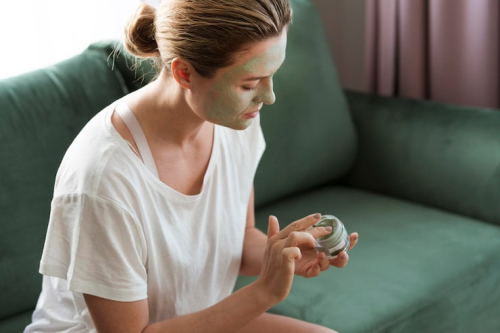
Building resilience against environmental pollution skin effects involves both product choices and lifestyle adjustments. Double cleansing at the end of the day using an oil-based cleanser followed by a gentle water-based one helps remove embedded particulates effectively. Incorporating a weekly detoxifying mask or exfoliation can further clear buildup without over-stressing the skin.
Urban dwellers benefit from timing outdoor activities to avoid peak pollution hours when possible and using physical barriers like hats or scarves in extreme conditions. Hydration from within through adequate water intake complements topical moisture retention. For those in drier western cities like Scottsdale or Denver, heavier occlusive moisturizers in the evening help lock in hydration against the combined assault of pollution and low humidity.
Consistency matters most. Small, sustainable changes such as keeping antioxidant mists or wipes handy for midday refreshment accumulate into noticeable improvements in skin clarity and comfort over time.
The Rise of Targeted Clean Skincare Solutions
As awareness of air pollution skin damage grows, the demand for thoughtful, clean formulations continues to increase. Products designed specifically for polluted environments emphasize barrier repair, antioxidant delivery, and gentle yet effective cleansing. These solutions appeal to those seeking luxury without compromising on purity or performance.
Brands focusing on evidence-aligned ingredients are helping consumers navigate the overwhelming market by offering targeted support for pollution-related concerns. This includes serums that brighten and protect, creams that reinforce the skin’s natural defenses, and masks that provide intensive recovery. The emphasis is on long-term skin health rather than quick fixes, aligning perfectly with the values of proactive, informed consumers.
Skincare in an Urban World
Environmental pollution is not a temporary challenge but an ongoing factor influencing skin health in cities nationwide. By understanding its molecular effects and adapting routines accordingly, individuals can better maintain vibrant, resilient skin despite daily exposures.
The integration of protective strategies into everyday skincare represents a positive evolution one grounded in science and driven by real-world needs. As research continues to illuminate these connections, consumers will likely seek even more sophisticated solutions that blend efficacy, elegance, and environmental mindfulness. Prioritizing skin barrier health and antioxidant defense today lays the foundation for healthier skin tomorrow, no matter where urban life takes you.
Frequently Asked Questions
How does air pollution damage your skin and cause premature aging?
Air pollution especially particulate matter, nitrogen oxides, and ozone triggers oxidative stress and inflammation that break down collagen and elastin, leading to fine lines, loss of firmness, and hyperpigmentation. These pollutants also weaken the skin’s barrier (the stratum corneum), increasing water loss and sensitivity. Research shows that pollution works synergistically with UV radiation, amplifying damage more than either factor alone making multi-layered daily protection essential for urban dwellers.
What skincare ingredients best protect against pollution and environmental damage?
The most effective anti-pollution skincare ingredients target free radical neutralization and barrier repair. Antioxidants like vitamins C and E fight reactive oxygen species, while niacinamide and ceramides strengthen the skin barrier to reduce particle penetration. Anti-inflammatory botanicals and peptides help calm pollution-triggered irritation and support collagen maintenance making them key ingredients to look for in serums, moisturizers, and protective formulas.
How should you adjust your skincare routine if you live in a polluted city?
Urban residents benefit most from a morning routine that layers an antioxidant serum before moisturizer and SPF, and a thorough yet gentle double-cleanse at night to remove embedded particulates without stripping the skin. Weekly exfoliation or a detoxifying mask can help clear buildup over time. Small consistent habits like keeping an antioxidant mist on hand for midday refreshment accumulate into meaningful improvements in skin clarity and resilience against daily environmental stressors.
Disclaimer: The above helpful resources content contains personal opinions and experiences. The information provided is for general knowledge and does not constitute professional advice.
You may also be interested in: What Is Inflammaging? Why Your Skincare Isn’t Working – AveSeena
Sensitive, aging skin often shows the effects of hidden inflammation: dullness, redness, reactivity, and a weakened barrier. Daily stress, pollution, and harsh products can intensify irritation, making skin feel fragile and look older faster. Take Skin Quiz to find the right support for your skin. AveSeena’s immunology-driven formulas, developed by Dr. Ebru Karpuzoglu with 30 years of expertise, help calm visible signs of inflammation, strengthen the skin barrier, and restore a healthier, more resilient glow. Shop Now!
Powered by flareAI.co