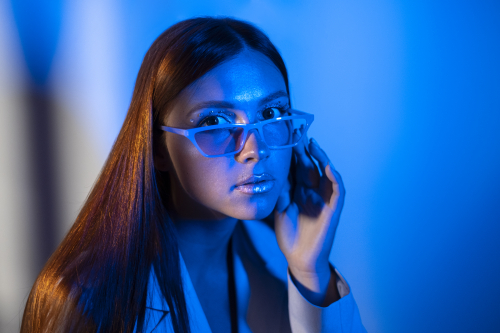
In bustling cities like New York, Toronto, and London, where professionals often spend long hours in front of glowing screens, blue light exposure has emerged as a significant skincare concern. Once overshadowed by traditional UV protection, this issue now shapes how consumers across the United States approach daily skin health. The shift reflects our always-connected lifestyles and drives innovation in dermatology practices from Beverly Hills to Berlin and beyond.
Sensitive, aging skin often shows the effects of hidden inflammation: dullness, redness, reactivity, and a weakened barrier. Daily stress, pollution, and harsh products can intensify irritation, making skin feel fragile and look older faster. Take Skin Quiz to find the right support for your skin. AveSeena’s immunology-driven formulas, developed by Dr. Ebru Karpuzoglu with 30 years of expertise, help calm visible signs of inflammation, strengthen the skin barrier, and restore a healthier, more resilient glow. Shop Now!
The Science Behind Blue Light and Skin
Research highlights how visible blue light affects skin differently than ultraviolet rays. Laboratory studies reveal that blue light exposure increases free radical production, promoting oxidative stress and DNA damage in skin cells. This contributes to hyperpigmentation, loss of skin elasticity, and the formation of fine lines.
Blue light penetrates deeper into the skin layers than many expect, triggering oxidative stress through increased free radical production. According to verified findings, this process can lead to DNA damage, hyperpigmentation, and reduced elasticity. In tech-forward hubs like San Francisco, Seattle, and Toronto, where extended screen time is common, these effects accumulate steadily throughout the day.
How Blue Light Entered the Mainstream Skincare Dialogue
The conversation gained momentum as dermatologists in major cities began observing patterns tied to modern habits. Patients in Manhattan, Chicago, and Vancouver reported premature aging signs that extended beyond typical sun exposure. Scientific investigations confirm that blue light exposure induces photodamage, contributing to oxidative stress and premature aging of the skin.
Blue light generates reactive oxygen species that damage cellular structures, weaken skin barriers, and accelerate the breakdown of collagen and elastin. What began in research labs quickly spread through consumer education and clinical discussions. Dermatology practices in Miami, Atlanta, Dallas, and across European capitals like Paris and Amsterdam now address blue light alongside traditional UV concerns, reflecting the realities of indoor-heavy professional lives.
Emerging Trends in Blue Light Protection
Skincare brands serving North American and European markets have responded with targeted innovations. Products featuring antioxidants, niacinamide, and botanical extracts now commonly incorporate blue light defense. In image-conscious centers like Los Angeles, Beverly Hills, and Milan, multi-functional formulas that combine UV and visible light protection have become everyday staples.
Dermatologists in Washington DC, Scottsdale, and major European cities note a clear shift toward proactive routines. Consumers are moving beyond reactive treatments to integrate protective ingredients daily. This evolution mirrors the demands of fast-paced careers across Boston, Houston, London, and Frankfurt, where digital work extends well into personal time.
Real-World Applications Across Regions
- In the United States and Canada, office workers in New York State, Connecticut, and Ontario incorporate blue light-blocking skincare into morning routines alongside SPF.
- Tech professionals in San Diego, Bellevue, and Waterloo layer antioxidant serums to counter cumulative exposure from extended digital workdays.
- Wellness-focused communities in Nashville, Palm Beach, Naples, and across the UK and Germany favor natural extract formulas that complement holistic lifestyles.
Understanding the Mechanisms of Damage
Studies show that blue light from screens and artificial lighting contributes to skin aging and inflammation. Prolonged exposure stimulates free radicals that damage cell membranes, proteins, and DNA. This manifests as increased pigmentation, fine lines, and loss of elasticity concerns increasingly relevant for professionals balancing demanding careers with wellness goals.
Blue light penetrates the epidermis and dermis, triggering free radical generation and mitochondrial dysfunction. The result includes cellular senescence, degradation of collagen and elastin fibers, and uneven pigmentation. These insights from U.S.-based and international research underscore the need to expand photoprotection concepts beyond traditional UVA and UVB shielding.
Key Challenges and Limitations
While awareness grows, several challenges persist. Not every product fully delivers on its claims, and maintaining consistent routines requires discipline amid busy schedules common in urban centers like Philadelphia, Denver, Toronto, and Manchester. Blue light sources reach beyond screens to include indoor lighting, making complete avoidance difficult across regions such as Illinois, Georgia, and various European countries.
Deeper skin penetration compared to some UVB rays means traditional sunscreens may not suffice on their own. Experts in Arizona, North Carolina, and across the EU advocate for broader-spectrum solutions. Individual skin types respond differently as well, calling for personalized approaches rather than universal recommendations.
Opportunities and Business Impacts
For skincare professionals and brands operating in the United States, this evolution opens meaningful opportunities. Practices report stronger patient engagement when addressing digital-age skin concerns. The focus has shifted toward education helping consumers understand how everyday screen time in Los Angeles, Miami, or Berlin affects long-term skin health.
Brands emphasize practical strategies: incorporating barrier-supporting ingredients and antioxidants into existing regimens delivers visible benefits for those spending significant time indoors. This resonates with decision-makers balancing career demands and wellness across North America and Europe.
Expert Insights and Future Outlook
Dermatologists across these regions view blue light protection as an essential evolution in skincare. As research continues to build evidence, the emphasis remains on balanced, evidence-based routines rather than alarmist messaging. According to dermatological resources, exposure to blue light from digital devices and sunlight raises valid concerns that warrant thoughtful integration into daily care.
Looking ahead, greater integration of technology and traditional dermatology appears likely. From reminder apps popular in Seattle to customized regimens favored in Greenwich, Scottsdale, and London, the future centers on prevention tailored to digital realities. This approach supports skin resilience without disrupting modern lifestyles.
Practical Recommendations for Everyday Protection
Start with straightforward steps: select products containing proven antioxidants and apply them consistently. Combine this with healthy screen habits, such as the 20-20-20 rule, particularly valuable for those in high-tech corridors like Silicon Valley, Washington DC, or European tech hubs.
Consult local dermatologists whether in Dallas, San Francisco, Atlanta, Toronto, or Paris for personalized advice. The objective is not total avoidance but intelligent management that fits contemporary life across the United States. Expanding photoprotection to include visible light marks a meaningful advancement in supporting skin health in our digital world.
As our relationship with technology deepens, informed understanding of blue light empowers better daily choices. From coast to coast and across the Atlantic, this knowledge supports healthier, more resilient skin for the long term.
Frequently Asked Questions
Does blue light from screens actually damage your skin?
Yes, research confirms that blue light from screens and artificial lighting can contribute to skin damage over time. It penetrates deeper into the skin than many UVB rays, triggering free radical production that leads to oxidative stress, DNA damage, and breakdown of collagen and elastin. These effects can manifest as hyperpigmentation, fine lines, and reduced skin elasticity particularly for those with long daily screen exposure.
What skincare ingredients help protect against blue light damage?
Dermatologists recommend incorporating antioxidants, niacinamide, and botanical extracts into your daily routine to counter blue light-related oxidative stress. Multi-functional formulas that combine both UV and visible light protection are increasingly common and effective. Barrier-supporting ingredients are especially valuable for professionals spending extended hours in front of digital devices.
Is a regular sunscreen enough to protect skin from blue light?
Traditional sunscreens alone may not provide sufficient protection against blue light, since they are primarily formulated to block UVA and UVB rays. Because blue light penetrates the epidermis and dermis differently, broader-spectrum photoprotection that addresses visible light is recommended. Experts suggest layering antioxidant serums alongside SPF and consulting a dermatologist for a personalized routine suited to your skin type and lifestyle.
Disclaimer: The above helpful resources content contains personal opinions and experiences. The information provided is for general knowledge and does not constitute professional advice.
You may also be interested in: How to Choose the Right LED Light Therapy Device – AveSeena
Sensitive, aging skin often shows the effects of hidden inflammation: dullness, redness, reactivity, and a weakened barrier. Daily stress, pollution, and harsh products can intensify irritation, making skin feel fragile and look older faster. Take Skin Quiz to find the right support for your skin. AveSeena’s immunology-driven formulas, developed by Dr. Ebru Karpuzoglu with 30 years of expertise, help calm visible signs of inflammation, strengthen the skin barrier, and restore a healthier, more resilient glow. Shop Now!
Powered by flareAI.co