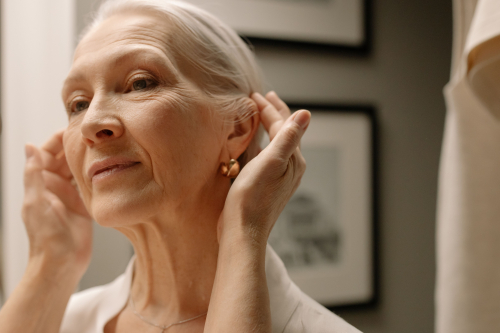
As our understanding of skin health evolves, researchers are uncovering deeper connections between internal bodily processes and visible signs of aging. Chronic low-grade inflammation, often called inflammaging, is emerging as a significant driver of how skin changes over time. This perspective shifts the focus from surface-level treatments to addressing underlying biological mechanisms that influence skin resilience and appearance.
Sensitive, aging skin often shows the effects of hidden inflammation: dullness, redness, reactivity, and a weakened barrier. Daily stress, pollution, and harsh products can intensify irritation, making skin feel fragile and look older faster. Take Skin Quiz to find the right support for your skin. AveSeena’s immunology-driven formulas, developed by Dr. Ebru Karpuzoglu with 30 years of expertise, help calm visible signs of inflammation, strengthen the skin barrier, and restore a healthier, more resilient glow. Shop Now!
What Is Inflammaging and Its Role in Skin Aging
Inflammaging refers to a persistent, low-level inflammatory state that develops with advancing age. Unlike acute inflammation that resolves after injury or infection, this chronic form lingers in the background, subtly affecting tissues throughout the body, including the skin. In dermatological research, inflammaging is increasingly recognized as a key contributor to the structural and functional decline observed in aging skin.
Skin aging driven by internal inflammation involves complex interactions at the cellular level. As inflammatory mediators remain elevated, they influence fibroblast activity the cells responsible for producing collagen and elastin. This leads to reduced structural protein integrity, contributing to thinning, dryness, and loss of elasticity. Understanding this process helps explain why some individuals experience accelerated visible aging despite diligent topical care.
Biological Mechanisms Linking Internal Inflammation to Skin Changes
Internal inflammation accelerates skin aging through several interconnected pathways. Chronic immune activation promotes the breakdown of extracellular matrix components, impairing the skin’s ability to maintain firmness and suppleness. Oxidative stress often amplifies these inflammatory signals, creating a cycle that further challenges cellular repair mechanisms.
Skin aging is driven by a combination of intrinsic biological processes and external environmental exposures, with intrinsic aging closely tied to gradual cellular decline and systemic physiological changes. Over time, the skin experiences reduced collagen production, decreased elastin integrity, and slower cellular turnover, all of which contribute to thinning, dryness, and loss of elasticity. A key underlying factor increasingly recognized in dermatological research is chronic low-grade internal inflammation, often referred to as inflammaging. This state of persistent immune activation can accelerate the breakdown of structural proteins in the skin and impair the repair mechanisms responsible for maintaining barrier function. As inflammatory mediators remain elevated in circulation, they influence fibroblast activity and reduce the skin’s ability to regenerate efficiently after daily oxidative stress. This biological environment not only accelerates wrinkle formation but also contributes to uneven pigmentation and reduced wound healing capacity. The interplay between immune dysregulation and skin cell senescence highlights why aging is not purely a surface-level phenomenon but deeply connected to systemic health. According to insights from biological mechanisms of skin aging, understanding these mechanisms is essential for developing skincare strategies that go beyond topical hydration and instead address upstream contributors such as oxidative stress, inflammatory signaling pathways, and lifestyle factors that influence immune balance. This perspective provides a scientific foundation for advanced skincare formulations that aim to support skin resilience by targeting both structural degradation and inflammatory processes from within the body.
Research highlighted by the National Institute on Aging emphasizes that this inflammatory state affects cellular communication and regenerative processes. In the skin, it accelerates collagen degradation and reduces tissue resilience, highlighting why addressing inflammation systemically may support healthier-looking skin as part of a comprehensive healthy aging approach.
How Lifestyle Factors Influence Inflammatory Processes in Skin
Daily habits play a substantial role in modulating internal inflammation and, by extension, skin aging. Nutrition rich in antioxidants and anti-inflammatory compounds can help counter oxidative stress that fuels inflammaging. Regular physical activity, quality sleep, and effective stress management similarly support immune balance and cellular repair.
For individuals in bustling cities like New York or Los Angeles, where environmental pollutants and fast-paced lifestyles are common, these factors become particularly relevant. Prioritizing recovery practices such as consistent sleep schedules and mindful nutrition offers practical ways to influence inflammatory pathways from within. Wellness-focused communities in places like Miami, San Francisco, and Austin increasingly embrace these integrated strategies for long-term skin vitality.
The Science Behind Healthy Aging and Skin Resilience
Healthy aging research reveals that skin changes are not inevitable in isolation but part of broader physiological patterns. Systemic inflammation affects multiple organs and tissues, with visible effects on the skin serving as an accessible indicator of internal health. By targeting upstream contributors like inflammatory signaling, individuals can pursue strategies that support both appearance and overall well-being.
Healthy aging research emphasizes that aging is a complex biological process influenced by genetic, environmental, and lifestyle factors, with systemic inflammation emerging as a key contributor to age-related decline. Chronic low-grade inflammation can persist even in the absence of acute illness and is increasingly recognized as a central driver of multiple aging-related conditions, including those affecting the skin. This inflammatory state affects cellular communication and repair mechanisms, reducing the body’s ability to maintain tissue integrity over time. In the skin, it can accelerate collagen degradation, impair barrier function, and reduce the efficiency of regenerative processes. These changes contribute to visible signs of aging such as wrinkles, dryness, and loss of elasticity, while also affecting deeper structural resilience. Research also highlights the role of oxidative stress in amplifying inflammatory pathways, creating a cycle that further accelerates tissue aging. Lifestyle factors such as nutrition, physical activity, sleep quality, and stress management play a significant role in modulating inflammatory responses and therefore influence the rate of skin aging. By addressing inflammation as a systemic process rather than an isolated skin issue, healthy aging strategies encourage a more holistic approach that integrates internal wellness with external skincare practices. According to healthy aging and inflammation science, this perspective is increasingly important for developing long-term interventions that support both appearance and overall physiological health.
Practical Approaches to Supporting Skin Health Amid Inflammaging
Evidence-based skincare routines increasingly incorporate ingredients and practices that address inflammatory pathways. Topical formulations with antioxidants may help neutralize free radicals at the surface, while internal wellness practices support the body’s natural defense systems. Staying hydrated, protecting against UV exposure, and maintaining a nutrient-dense diet remain foundational.
In regions with varying climates from the dry air of Scottsdale to the humidity of Atlanta adapting routines to local conditions while addressing internal factors creates more effective personalization. Many seeking to understand internal inflammation and skin aging are exploring how consistent wellness habits can complement professional skincare regimens, fostering resilience against age-related changes.
Emerging Perspectives in Skin Aging Research
Advances in understanding inflammaging are reshaping how experts approach skin health. Rather than viewing aging solely through chronological lenses, researchers examine the biological environment that accelerates or mitigates visible changes. This includes exploring how chronic inflammation influences fibroblast function and extracellular matrix maintenance over decades.
These insights open doors to more targeted interventions that consider the whole person. For those concerned about chronic inflammation and aging skin, integrating scientific understanding with practical daily choices offers a proactive path. Whether in Boston’s academic communities or Chicago’s professional circles, interest in longevity and preventive skin strategies continues to grow among those prioritizing evidence-based wellness.
Integrating Internal and External Skin Care Strategies
The interplay between internal inflammation and skin aging invites a more integrated approach to skincare and wellness. By recognizing inflammaging as a systemic process, individuals can make informed decisions that support skin health from multiple angles. This perspective aligns with broader trends in healthy aging, where prevention and holistic care take center stage.
As research progresses, the connection between inflammatory processes in skin aging and visible outcomes becomes clearer. For those exploring these topics, focusing on sustainable lifestyle practices alongside thoughtful skincare offers promising avenues for maintaining skin vitality. Continued attention to these mechanisms will likely yield even more refined strategies for supporting graceful aging.
In summary, advances in recognizing the role of internal inflammation are transforming conversations around skin aging. By addressing both the visible signs and their deeper biological roots, a more comprehensive path to healthier skin emerges one grounded in science, lifestyle awareness, and proactive care.
Frequently Asked Questions
What is inflammaging and how does it affect skin aging?
Inflammaging is a persistent, low-level inflammatory state that develops with advancing age and quietly affects tissues throughout the body, including the skin. Unlike short-term inflammation that resolves after injury, this chronic form elevates inflammatory mediators that interfere with fibroblast activity the cells responsible for producing collagen and elastin. Over time, this leads to reduced structural protein integrity, contributing to thinning, dryness, loss of elasticity, and uneven pigmentation. It helps explain why some people experience accelerated visible aging even with consistent topical skincare routines.
What lifestyle factors can help reduce internal inflammation and slow skin aging?
Daily habits play a significant role in moderating inflammaging and its visible effects on the skin. A diet rich in antioxidants and anti-inflammatory compounds can help counter the oxidative stress that fuels chronic inflammation, while regular physical activity, quality sleep, and stress management support immune balance and cellular repair. Staying well-hydrated, limiting UV exposure, and adapting routines to local environmental conditions such as dry or humid climates further strengthens the skin’s natural defenses. Together, these lifestyle practices can complement topical skincare by addressing inflammation at its systemic root.
Can targeting internal inflammation improve skin health and appearance?
Yes research increasingly supports the idea that addressing inflammation systemically, rather than treating skin aging as a purely surface-level concern, can meaningfully support skin resilience and appearance. Chronic low-grade inflammation accelerates collagen degradation, impairs barrier function, and reduces the skin’s ability to regenerate after daily oxidative stress. By focusing on upstream contributors like inflammatory signaling pathways and immune balance, individuals may be able to slow wrinkle formation, improve wound healing capacity, and support overall tissue integrity. This integrated approach combining internal wellness strategies with evidence-based topical care reflects the latest thinking in healthy aging science.
Disclaimer: The above helpful resources content contains personal opinions and experiences. The information provided is for general knowledge and does not constitute professional advice.
You may also be interested in: Blackheads on the face? Here is how to get rid of them – AveSeena
Sensitive, aging skin often shows the effects of hidden inflammation: dullness, redness, reactivity, and a weakened barrier. Daily stress, pollution, and harsh products can intensify irritation, making skin feel fragile and look older faster. Take Skin Quiz to find the right support for your skin. AveSeena’s immunology-driven formulas, developed by Dr. Ebru Karpuzoglu with 30 years of expertise, help calm visible signs of inflammation, strengthen the skin barrier, and restore a healthier, more resilient glow. Shop Now!
Powered by flareAI.co