Pollution harms your skin daily, leading to premature aging, dullness, and damage. Antioxidants are your skin’s defense system, neutralizing harmful free radicals caused by pollution.
Here’s why antioxidants matter and how they work:
- Pollution triggers free radicals: These unstable molecules damage collagen, elastin, and your skin barrier, causing fine lines, dark spots, and irritation.
- Antioxidants fight back: They stabilize free radicals, preventing damage and supporting skin repair.
- Top antioxidants to use: Vitamin C (brightens and protects), Vitamin E (guards natural oils), Niacinamide (reduces inflammation), CoQ10 (boosts repair), and Polyphenols (soothe and shield).
- Daily routine tips:
- Cleanse with a gentle anti-pollution cleanser.
- Apply a Vitamin C serum in the morning.
- Use moisturizers with antioxidants.
- Always finish with sunscreen (SPF 30+).
- At night, focus on repair with antioxidant-rich treatments.
Advanced skincare technologies like encapsulation and devices (e.g., LED therapy) enhance antioxidant absorption, making them even more effective. Consistent use helps protect, repair, and maintain a healthy, radiant complexion.
Protective Role of Antioxidants in Signs of Skin Inflammaging
How Pollution Damages Your Skin
Every day, your skin is exposed to invisible threats from pollutants that can cause serious harm. From car exhaust and industrial fumes to cigarette smoke and indoor air pollution, these tiny particles don’t just rest on your skin’s surface – they infiltrate deep into your pores, setting off a chain reaction of damage.
The trouble begins the moment these pollutants make contact with your skin. They spark the formation of harmful molecules called free radicals. Let’s break down how this happens.
How Pollution Creates Free Radicals
Pollutants don’t simply rinse away the next time you wash your face. Instead, they react with the natural oils and moisture on your skin, triggering oxidative stress – a process that’s often compared to how metal rusts when exposed to air and water.
Some of the most harmful offenders include particulate matter (PM2.5 and PM10), which are tiny particles that can penetrate your skin’s barrier. These are especially common in urban areas, particularly during rush hour or near construction zones. Nitrogen dioxide from vehicle emissions and ozone from smog are also major contributors to skin damage.
When these pollutants interact with your skin, they generate reactive oxygen species (ROS). These ROS break down collagen, elastin, and the lipid barrier – key components that keep your skin firm, smooth, and hydrated.
Signs Your Skin Is Damaged by Pollution
Pollution damage doesn’t happen overnight, but over time, the effects become hard to ignore. One of the first signs is a dull, lifeless complexion. Your skin might look tired, even grayish, as pollutants form a thin film on its surface and free radicals disrupt the cells that give your skin its natural glow.
Premature aging is another telltale sign. Fine lines and wrinkles may appear earlier than expected, especially around delicate areas like the eyes and mouth. This happens as collagen and elastin break down, leading to a loss of firmness and elasticity.
Dark spots and uneven skin tone can also result from prolonged exposure. Your skin may produce excess melanin to defend itself, causing hyperpigmentation, particularly on areas like the forehead, cheeks, and around the nose.
Pollution can also clog your pores, making them appear larger. When particles mix with your skin’s natural oils, they can lead to stubborn blackheads and congestion.
Heightened sensitivity is another red flag. A compromised skin barrier might leave you dealing with redness, itching, or a stinging sensation. For some, this can escalate into a condition dermatologists call pollution dermatitis, marked by persistent redness and inflammation.
Lastly, your skin’s texture might feel rougher or more uneven. Pollution disrupts the skin’s renewal process, causing dead cells to build up on the surface.
Recognizing these signs early is key. It’s a reminder to prioritize skincare products rich in antioxidants to help protect your skin from the harmful effects of pollution.
How Antioxidants Work in Skincare
Antioxidants are like your skin’s personal bodyguards, stepping in to neutralize free radicals before they can cause harm. These free radicals, unstable molecules with an unpaired electron, can wreak havoc on your skin by damaging cells, breaking down collagen, and triggering inflammation. Antioxidants stabilize these troublemakers by donating an electron, effectively stopping the chain reaction of damage.
Think of it this way: instead of trying to fix damage after it happens, antioxidants act preemptively, intercepting harmful molecules before they can attack. This means fewer broken collagen fibers, reduced inflammation, and a stronger natural skin barrier. Ready to learn which antioxidants pack the biggest punch against pollution? Let’s dive in.
Top Antioxidants That Fight Pollution
Vitamin C is a standout when it comes to shielding your skin from pollution. This water-soluble antioxidant neutralizes free radicals, boosts collagen production, and helps fade dark spots. If you’re looking for the most effective form, L-ascorbic acid is your go-to. For those with sensitive skin, magnesium ascorbyl phosphate provides a gentler yet stable option.
Vitamin E works in the lipid layers of your skin, offering powerful oil-soluble protection. It’s particularly effective at guarding against lipid peroxidation, which occurs when pollution attacks your skin’s natural oils. Even better, vitamin E and vitamin C work together, with vitamin C regenerating vitamin E after it neutralizes free radicals.
Niacinamide (vitamin B3) is a multitasker. It strengthens your skin barrier, reduces inflammation, and regulates oil production – perfect for city dwellers dealing with pollution and clogged pores.
Coenzyme Q10 (CoQ10) is like an energy boost for your skin. As we age, our natural CoQ10 levels drop, making it harder for the skin to repair itself. By applying it topically, you can help restore cellular energy and enhance your skin’s ability to recover from pollution damage.
Polyphenols from sources like green tea and grape seed offer broad protection. These plant-based compounds are especially effective against UV-induced free radicals and help soothe inflammation caused by pollution.
Resveratrol, found in grape skins and berries, brings both antioxidant and anti-inflammatory benefits. Research suggests it can help protect against particulate matter damage while also supporting the longevity of skin cells.
What Antioxidants Do for Your Skin
Antioxidants do more than just fend off free radicals – they also improve the overall health and appearance of your skin. By preserving collagen and elastin, they help keep your skin firm and resilient, which is especially important in polluted environments where these proteins are constantly under attack.
They also brighten your complexion by reducing the oxidative stress that leads to dullness. By protecting the cells responsible for healthy skin turnover, antioxidants can help restore your skin’s natural radiance. Many people notice a more vibrant glow after just a few weeks of consistent use.
Another major benefit is strengthening your skin’s barrier. Antioxidants like niacinamide and vitamin E help fortify this protective layer, making it harder for pollution to penetrate. A stronger barrier also locks in moisture and reduces sensitivity to irritants.
The anti-inflammatory properties of antioxidants are a game-changer for calming redness and irritation caused by pollution exposure. If you’re dealing with pollution-related dermatitis or heightened sensitivity, this can make a noticeable difference.
Perhaps the most important role of antioxidants is in preventing premature aging. By stopping free radical damage before it accumulates, they help maintain your skin’s youthful appearance over time. This proactive defense is far more effective than trying to reverse damage later.
Finally, antioxidants support your skin’s natural repair processes, especially while you sleep. During this time, your skin works to recover from daily stressors, and antioxidants provide the molecular support needed to make that repair process more efficient.
sbb-itb-002012a
Adding Antioxidants to Your Daily Routine
Incorporating antioxidants into your skincare routine doesn’t have to be complicated. The trick lies in knowing when and how to use these protective ingredients to get the best results. Since your skin battles different environmental stressors throughout the day, timing is everything. By following a few simple steps, you can seamlessly integrate antioxidants into your daily regimen to guard against pollution-related damage.
One golden rule to keep in mind is that consistency trumps intensity. Using antioxidants regularly, even in lower concentrations, is far more effective than occasionally applying high-strength products. Your skin thrives on steady protection, especially if you live in a city where exposure to pollution and free radicals is constant.
Daily Antioxidant Skincare Steps
Start your morning with a gentle cleanser that removes impurities without disrupting your skin’s natural barrier. For example, AveSeena‘s Gentle Gardenia Anti-Pollution Gel Cleanser is designed to wash away pollution particles while keeping your skin balanced.
After cleansing, apply an antioxidant serum to clean, slightly damp skin. This is the ideal moment for your skin to absorb active ingredients. A vitamin C serum is a great choice – apply it first and let it sit for about 30 seconds before moving on.
Follow up with a moisturizer that combines antioxidants with hydrating ingredients. Products like AveSeena Ageless Perfection Cream are formulated to provide both protection and hydration in one step, making your routine more efficient.
Finish your morning routine with broad-spectrum sunscreen (SPF 30 or higher). Sunscreen is a must-have in any anti-pollution skincare plan, as it protects against UV rays, which can amplify the damaging effects of pollution. Together, antioxidants and sunscreen create a strong shield against environmental stressors.
For your evening routine, shift the focus to repair and renewal. Start with a thorough cleanse – double-cleansing if you’ve been exposed to heavy pollution – then apply antioxidant treatments designed to support your skin’s recovery overnight.
Don’t forget about eye care. The delicate skin around your eyes is especially vulnerable to pollution, so use a targeted antioxidant eye product like AveSeena’s Supreme Recontour Eye Concentrate for added protection in this sensitive area.
How to Get Better Results
To maximize the benefits of your antioxidant routine, consider these tips:
- Apply products correctly. Use gentle, upward motions to apply antioxidant serums to clean skin. Patting the product in (rather than rubbing) can reduce irritation and improve absorption. Allow each layer to fully absorb before applying the next.
- Store products carefully. Vitamin C serums, for example, should be kept in a cool, dark place to maintain their potency. However, let them reach room temperature before use, as cold products don’t absorb as well.
- Layer strategically. Start with water-based antioxidants like vitamin C or niacinamide, followed by oil-based ones such as vitamin E. Heavier creams and oils should always be applied last to avoid blocking the absorption of lighter products.
- Test new products. Even mild antioxidants can cause reactions in sensitive skin. Patch test any new product on your inner wrist and wait 24 hours before applying it to your face.
- Introduce products gradually. Start with one antioxidant product every few days, then slowly increase frequency as your skin adjusts. This helps minimize irritation and allows you to see which ingredients work best for your skin.
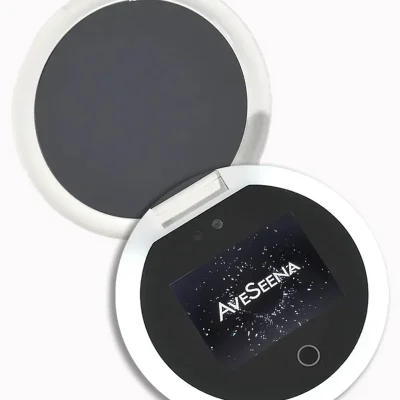
- Use technology to enhance results. Devices like AveSeena’s ANKA Face and Body Treatment System can improve antioxidant absorption and provide additional anti-inflammatory benefits. Use these tools after applying serums but before heavier moisturizers.
- Pay attention to your skin. Track changes in texture, brightness, and sensitivity over time. If irritation occurs, scale back and reintroduce products more slowly.
- Adjust for the seasons. During times of high pollution or increased outdoor activity, your skin may need more intensive protection. In less challenging seasons, gentler formulations might be sufficient.
New Technology in Anti-Pollution Skincare
The world of skincare is evolving, especially when it comes to protecting our skin from pollution. Beyond the usual serums, new technologies are stepping up to provide deeper and longer-lasting antioxidant protection. These innovations build on earlier strategies, making antioxidants more effective and easier for the skin to absorb.
Modern skincare formulations now use advanced delivery systems to ensure antioxidants remain stable and reach skin cells intact. Meanwhile, cutting-edge devices are helping to improve how the skin absorbs these protective ingredients, while also promoting circulation and cellular repair.
Smarter Antioxidant Delivery Methods
One of the biggest breakthroughs in anti-pollution skincare is how antioxidants are delivered to the skin. Here are some game-changers:
- Encapsulation technology: This method protects antioxidants like vitamin C and retinol from breaking down before they reach the skin. The capsules release their contents gradually, targeting the areas that need them most.
- Time-release systems: Instead of delivering antioxidants all at once, these systems provide a steady release throughout the day. This ensures continuous protection against free radicals, rather than a quick, short-lived defense.
- Liposomal delivery: Liposomes, tiny fat-based bubbles, are used to carry antioxidants through the skin’s outer layers. Because they mimic natural cell membranes, they can merge with skin cells and deliver antioxidants directly where pollution does the most harm.
- Nanotechnology: By creating ultra-small particles, this approach allows antioxidants to penetrate deeper into the skin, reaching areas where free radical damage occurs. Additionally, pH-optimized formulations help keep antioxidants stable and active, maintaining their effectiveness.
Devices That Supercharge Antioxidants
Formulations are only part of the story – devices are taking antioxidant skincare to the next level. These tools work in tandem with serums to amplify their benefits:
- Red LED therapy: This technology encourages cellular repair and reduces inflammation caused by pollution. When paired with antioxidant serums, it enhances the skin’s healing process and boosts absorption.
- AveSeena’s ANKA Face and Body Treatment System: This device combines multiple technologies, including LED therapy, electrical muscle stimulation (EMS), and radiofrequency (RF). The RF technology gently warms the deeper layers of the skin, improving circulation and helping antioxidants penetrate more effectively.
- Radiofrequency technology: By generating controlled heat, RF temporarily increases the skin’s permeability, allowing antioxidants to reach deeper layers. It also stimulates collagen production, helping repair damage and strengthen the skin’s defenses.
- Microcurrent devices: These use gentle electrical currents to promote lymphatic drainage and stimulate cellular activity. When used with antioxidants, they help remove toxins and pollution particles from the skin.
- Ultrasonic technology: High-frequency vibrations drive antioxidants deeper into the skin, a process known as sonophoresis. These vibrations also boost blood flow, delivering fresh nutrients to skin cells and aiding in toxin removal.
- Iontophoresis devices: Using mild electrical currents, these devices push charged antioxidant molecules through the skin barrier. This is particularly useful for water-soluble antioxidants like vitamin C, which can be difficult to deliver to deeper layers through traditional methods.
For the best results, timing and technique are crucial. Most devices work best when used after applying antioxidant serums but before heavier moisturizers. This ensures the active ingredients are absorbed effectively while keeping the skin hydrated and protected.
Conclusion: Keeping Your Skin Healthy Despite Pollution
Antioxidants play a crucial role in defending your skin against damage caused by pollution.
Pollution exposes your skin to free radicals that can break down collagen, cause inflammation, and accelerate aging. Antioxidants work to neutralize these harmful molecules, offering essential protection.
A consistent and well-thought-out skincare routine is key. Start your mornings with vitamin C, use vitamin E and niacinamide during the day, and apply retinol paired with resveratrol at night to help repair damage. Advanced delivery methods, such as encapsulation and liposomal technology, along with devices like LED and radiofrequency systems (such as AveSeena’s), enhance the stability, absorption, and effectiveness of antioxidants.
To keep things manageable, stick to the basics: cleanse your skin with a gentle anti-pollution cleanser, follow up with a vitamin C serum in the morning, and finish with moisturizers rich in antioxidants. For an extra boost, incorporate treatment devices a couple of times a week.
Remember, prevention is far easier than reversing damage. By using antioxidants daily, you not only protect your skin from future harm but also help repair existing damage. A strong and healthy skin barrier is an investment in long-term resilience.
With quality formulations, cutting-edge delivery systems, and targeted treatments, you can build a protective shield for your skin. These strategies will help you maintain a vibrant, healthy complexion, even in the face of urban environmental challenges.
FAQs
How do antioxidants in skincare protect your skin from pollution damage?
Antioxidants in skincare play a key role in defending your skin against free radicals – those unstable molecules created by pollutants like smog, exhaust fumes, and other toxins in the environment. These free radicals can wreak havoc on your skin, causing inflammation, speeding up the aging process, and weakening your skin’s natural barrier.
By neutralizing these damaging molecules, antioxidants such as vitamins C and E help ease oxidative stress, promote skin repair, and keep your complexion looking healthy and glowing. Adding antioxidant-packed products like serums or creams to your daily skincare routine is a smart way to protect your skin from the lasting impact of urban pollution.
How can I add antioxidants to my skincare routine for better protection against pollution?
To keep your skin protected from pollution, make antioxidant-rich products a part of your daily skincare routine. In the morning, use serums or creams containing ingredients like vitamin C, vitamin E, green tea, or resveratrol. These powerful antioxidants work to neutralize free radicals, calm irritation, and support collagen production, creating a barrier against environmental damage.
At night, try incorporating antioxidant-packed masks or facial oils into your routine. These products promote skin repair and renewal while you sleep. Pairing these steps with daily sunscreen use can help preserve your skin’s health, keep it strong, and reduce visible signs of aging.
Can combining skincare devices with antioxidant products help protect skin from pollution damage?
Yes, pairing skincare devices with antioxidant products can strengthen your skin’s ability to fight off pollution. Antioxidants help neutralize free radicals generated by environmental stressors like pollution, while devices such as LED or RF technology enhance absorption and amplify the benefits. Together, they offer a well-rounded strategy for protecting and revitalizing your skin.
Brands like AveSeena prioritize science-driven solutions to address pollution-related skin damage and improve skin health. Their clean, cruelty-free products, combined with advanced devices, are designed to support your skin’s natural barrier and maintain a balanced microbiome. This makes it easier to integrate both antioxidants and technology into your skincare routine effectively.