While the phrase “beauty sleep” might sound like a marketing gimmick, scientific research reveals it’s far more than just a catchy term. This nightly ritual, backed by numerous studies and expert insights, plays a crucial role in our skin’s health, immune function, and overall well-being.
During those precious hours of slumber, our bodies orchestrate a complex symphony of cellular repair and regeneration. From increased collagen production to enhanced immune system function, the biological processes that occur during sleep directly impact our appearance and health in ways that no skincare product alone can match.
Understanding Beauty Sleep: More Than Just a Pretty Phrase
The concept of beauty sleep dates back centuries, appearing in fairy tales like “Sleeping Beauty” and traditional wellness practices worldwide. Far from being just folklore, this time-honored notion has strong scientific backing. During nighttime rest, our skin cells engage in active regeneration and repair, while the body produces essential hormones that support skin health.
“While we’re sleeping, skin has increased cell division – called mitosis – which is important for replacing aging cells and healthy looking skin” explains Dr. Ebru, highlighting how cells multiply and renew themselves during rest. This biological process occurs alongside a decrease in cortisol (stress hormone) and an increase in melatonin (sleep hormone), creating optimal conditions for skin restoration.
Dr. Ebru notes, “When we sleep restfully, our stress hormone goes down and our sleep hormone goes up,” pointing to the scientific basis of this age-old concept. These hormonal shifts support the skin’s natural healing mechanisms, making nighttime rest essential for maintaining healthier, youthful-looking skin.
What is The Science Behind Sleep’s Impact on Skin Health
During sleep, your skin moves into active repair mode, carrying out vital processes for maintaining healthy, youthful skin. Research shows that cell division peaks during nighttime hours, allowing for increased collagen production – the protein responsible for skin firmness and elasticity.
“The deeper we sleep, the deeper layers of your skin work at night to repair damage from environmental stressors they encounter all day long,” explains Dr. Ebru. This repair process includes addressing UV damage, pollution exposure, inflammation, stress and daily wear and tear on the skin barrier.
Skin hydration levels also fluctuate significantly during sleep. “Skin can lose a lot of moisture while you sleep” notes Dr. Ebru. This natural moisture loss makes nighttime skincare particularly important.
The skin’s barrier function operates most effectively during rest periods, allowing for better absorption of moisturizing ingredients and therapeutic compounds.
Dr. Ebru points out that “getting seven to nine hours of sleep per night is essential for strengthens your immune system and helps you to defend against aggresors. This sleep time allows for complete cycles of skin cell regeneration and repair.”
Why Sleep is Essential in Immune Function?
Research confirms that quality sleep strengthens your immune system in multiple ways. During sleep, the immune system produces and releases cytokines, proteins that target infection and inflammation. These protective compounds increase during nighttime rest, supporting the body’s ability to fight illness.
Sleep particularly affects T-cells, key components of sleep and immune function. Research shows that good sleep improves T-cell functionality by enhancing their ability to attach to and eliminate infected cells. This occurs because sleep reduces stress hormones that typically inhibit T-cell effectiveness.
Sleep also influences vaccine effectiveness. Studies indicate that individuals who get adequate rest before and after vaccination develop stronger antibody responses. When participants were deprived of sleep for about four hours a night around vaccination time, they developed significantly lower antibody levels compared to well-rested individuals. This means sleep deprived participants could have weaker immune defense. This highlights sleep’s vital role in building immunological memory and maintaining overall health.
How Sleep Affects Overall Well-Being?
Sleep’s influence extends far beyond skin health, impacting multiple bodily systems and functions. During night rest, the brain processes and consolidates memories while clearing out toxic proteins that build up during waking hours. This mental reset supports emotional regulation and cognitive performance the next day.
The body’s hormonal symphony reaches peak performance during sleep hours. Growth hormone production increases, supporting tissue repair and muscle growth. Meanwhile, leptin and ghrelin – hormones that regulate appetite – maintain proper balance, directly affecting metabolism and weight management.
Dr. Ebru notes, “Bad or inadequate sleep can result in long-term problems with mood, memory, and blood sugar.” This observation aligns with research showing that consistent sleep patterns help maintain stable blood sugar levels and support proper insulin function.
Physical recovery accelerates during sleep phases. Muscles repair themselves, inflammation decreases, and the cardiovascular system gets a much-needed rest period. “People underestimate the importance of sleep,” says Dr. Ebru, “affects your immune system and less than seven hours at night on a regular basis has negative health effects” on overall physical health.
Let’s Talk about The Role of Sleep in Stress Reduction and Appearance
Sleep plays a central role in managing stress levels and maintaining healthy skin appearance. When sleep patterns become disrupted, cortisol levels rise, leading to increased oil production and potential breakouts. “Persistently high cortisol levels increased with bad sleep can interfere with how well our bodies heal and can promote acne breakouts,” explains Dr. Ebru.
During quality sleep, cortisol levels naturally decrease while the body produces growth hormone, supporting skin cell repair and regeneration. Dr. Ebru points out that without proper sleep, stress manifests visibly: “Lack of sleep can leave your eyes looking puffy in the morning with signs of inflammaging and body cannot effectively restore itself.“
The connection between sleep and stress extends beyond surface-level effects. Research shows that sleep-deprived individuals display increased redness, swelling around eyes, and darker circles.
Additionally, Dr. Ebru emphasizes that “without time to produce new, fresh cells and fix yesterday’s damage, you’re practically welcoming premature aging your skin – aka inflammaging” This highlights how consistent, quality sleep serves as a foundation for maintaining both stress levels and skin health.
Sleep Deprivation and Its Visible Impacts
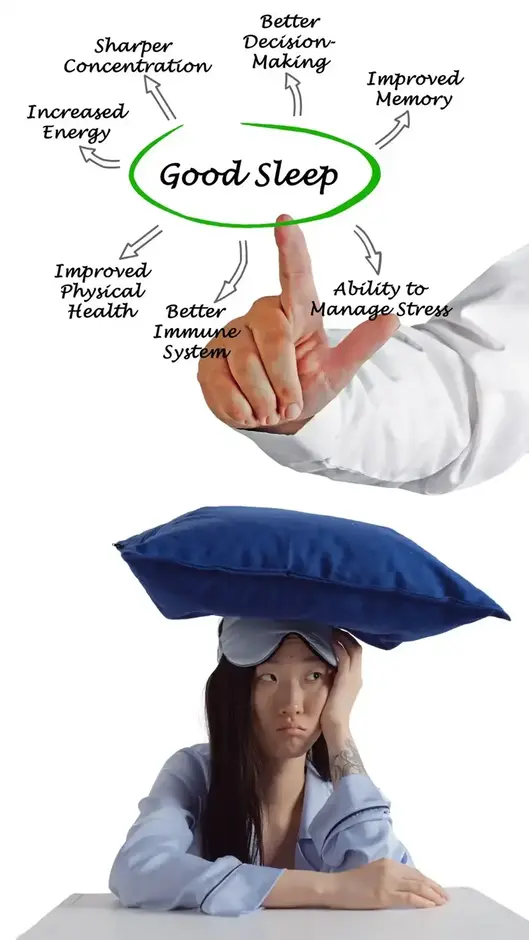
Lack of sleep creates noticeable changes in appearance, particularly around the eyes. Studies indicate that individuals getting less than seven hours of sleep display increased puffiness, dark circles, and a generally tired appearance. Dr. Ebru notes that insufficient sleep affects the skin barrier function, leading to inflammation and reduced hydration.
The effects go beyond cosmetic concerns. CDC data shows that 35.3% of Americans sleep less than seven hours nightly, putting them at higher risk for serious health conditions. Those who chronically lack proper rest are three times more likely to catch a common cold compared to well-rested individuals.
The Circadian Rhythm and Its Importance in Beauty Sleep
Your body’s internal clock, known as the circadian rhythm, works on a 24-hour cycle that influences sleep-wake patterns and skin cell regeneration. This biological timing system responds primarily to light and darkness, directing various physiological processes including hormone production and cell repair.
“Many of the restorative capabilities our skin has are achieved during our night sleep, since cells regenerate quicker at during our sleep at night,” explains Dr Ebru. During normal circadian function, skin cell production nearly doubles at night, while blood flow to the skin increases.
When this natural rhythm becomes disrupted through irregular sleep patterns or nighttime light exposure, it affects the skin’s repair processes. Research shows that midnight-to-morning hours are when skin best absorbs active ingredients. Dr. Ebru notes, “A beauty sleep is legit because it supports skin’s reparative changes that occur at night.”
Setting consistent sleep and wake times helps maintain this natural rhythm, supporting optimal skin renewal and repair functions.
Quick Tips for Optimizing Sleep for Better Skin and Health
- Creating an optimal sleep environment starts with maintaining a consistent schedule.
- Set your bedroom temperature between 60-67°F (15-19°C) for optimal rest.
- Use blackout curtains or an eye mask to block light, which can interfere with melatonin production.
- A quality mattress and appropriate pillows support proper sleep posture.
- Limit caffeine and alcohol consumption, especially in the evening hours, as these substances can disrupt sleep quality and affect skin hydration levels.
Conquer The Power of Beauty Sleep: A Final Wake-Up Call
The science is clear: beauty sleep isn’t just an old wives’ tale but a fundamental pillar of both health and appearance. When we prioritize quality sleep, we’re not just investing in our immediate well-being; we’re supporting our body’s natural regenerative processes that contribute to long-term skin health, immune function, and overall vitality.
Making sleep a priority isn’t vanity – it’s a crucial aspect of self-care that pays dividends in both how we look and feel. By understanding and respecting our body’s need for proper rest, we can harness the transformative power of beauty sleep to enhance our natural radiance and maintain optimal health.
Frequently Asked Questions
Lack of sleep disrupts collagen production and cell turnover, often leading to dryness, dullness, and issues like dark circles or puffiness around the eyes.
Q2: What is “beauty sleep” and why is it important?
“Beauty sleep” refers to quality rest that allows the skin’s repair processes—such as collagen synthesis and barrier recovery—to function at peak levels, promoting a brighter and more youthful complexion.
Q3: Can improved sleep help reduce skin inflammaging?
Yes. Consistent, restful sleep lowers stress hormone levels and supports the immune system, which helps reduce chronic inflammation, or “inflammaging,” that contributes to premature aging.
Q4: How many hours of sleep do I need for healthier skin?
Experts typically recommend seven to nine hours per night, giving your skin ample time for cellular repair, immune support, and barrier restoration.
Q5: Does good sleep really strengthen the immune system?
Absolutely. Adequate rest supports cytokine production and T-cell activity, both of which help protect against infections and aid skin recovery from daily stressors.
Q6: What does bad sleep do to you?
Chronic insufficient sleep affects concentration, mood, and immune function, which can lead to fatigue, irritability, and skin-related issues such as dullness or breakouts.
Q7: How do you fix poor sleep?
Improving sleep hygiene—such as setting a regular bedtime, reducing screen time, and avoiding caffeine late in the day—can significantly enhance sleep quality.
Q8: How to recover from a bad night’s sleep?
A short nap, hydration, light exercise, and natural daylight can help reset your body’s rhythm. Prioritizing an earlier bedtime the next night also aids in full recovery.
Q9: How to survive on 3 hours of sleep? People also ask
Consistently sleeping only three hours is not recommended. If unavoidable for one night, short power naps and staying hydrated can help you remain alert temporarily, but aim to return to a healthier sleep schedule as soon as possible.
Q10: Does bad sleep affect skin?
Yes. Poor sleep can lead to reduced collagen synthesis, puffiness, increased dryness, dark under-eye circles, and a generally fatigued complexion.
Q11: What are the 5 stages of sleep deprivation?
They typically range from mild daytime drowsiness and irritability to more severe cognitive impairment, mood swings, and in extreme cases hallucinations or microsleeps.
Q12: How to heal from sleep deprivation?
Gradually restoring a consistent sleep schedule is key. Aim to get 7–9 hours of quality sleep, manage stress, and address any underlying lifestyle or medical issues.
Q13: How to fix poor sleep hygiene?
Establish a regular bedtime routine, reduce light and noise in the bedroom, and avoid stimulants before bedtime. Consistency is crucial for forming better sleep habits.
Q14: Can lack of sleep cause skin sensitivity?
Yes. Insufficient sleep can weaken the skin barrier, increasing the likelihood of redness, inflammation, and heightened sensitivity.
Q15: What should I put on my face when I sleep?
A gentle, nourishing moisturizer or overnight mask helps lock in hydration and support skin repair while you rest. Consider a deeply hydrating cream like Ageless Perfection Cream for intensive overnight treatment, or Eye Concentrate specifically formulated for the delicate eye area.
Q16: What skincare is good for sleep deprived skin?
Formulas rich in antioxidants and hydrating agents (like hyaluronic acid or ceramides) can revive tired skin, replenish moisture, and protect the skin barrier. For example, Micro Algae Immun B3 Serum offers potent revitalizing benefits, while the Facial Oil can help seal in hydration overnight.
Q17: What is a good nighttime skincare routine?
Start with a gentle cleanse, followed by targeted serums for hydration or brightening, then apply a nourishing moisturizer.
For extra nourishment, add a few drops of Facial Oil. Lastly, address the delicate eye area with an Eye Concentrate for targeted care.
Molecular Immunologist & Skincare Expert
As an Immunologist trained in Molecular Medicine and as an expert in skin care and cosmetic chemistry, Dr. Ebru Karpuzoglu has spent +20 years researching skin, impact of hormones on the immune system sharing her findings in international publications with her audience, and building an award-winning line of products. Trusted by scientists, doctors, editors, bloggers, celebrities and skincare lovers around the world, her deep real-world knowledge and research are invested in every drop of AveSeena.