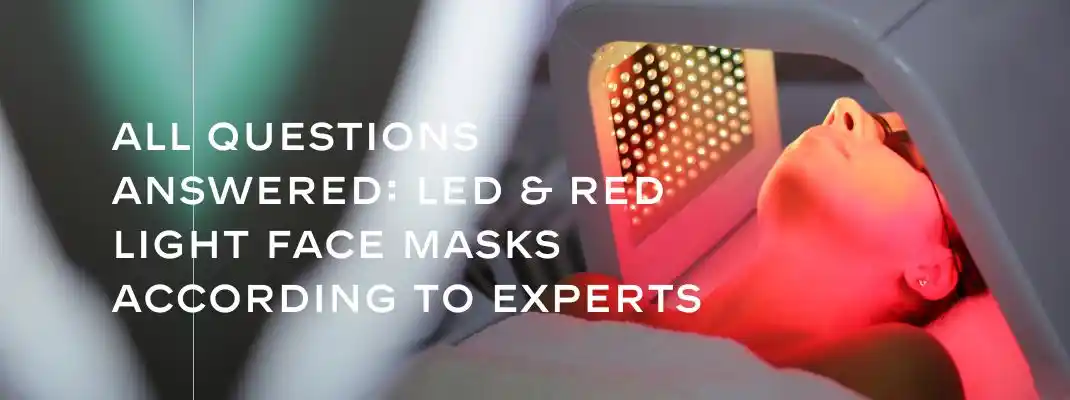
With the best LED face mask, you can effectively treat an array of skin conditions such as wrinkles, acne, fine lines, dark spots, and more. These futuristic devices are some of the most convenient, hands-free treatments on the market. Experts say that light therapy treatments, whether via a comfortable silicone mask or targeted spot device, work well in tandem with your ongoing skincare routine. But how exactly does this technology work, and is it right for you?
We delve into the science, benefits, and expert insights to help you unlock the potential of LED light therapy and why you need to protect your skin from UV following this therapy for healthier, more radiant skin.
What is LED Light Therapy?
LED stands for light-emitting diode, a light source that shines on (and penetrates into) the skin. Light-emitting diodes are not just light sources but semiconductors that emit specific wavelengths of light, triggering biological processes within the skin. Unlike traditional light bulbs, which primarily emit heat, LEDs generate photons that target specific chromophores in the skin. By doing so, they stimulate cellular changes, such as increasing collagen production, reducing inflammation, and combating acne-causing bacteria.
How it works and how much it works are related to the target indication, wavelength of light used (affects depth of penetration and action), how much power the light source has, and how long (duration) the light is used on the skin. Recent studies published in the International Journal of Molecular Sciences highlight that red and near-infrared LEDs improve cellular energy (ATP) and fibroblast activity, which are crucial for collagen synthesis and repair. Additionally, the findings emphasize the role of light therapy in mitigating oxidative stress and supporting skin rejuvenation.
What Color Light Therapy Do You Need?
Choose the light therapy color based on your desired results. For example, someone with acne-prone skin might consider adding bacteria-killing blue-light therapy into their blemish-fighting skincare routine, which would already include steps like cleansing, toning, and using acne-fighting serums formulated with retinol or AHAs/BHAs. Below are the benefits of the most popular light therapy wavelengths:
- Red Light: Stimulates collagen production, reduces inflammation, and smooths wrinkles.
- Yellow Light: Reduces redness, inflammation, and irritation. It also boosts cellular energy (ATP) and fibroblast activity, improving skin elasticity.
- Blue Light: Targets acne-causing bacteria with its anti-bacterial and anti-inflammatory properties.
- Infrared Light: Penetrates deeply to enhance circulation and wound healing.
- Green Light: Reduces pigmentation and dark spots while improving overall skin tone.
Dr. Kevin Huffman shares, “Red light therapy has become famous for its allegedly smoothing effects on wrinkles, fine lines, and texture. The theory is that red wavelengths of light trigger collagen production, but research is ongoing.”
Jean Christophe Gabler adds, “Synergy between wavelengths often amplifies the skin’s healing and rejuvenation process, making dual-LED therapies more impactful.”

Are LED Face Masks Effective?
Yes, LED face masks are effective when used consistently. They are designed to emit specific wavelengths of light that penetrate the skin to treat various concerns. Dr. Huffman explains, “LED face masks can be used in the comfort of your own home. These masks usually contain red light wavelengths and can easily be incorporated into your routine.”
However, results take time. As Jean Christophe Gabler notes, “If one keeps using it, most people will feel better about themselves in 4 to 12 weeks. The wait was worthwhile.”
Studies referenced in Photomedicine and Laser Surgery show that red light therapy not only slows aging but also increases skin flexibility. This is supported by findings from a study available on PubMed, which highlights the potential of red light therapy to improve dermal thickness and elasticity, although further research is needed to validate these benefits across different populations.
The treatment works through different wavelengths of LED light to penetrate the skin at different depths to effectively combat acne, inflammation, swelling, signs of aging, collagen production, and even minor wounds. Keep in mind that these work best to supplement a well-rounded routine of in-office treatments, a thorough skincare routine, and consistent use.

Signs of Inflammaging and How LED Light Therapy Can Help
Inflammaging, a term combining inflammation and aging, describes the low-grade chronic inflammation that accelerates skin aging. This condition is often triggered by environmental stressors like UV radiation, pollution, and lifestyle factors such as poor diet and stress. Signs of inflammaging include loss of elasticity, fine lines, redness, and uneven skin tone.
LED light therapy, particularly red and near-infrared wavelengths, has shown promise in combating inflammaging by promoting collagen synthesis, reducing inflammation, and boosting skin’s natural repair processes. Studies published in the International Journal of Molecular Sciences highlight how these wavelengths improve mitochondrial function and cellular energy production, both of which are critical for skin regeneration and resilience.
Dr. Ebru Karpuzoglu explains, “LED light therapy offers a scientifically-backed approach to addressing inflammaging by enhancing cellular repair and reducing oxidative stress, which are key contributors to premature aging.”
Why You Still Need to Protect Your Skin Against UV
While LED light therapy can significantly enhance skin health, it does not replace the need for UV protection. Prolonged exposure to UV rays remains one of the primary causes of skin damage and aging, including the exacerbation of inflammaging. It’s essential to incorporate a high-SPF sunscreen into your routine and reapply it throughout the day to shield your skin from harmful rays.
For added protection, consider using tools like the UVShield Facial Analyzer System to evaluate the effectiveness of your sunscreen and monitor areas prone to sun damage. This device provides valuable insights into your skin’s condition, enabling you to make informed decisions about your UV defense strategy.
What is the Difference Between Red Light Therapy At-Home Versus an In-Office Treatment?
Professional in-office devices typically deliver higher energy outputs and more concentrated wavelengths, allowing for deeper penetration and potentially more efficient results in shorter treatment times. In-office treatments benefit from medical supervision and precise calibration of treatment parameters for each patient’s specific needs.
At-home devices, while more convenient and cost-effective for long-term use, generally have lower power outputs and may require longer or more frequent sessions to achieve similar results. Treatments at home can range from 10 to 30 minutes, whereas treatments in the office are shorter and can last 10-20 minutes. Red light therapy in the office tends to be more powerful, and results are much faster. However, there is a difference in cost—red light therapy at home tends to be more cost-effective than in-office treatments. Lower costs mean that more people can experience the benefits—a worthwhile trade-off in our perspective.
How to Use an LED Face Mask and Skincare Together?
Generally speaking, your chosen light therapy treatment should be used atop clean, dry skin.
Use the best face wash—we love the Gentle Gardenia Anti-Pollution Gel Cleanser—before you begin your light therapy treatment by following the instructions. Once complete, follow with Micro Algae Immun B3 Serum, your Supreme Eye Contour Concentrate, and barrier-strengthening face cream like Ageless Perfection Cream.
Meet the Experts


Jean Christophe Gabler, Publisher & Founder, YOGI TIMES

References
International Journal of Molecular Sciences – “Effects of Red and Near-Infrared Light on Skin Health and Repair”
Photomedicine and Laser Surgery – “The Role of LED Light Therapy in Combating Aging and Skin Damage”
PubMed – “Dermal Benefits of Red Light Therapy and its Mechanisms”
By Nina Belgin